Ghana, Benin and Nigeria Lead Major Regional Project to Advance Climate-Resilient Fisheries Governance and Sustainable Marine Resource Management
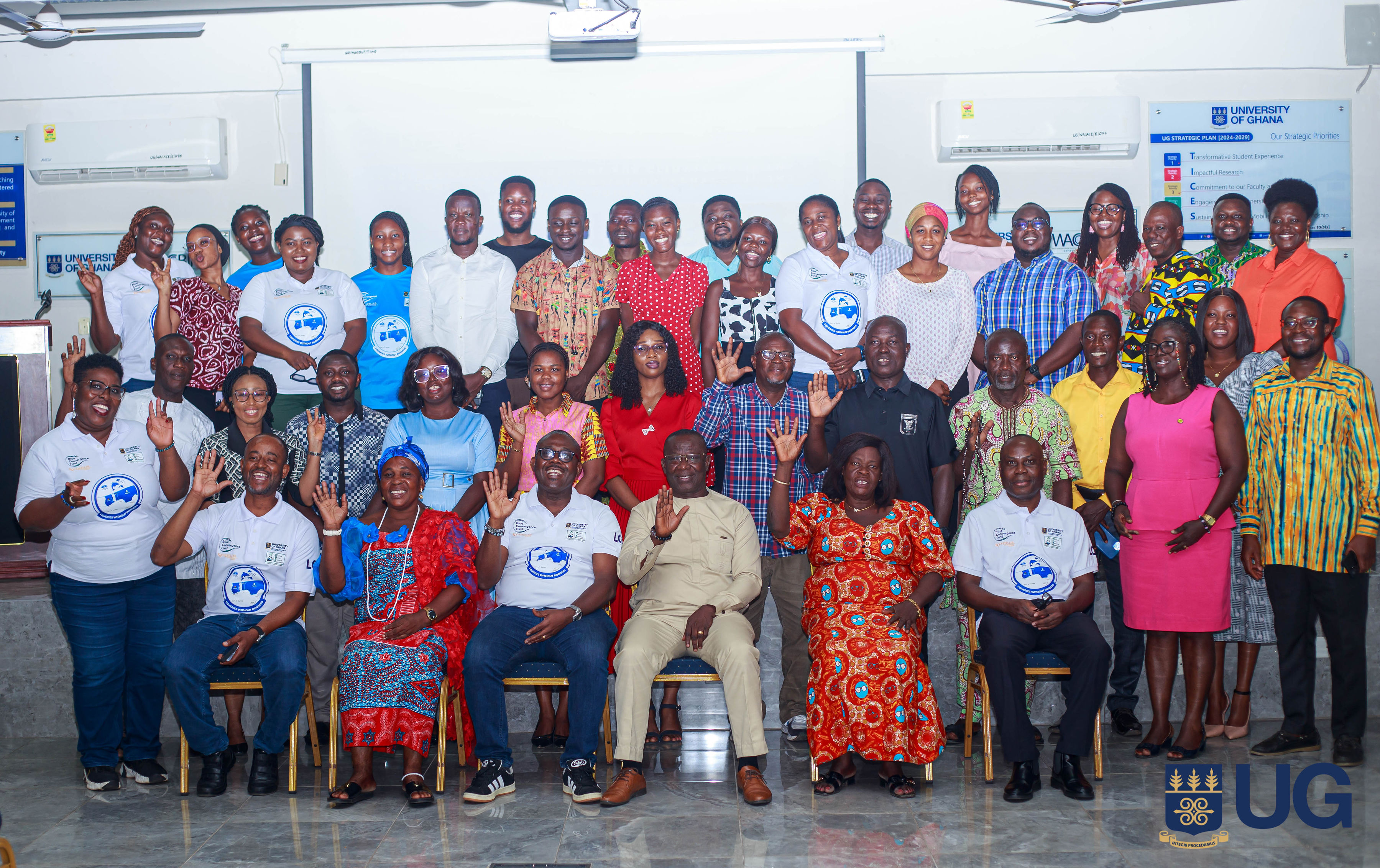
A new collaborative project in Ghana, Benin and Nigeria has kicked off with the goal of strengthening climate-resilient fisheries governance and promoting sustainable marine resource management across the Gulf of Guinea.
The project, a major regional initiative funded by the Blue Convergence Fund through Rockefeller Philanthropy Advisors, seeks to address climate variability, declining fish stocks and governance challenges affecting coastal communities in the sub-region.
Dubbed Fisheries Without Borders (FWB), the project is led by Dr. Toyosi Igejongbo, a Lecturer at the Federal University of Technology, Akure (FUTA), with Professor Francis Kofi Ewusie Nunoo of the Department of Marine and Fisheries Sciences, University of Ghana, serving as Ghana Country Lead.
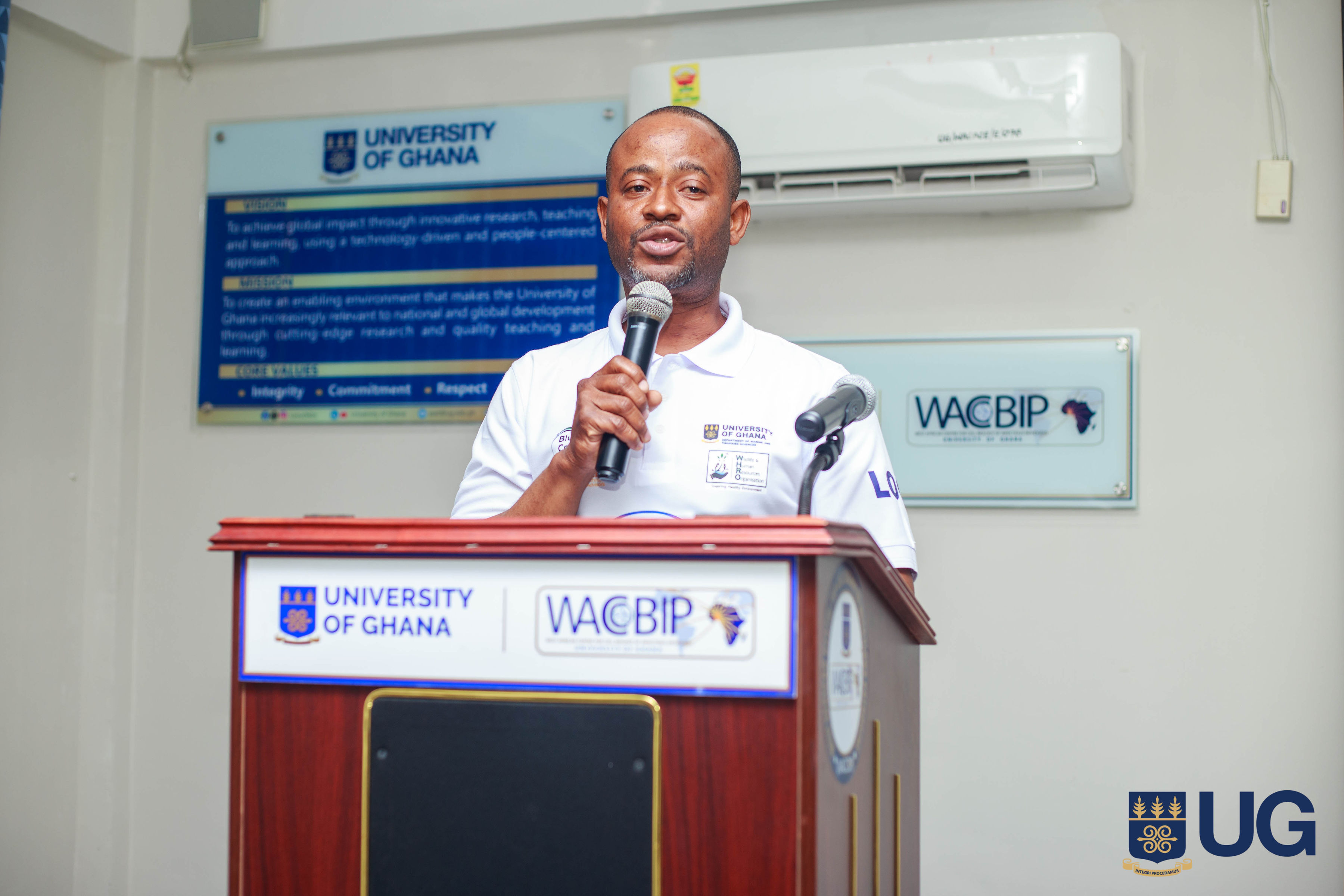
At the Ghana-level launch and local policy dialogue hosted by the Department of Marine and Fisheries Sciences at the University of Ghana, Professor Nunoo delivered a project overview presentation, explaining that the initiative was borne out of concerns over climate variability across coastal communities, declining fish stocks and governance gaps in fisheries decision-making processes. He emphasised the need to integrate the voices of young people and women into ocean governance.
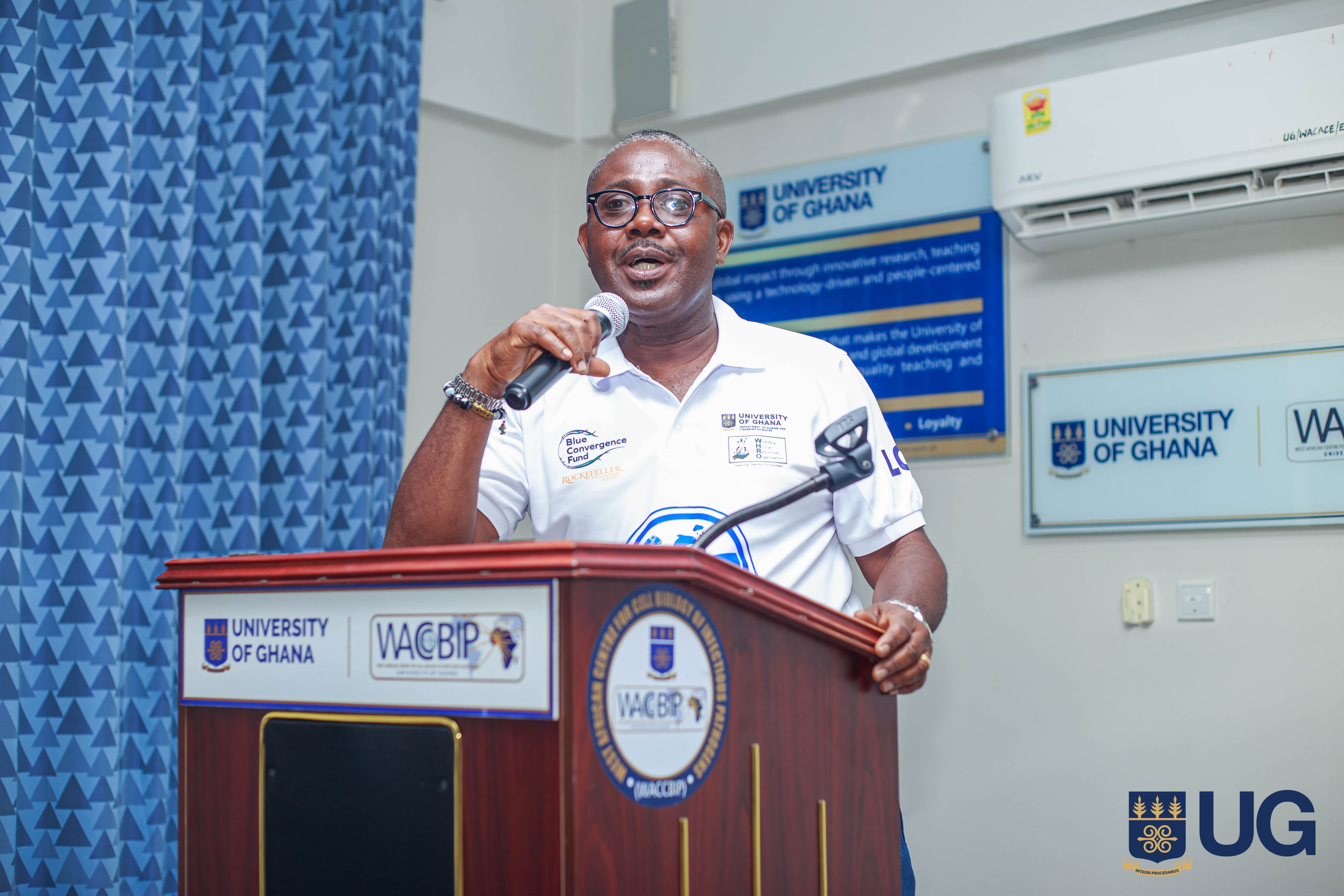
He further highlighted the transboundary nature of the Gulf of Guinea, noting that the shared marine resource requires coordinated approaches across countries. According to him, the project’s multi-country design will help map out clear and shared governance frameworks while introducing climate-resilient fisheries practices to respond to changing ocean conditions.
The Fisheries Without Borders will focus on experience sharing, policy dialogue, documentation of traditional ecological knowledge, as well as training and capacity building. It will engage key stakeholders including artisanal fisherfolk, women in fisheries, youth and industry regulators.
Expected outcomes include increased awareness, documentation and validation of local knowledge, stronger stakeholder relationships, policy inputs and regional synthesis to support improved fisheries governance across the sub-region.
In his address, Dr. Benjamin Osei Botwe, Head of the Department of Marine and Fisheries Sciences, University of Ghana, described the dialogue as a critical starting point for the project’s implementation.
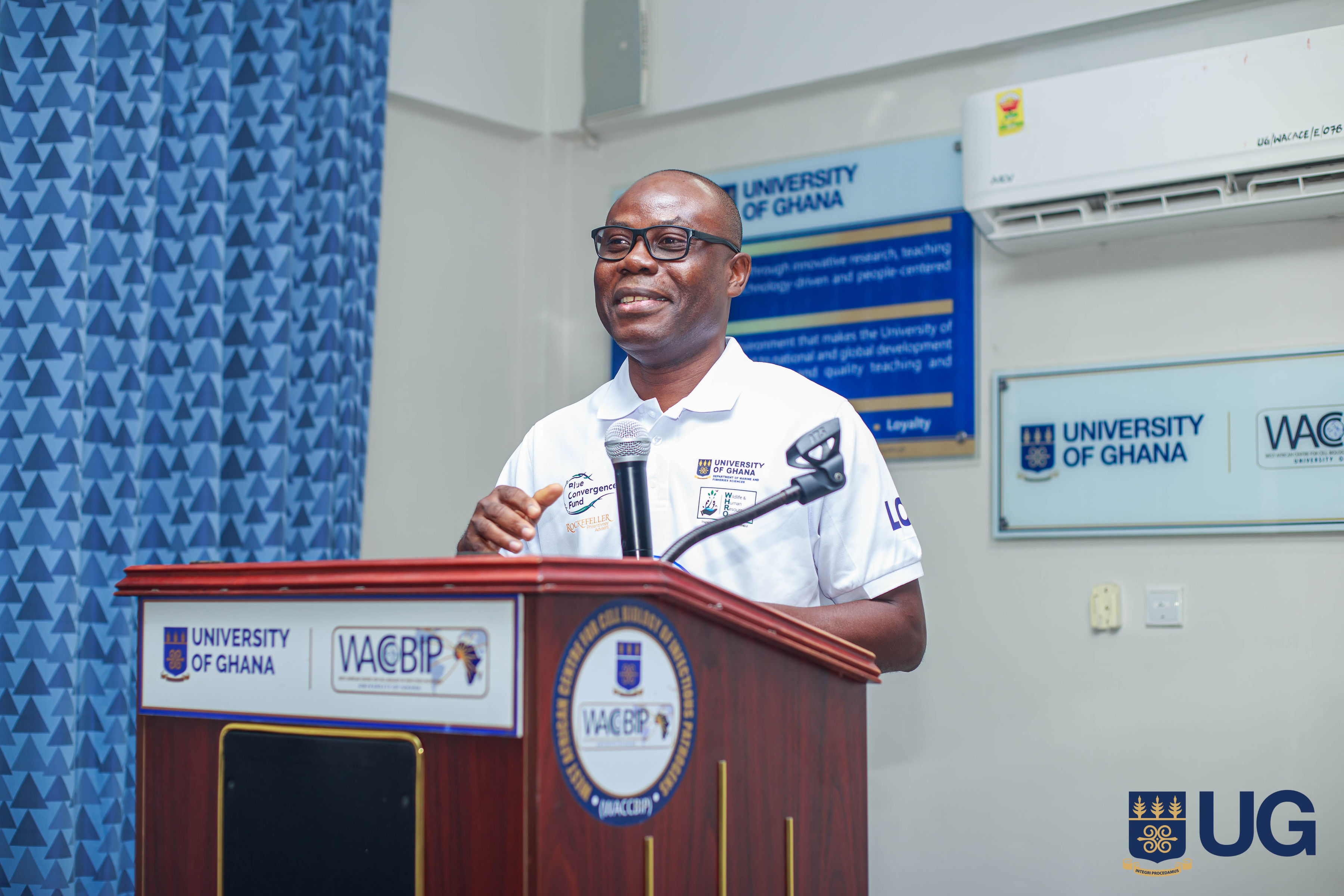
He noted that fisherfolk and coastal communities are central to both the challenges and solutions driving the initiative and expressed appreciation to participants for their willingness to contribute to the process.
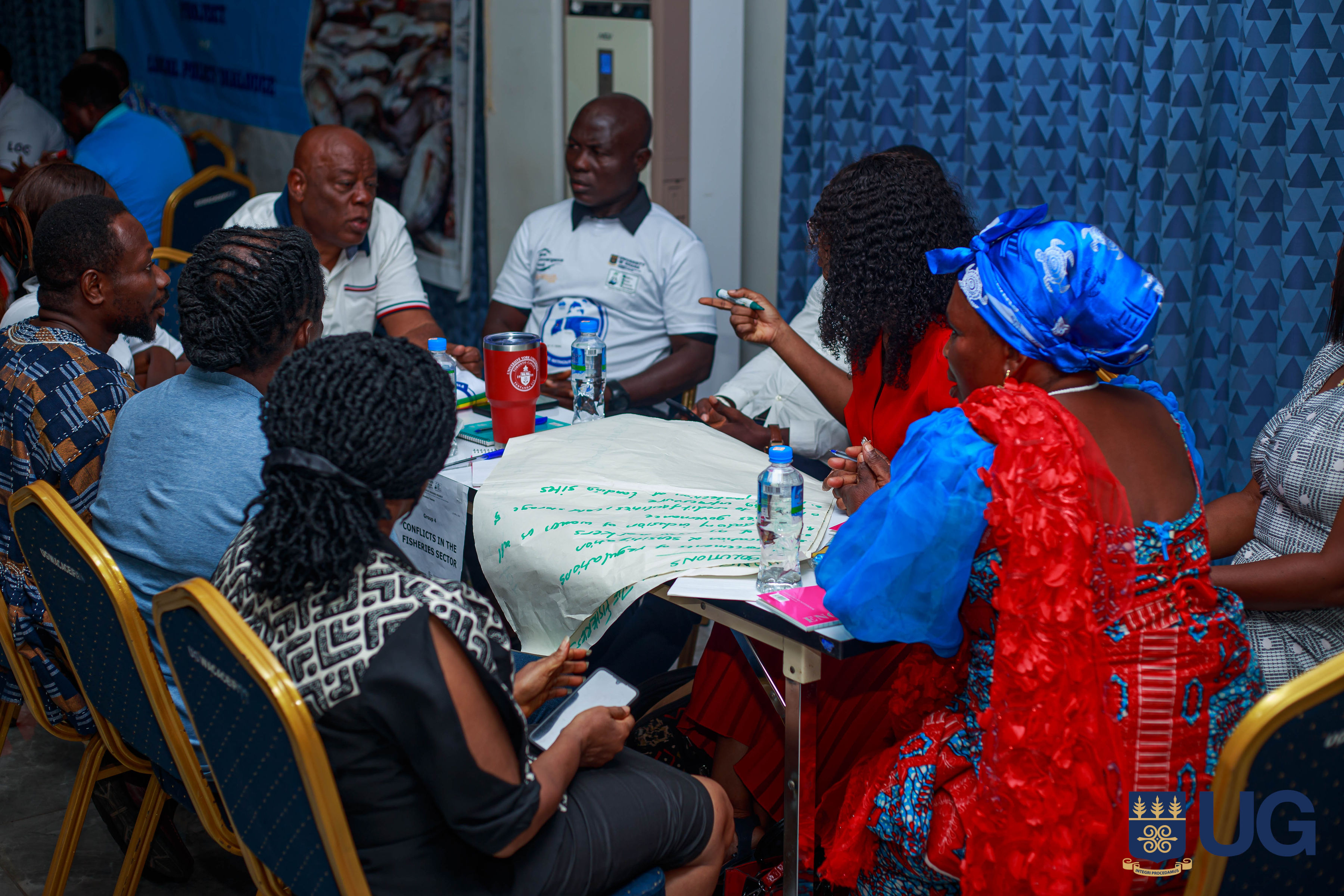
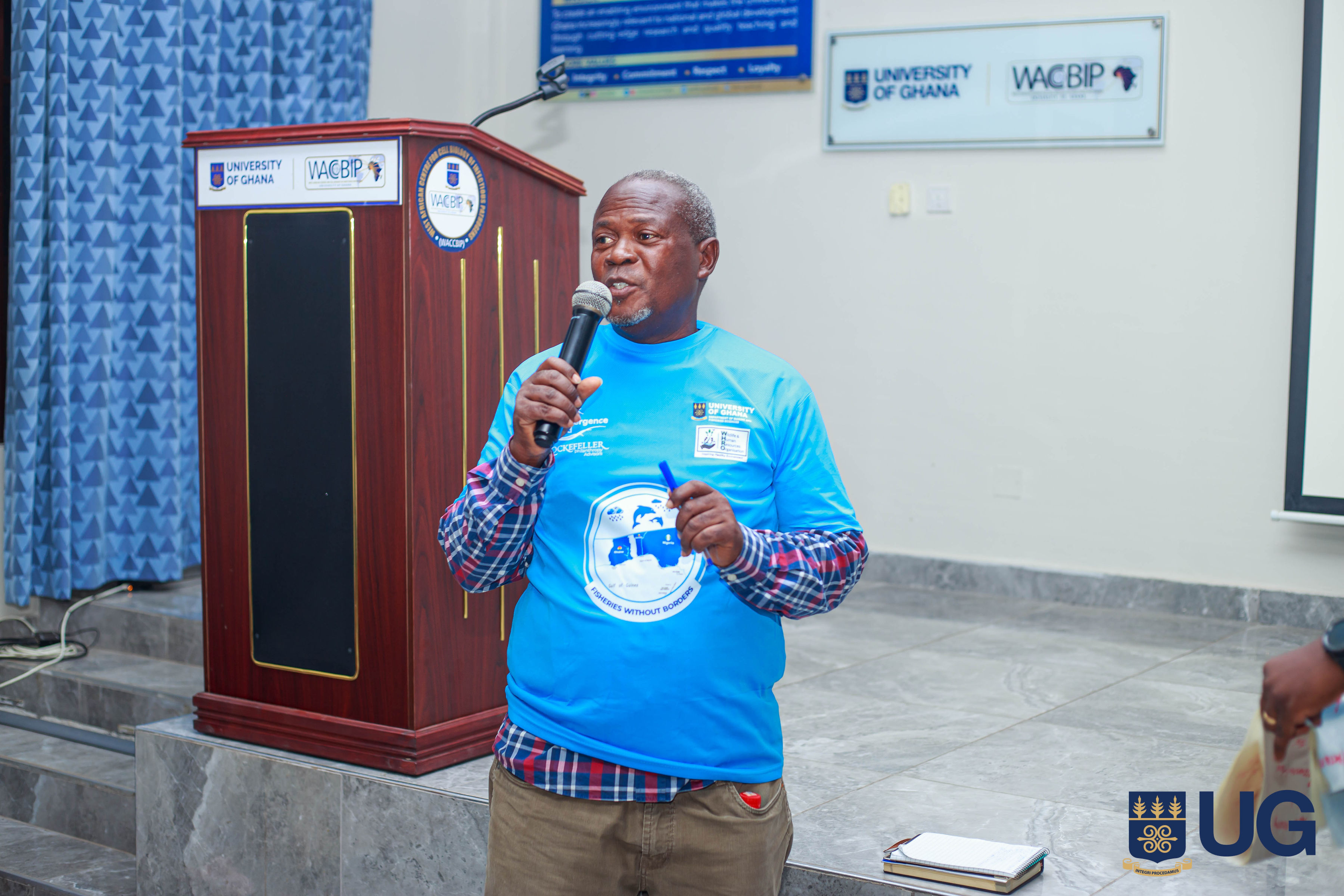
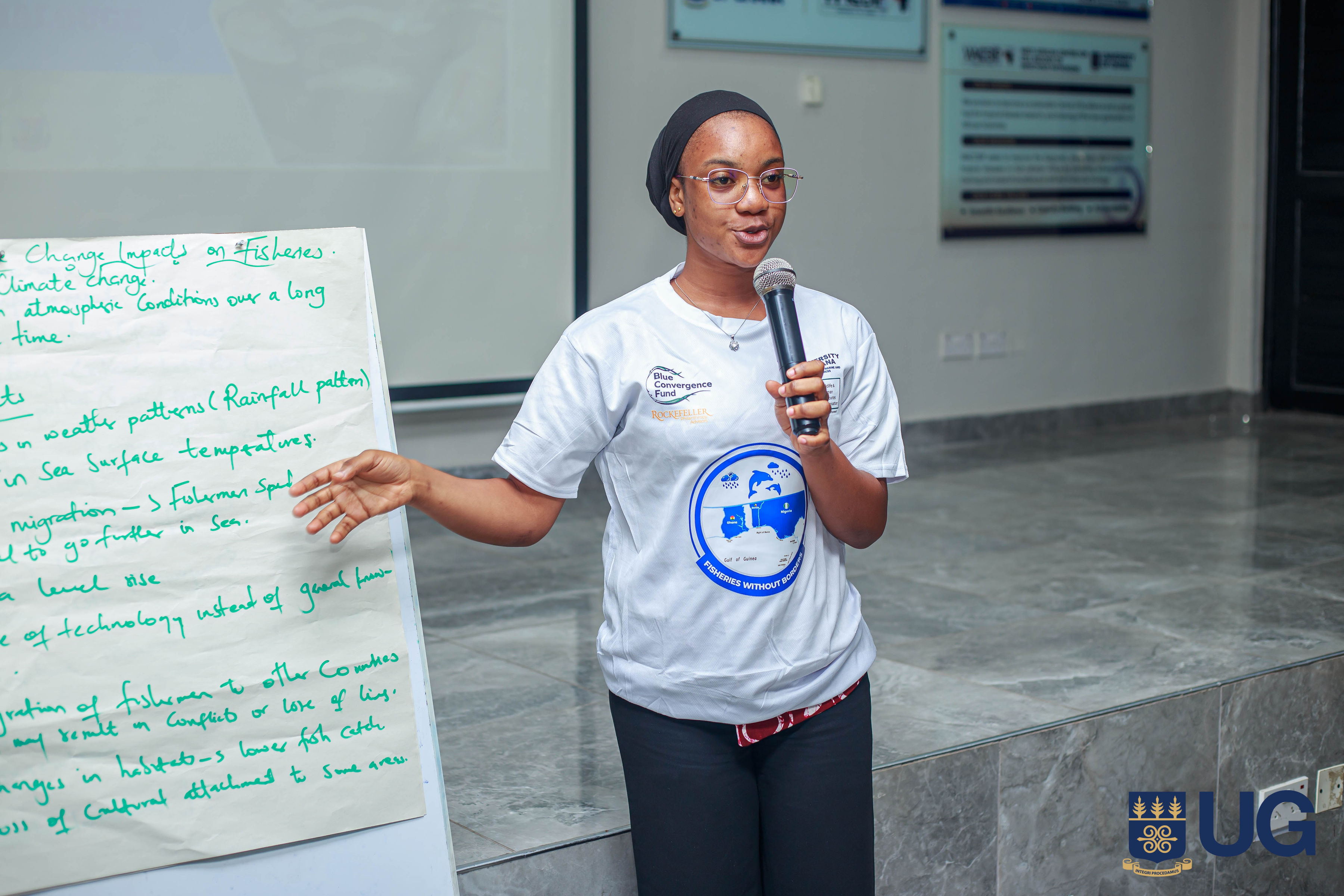
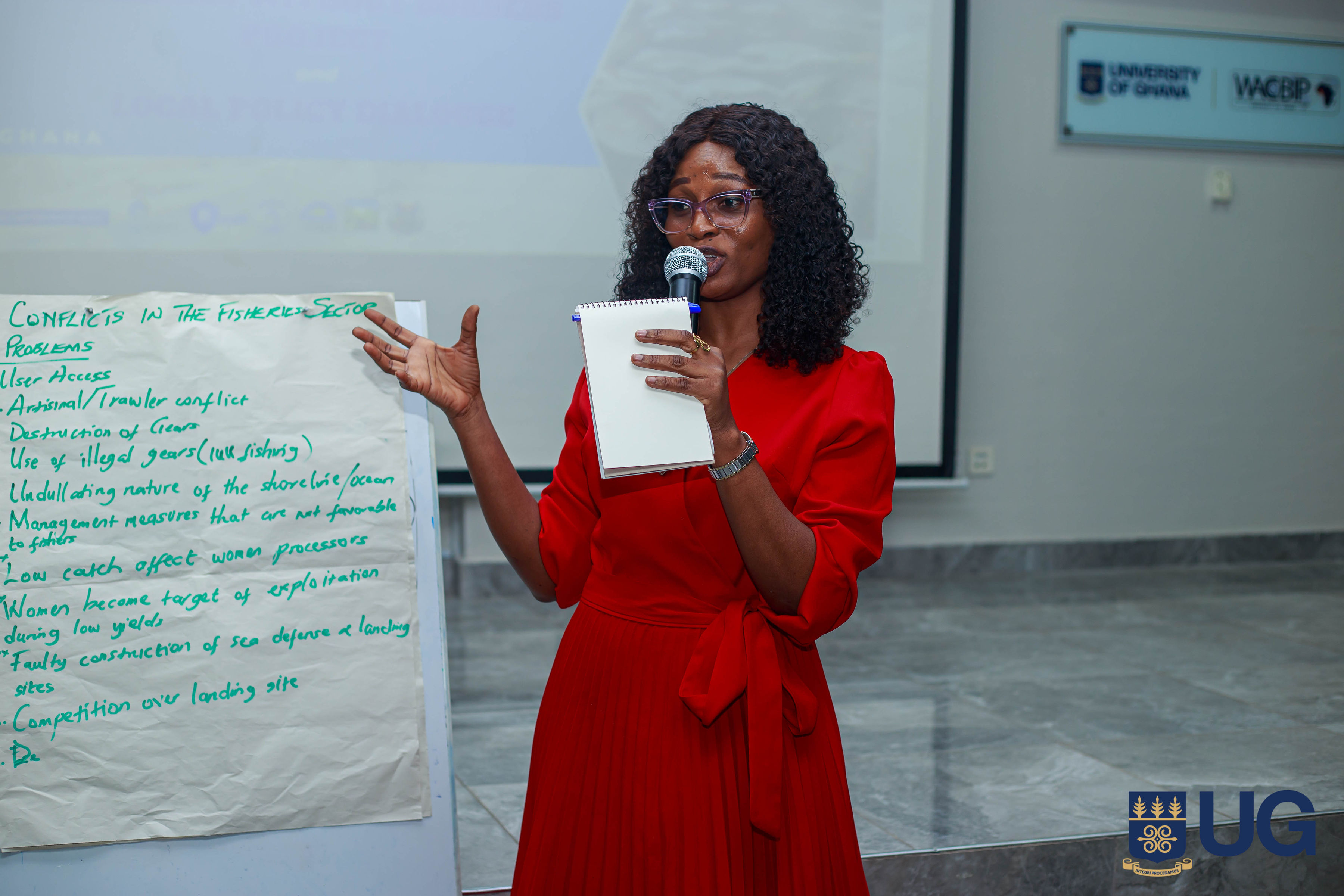
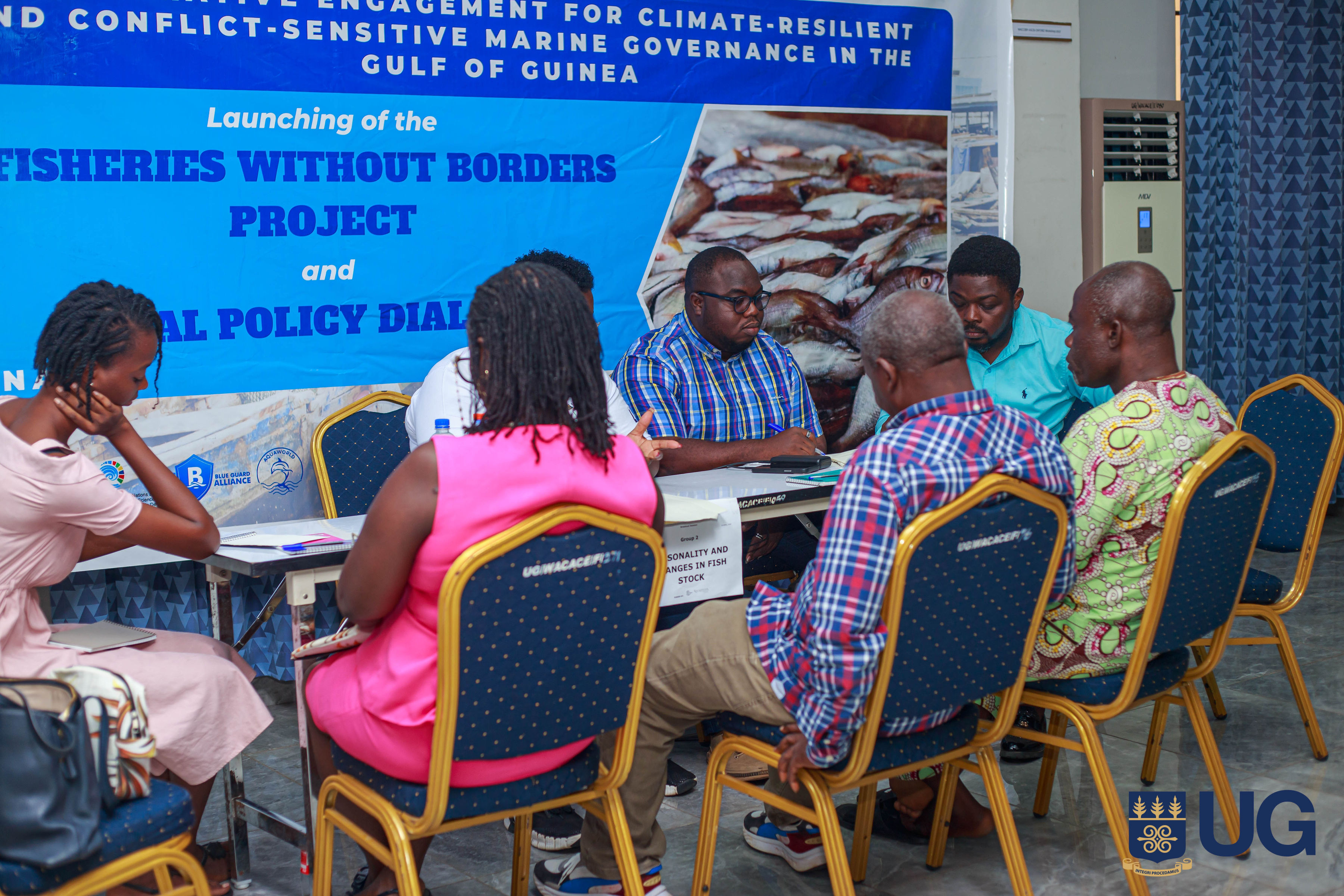
The dialogue featured solidarity messages from representatives of the Fisheries Committee for the West Central Gulf of Guinea, the Fisheries Commission, the Office of the President, as well as project teams from Nigeria and Benin. Participants also engaged in breakout sessions on key thematic areas, including seasonality and changes in fish stock, climate change impacts on fisheries, local governance and enforcement and conflicts within the fisheries sector.
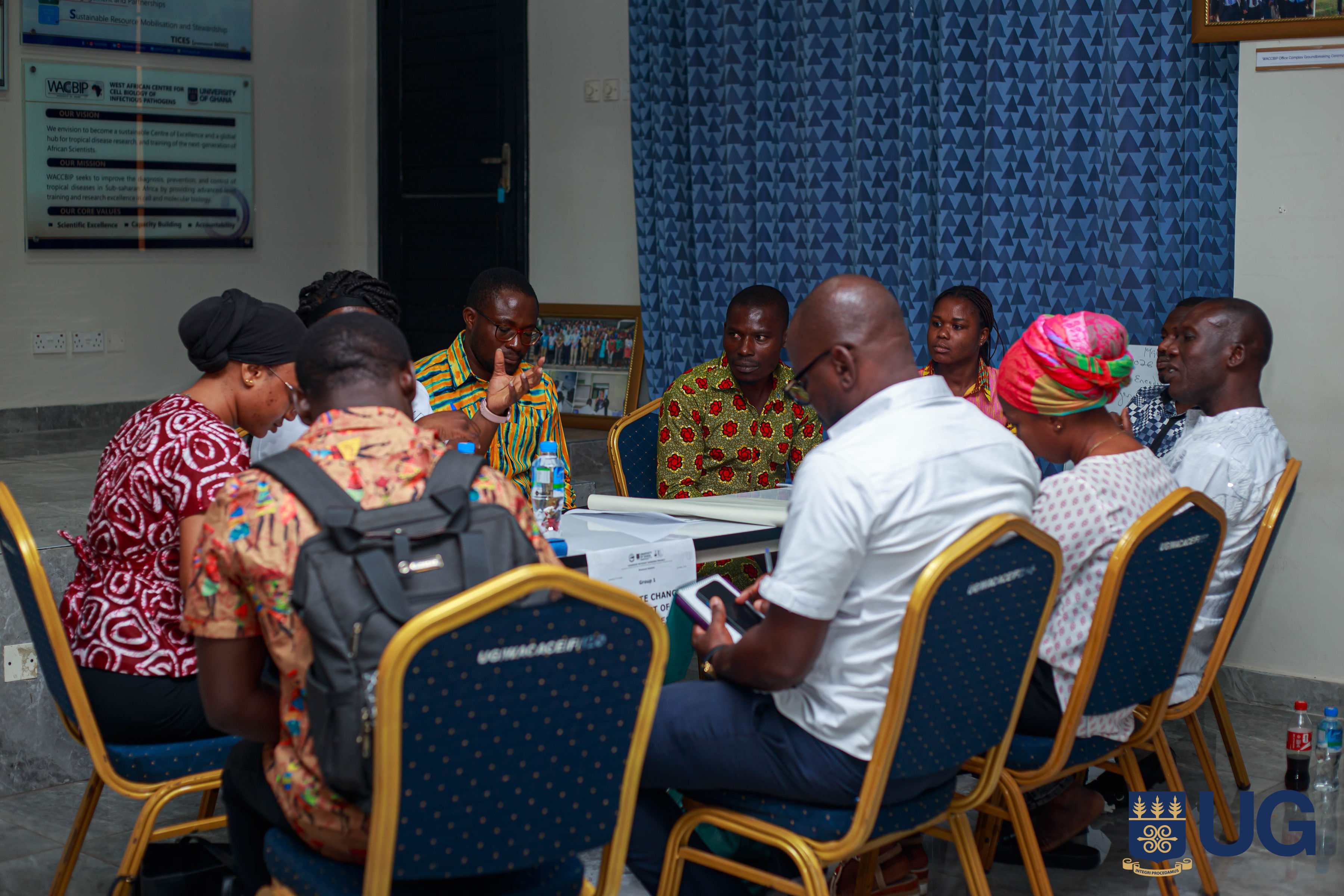
Facilitators for the breakout sessions included Dr. Angela Lamptey, Dr. Winnie Naa Sowah, Dr. Eunice Konadu Asamoah and Nana Jojo Solomon, who guided discussions aimed at generating community-informed insights for policy development.
The project brings together a network of collaborators, including the University of Ghana and the Wildlife and Human Resources organisations, alongside regional experts such as Dr. Adesola Ogunrayi, Dr. Pèlèbè Edéya Orobiyi Rodrigue, Professor Olamide Olaronke Olawusi-Peters, Mr. Eweola Paul and Mr. Edwin Mwashinga.
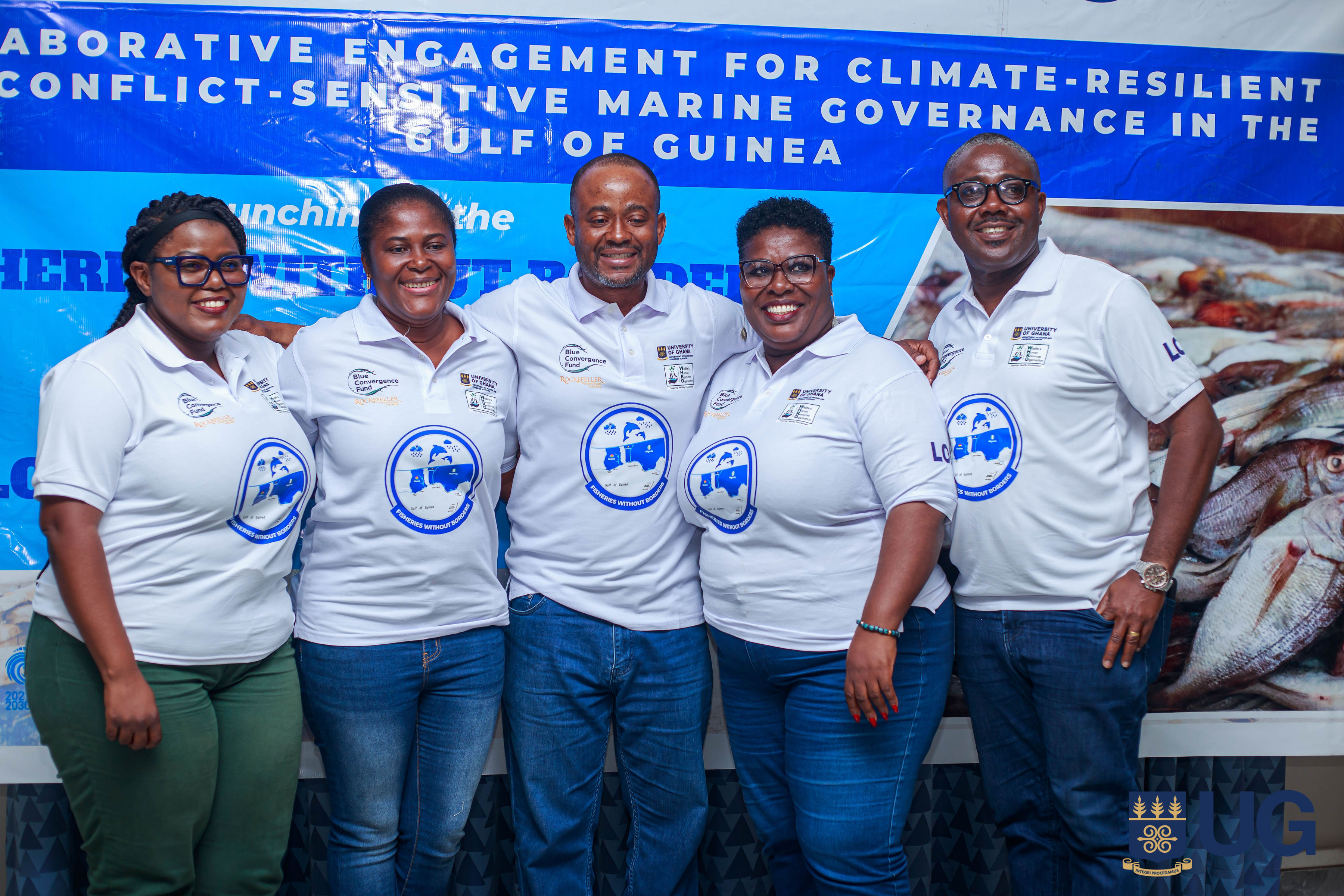
The Fisheries Without Borders Project is expected to enhance evidence-based policymaking and build resilience in coastal and marine fisheries systems across West Africa by integrating scientific research with traditional knowledge systems and strengthening regional cooperation.