Ghana's Health Should Not Be in the Pocket of Donors – UG’s Professor Dayie
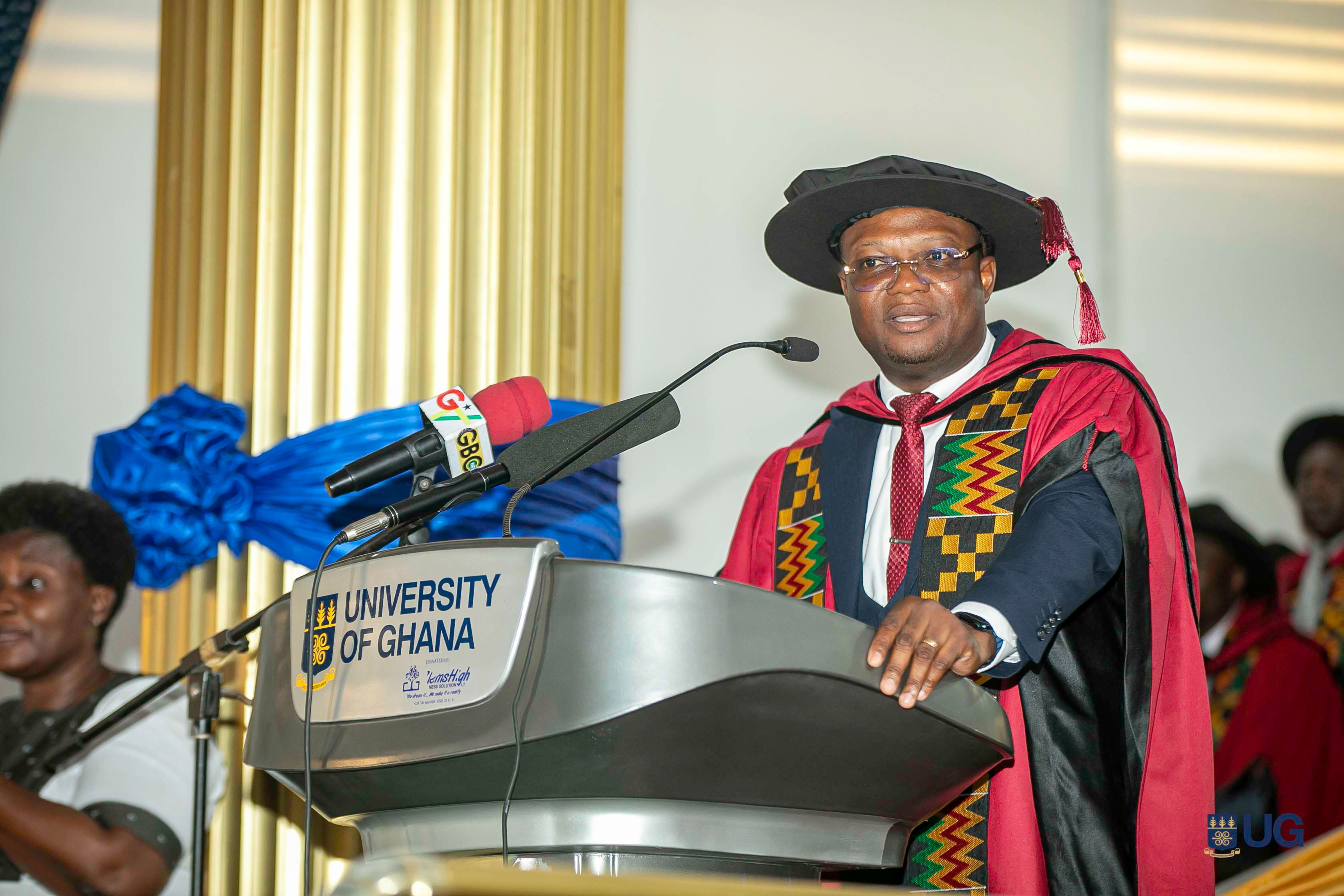
A Professor of Medical Microbiology at the University of Ghana, Prof. Nicholas T.K.D. Dayie, has cautioned that Ghana must take firm steps to finance and sustain its own health systems, particularly in the fight against antimicrobial resistance (AMR).
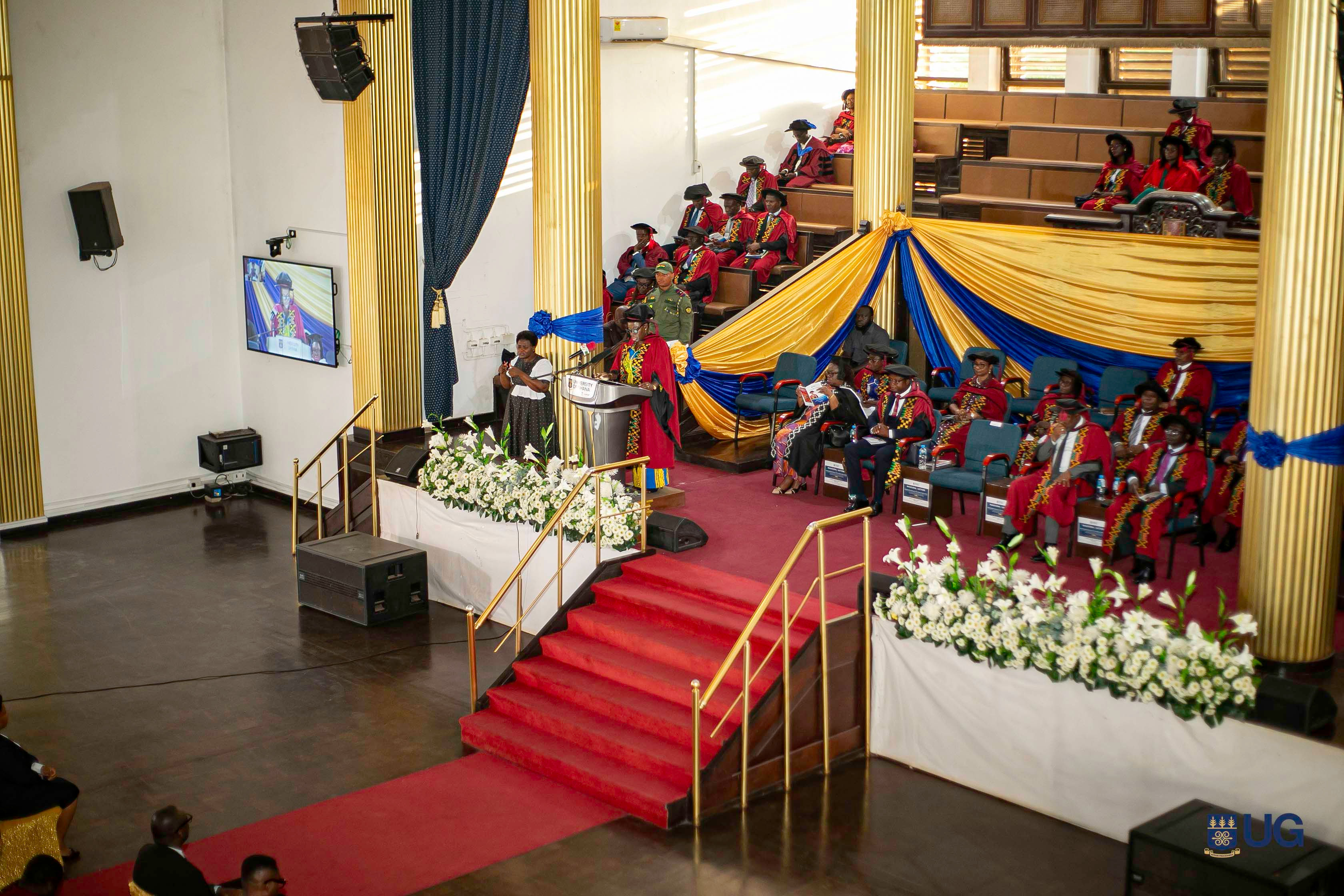
Delivering his inaugural lecture titled “When Microbes Speak and Data Appear Inconsistent, Are We Witnessing Falsehood or Truth?” at the Great Hall, Prof. Dayie stressed that over-reliance on external funding threatens the long-term stability of national health interventions.
He observed that while international partners, including initiatives such as the Fleming Fund, have contributed extensively to building surveillance systems, Ghana must now move beyond dependency. “The more important question is not whether we have started, but whether we can sustain and expand what we have built,” he indicated, warning that systems tied heavily to donor support remain vulnerable.

The lecture, which centred on antimicrobial resistance and the reliability of surveillance data, drew attention to the compounding challenges within the sector. Prof. Dayie explained that a major issue is the difficulty in distinguishing between true biological resistance and distortions introduced by weak health systems. According to him, inconsistent data may arise either from genuine microbial changes or from laboratory systems, testing methods and conditions that are not robust enough to capture the truth accurately.
He outlined three major sources of inconsistency in AMR data, including genuine microbial evolution, weaknesses in laboratory methods and quality systems and variations caused by testing conditions. These, he said, can lead to misleading conclusions, poor clinical decisions and ineffective national policies.
Prof. Dayie further warned that antimicrobial resistance is no longer just a laboratory concern but has become a major public health threat, with serious consequences for treatment outcomes, healthcare costs and mortality. He cited evidence showing that thousands of deaths in Ghana are linked to AMR, with a small number of highly resistant pathogens responsible for a disproportionate share of the burden.
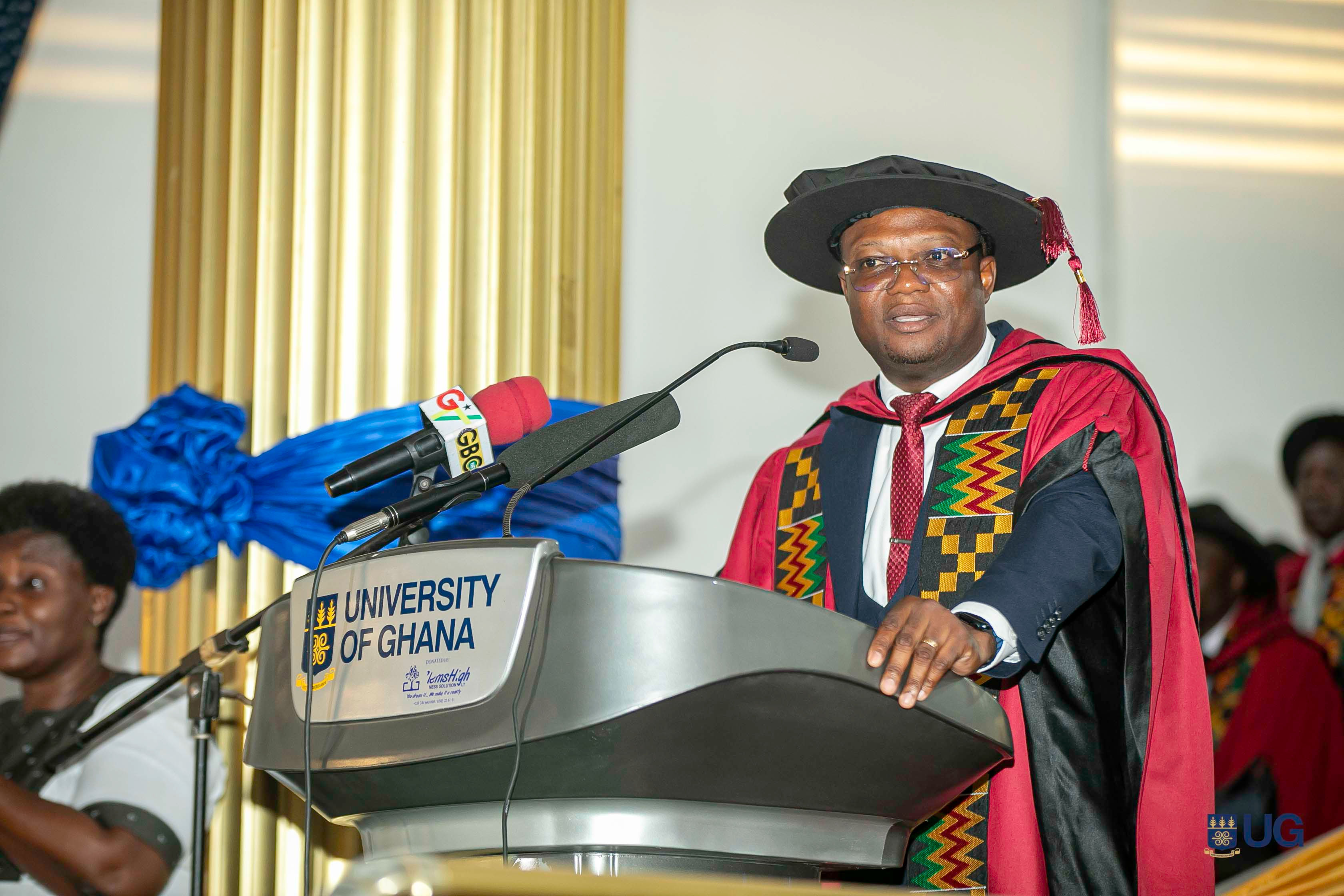
He also highlighted structural challenges in Ghana’s health system, noting that although thousands of laboratories exist, only a small percentage have the capacity to perform bacteriology testing. He explained that this means national AMR data are drawn from a limited base and may not fully reflect the true situation in the country.
Beyond infrastructure gaps, the Professor identified key drivers of resistance in Ghana, including self-medication, inappropriate antibiotic use, substandard medicines, weak regulation and the use of antibiotics in animal farming. He referenced longstanding global warnings about the misuse of antibiotics, noting that such practices continue to fuel resistance in Ghana today.
The lecture also pointed to emerging high-risk resistant bacterial strains in major hospitals, describing them as a serious warning signal that underscores the urgency of strengthening infection prevention and surveillance systems.
Despite these challenges, Prof. Dayie acknowledged gains made over the years, including the development of national AMR strategies, harmonised standard operating procedures, training programmes for laboratory personnel and the establishment of surveillance systems and data platforms.
However, he emphasised that sustaining these gains requires deliberate national investment. He called for expanded laboratory capacity, stronger quality assurance systems, improved data validation processes and continuous training of the next generation of scientists. He also stressed the need for deeper integration across human, animal and environmental health sectors under the One Health approach.
Central to his message was the need to “engineer truth” in AMR surveillance through strong detection systems, rigorous validation, coordinated integration and effective governance that translates data into policy action.
Prof. Dayie concluded that antimicrobial resistance surveillance must be built on credibility and sustainability, insisting that “surveillance is a scientific duty and a national responsibility” and that Ghana must ensure its health system is resilient, self-reliant and capable of responding effectively without overdependence on donor support.
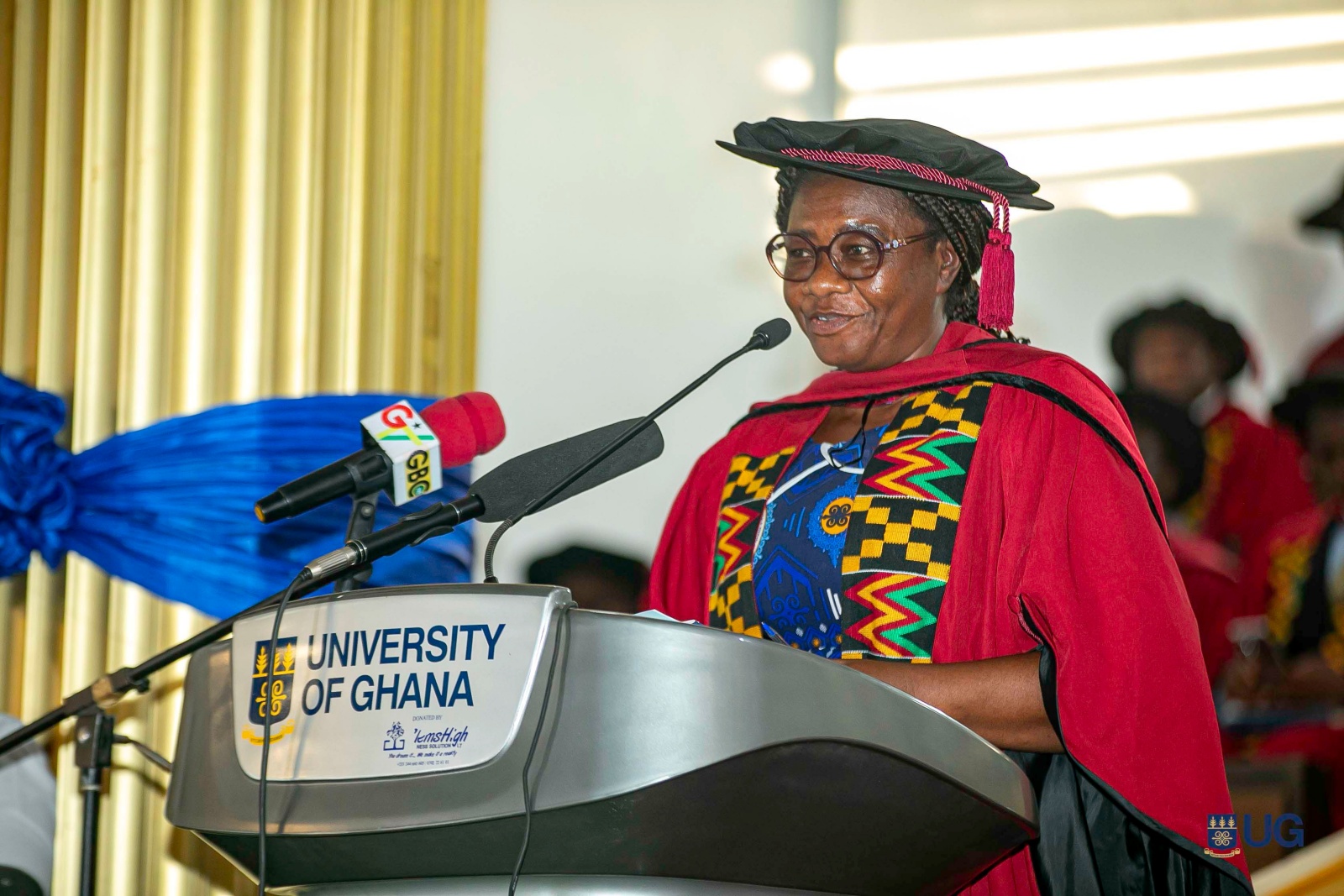
In her chairperson’s remarks, Vice-Chancellor Prof. Nana Aba Appiah Amfo eulogised Prof. Dayie for his nearly two decades of dedicated service to science, teaching and national health systems development. She described him as a distinguished scholar whose work continues to shape understanding and response to antimicrobial resistance in Ghana and beyond.
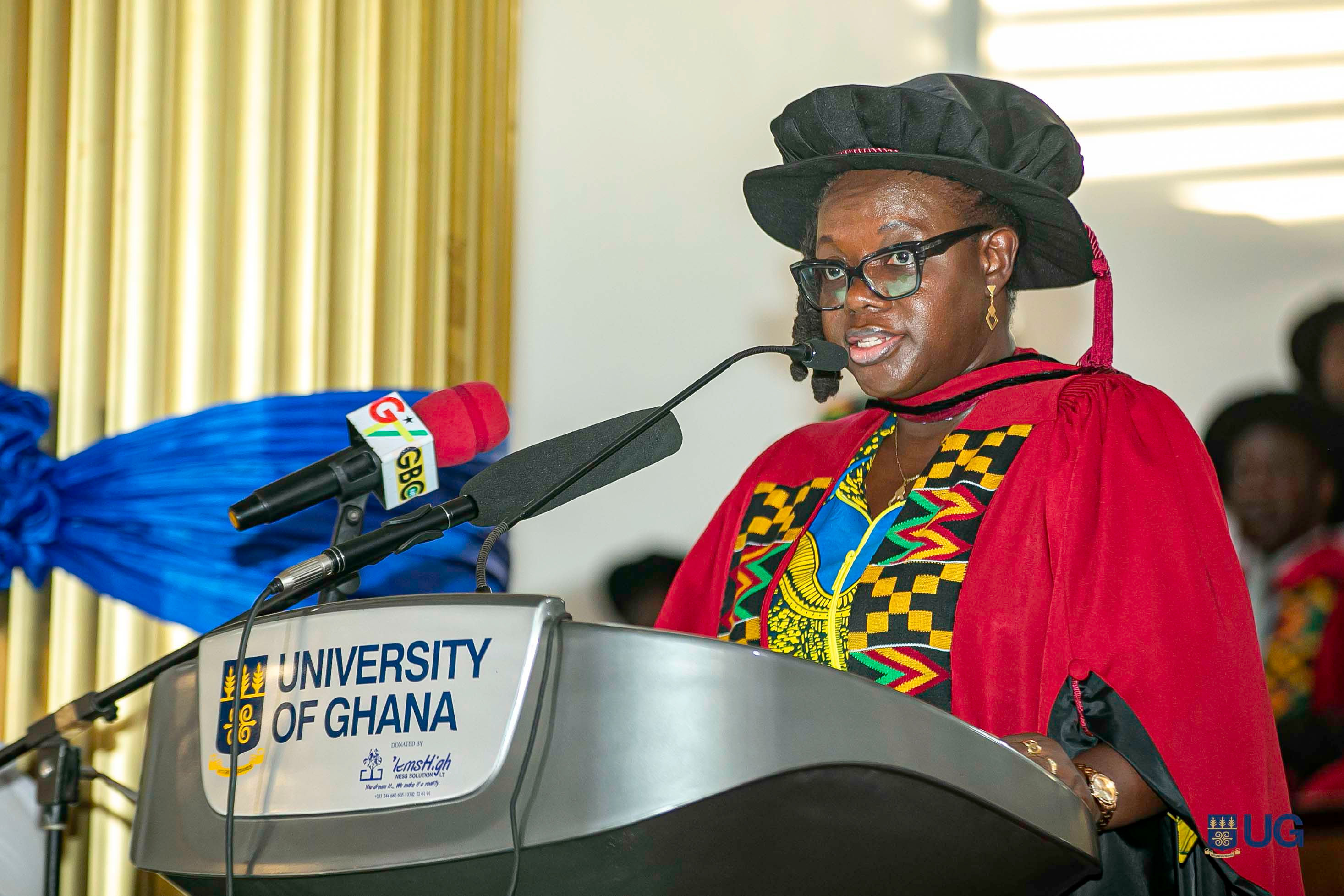
The Vice-Chancellor also commended his role in advancing laboratory quality systems and mentoring the next generation of scientists, noting that his work aligns strongly with the University’s vision of producing impactful research that addresses national and global challenges.
In her opening remarks, Registrar of the University, Mrs. Emelia Agyei-Mensah, explained that inaugural lectures are a long-standing academic tradition reserved for scholars who have distinguished themselves and attained the rank of full professor.
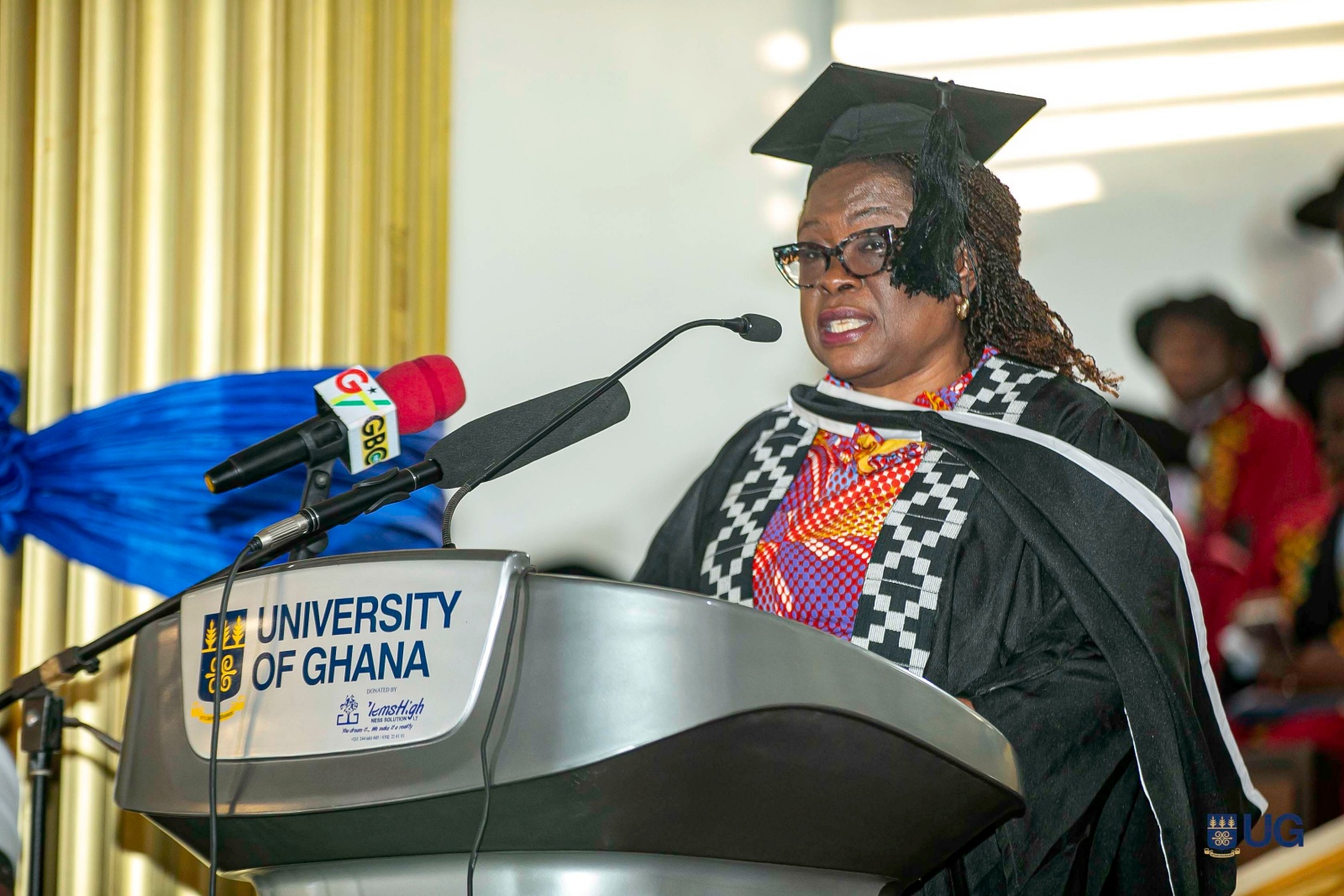
She lauded the illustrious career of Prof. Dayie, highlighting his contributions to research, teaching and national development and congratulated him on reaching the pinnacle of his academic journey.
The event also featured presentations in honour of Prof. Dayie from the College of Health Sciences, his department, family and Bishop Herman Old Boys Union and beverage sponsor Promasidor, in recognition of his impact and achievements.
Prior to the lecture, a weeklong exhibition of the scholarly works of Prof. Dayie was held at the University’s Balme Library, organised by the University Library System.