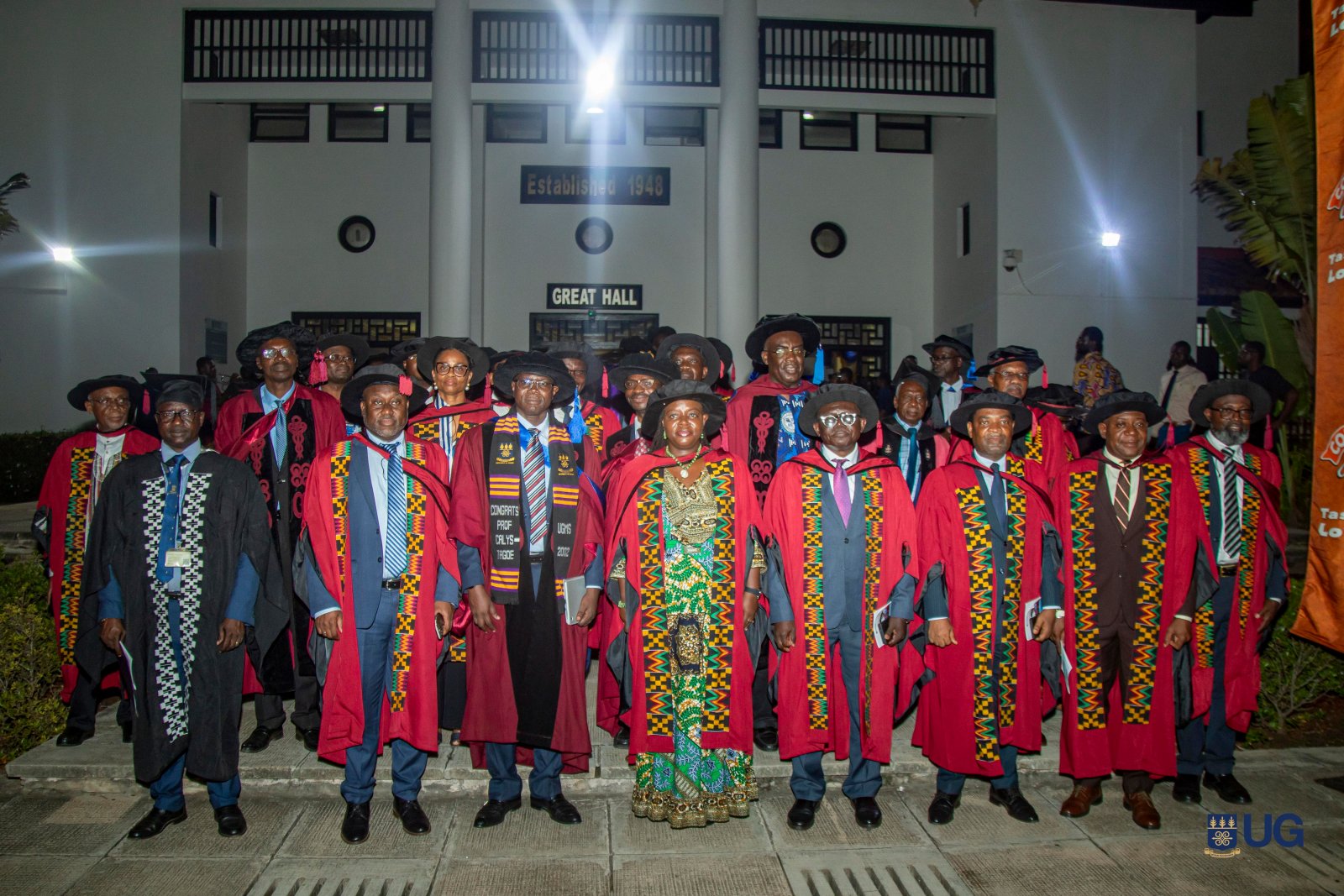
“Shortage of Specialists, Unhealthy Lifestyles behind Ghana’s Cancer Crisis” – Prof. Calys-Tagoe

Prof. Benedict Nii Laryea Calys-Tagoe, Head of the Department of Community Health at the University of Ghana Medical School (UGMS), has warned that a shortage of specialist health personnel and rising lifestyle-related risks are driving Ghana’s growing cancer burden.
Delivering his inaugural lecture at the University, Prof. Calys-Tagoe noted that Ghana is experiencing an epidemiological shift, with non-communicable diseases such as cancer becoming increasingly prominent. He cautioned that, if current trends continue, cancer cases could surpass those from malaria, tuberculosis and HIV combined by 2030.
In his lecture titled “Taming the Crab: Insights into Cancer Care in Ghana,” Prof. Calys-Tagoe drew on years of research, clinical experience and leadership in public health to highlight the challenges facing cancer care in the country.
He noted that the shortage of specialists, including pathologists and oncologists, remains a critical barrier, with advanced diagnostic services largely concentrated in Accra and Kumasi. “This situation leads to delays in diagnosis, late-stage presentation and poor outcomes,” he said.
Prof. Calys-Tagoe also identified lifestyle and environmental factors pushing the rising cancer burden, including physical inactivity, obesity, excessive alcohol consumption, tobacco use and environmental exposures from mining and biomass smoke. He highlighted the role of infectious agents, including HPV and hepatitis B, in preventable cancers such as cervical and liver cancers.
He further observed that screening programmes remain fragmented and opportunistic, and that key services such as routine screening, psychosocial support and palliative care are not covered by the National Health Insurance Scheme. “Integrating routine screening into CHPS compounds and primary healthcare could significantly expand access, particularly for rural populations,” Prof. Calys-Tagoe intimated.

To strengthen Ghana’s cancer response, he proposed scaling up HPV and hepatitis B vaccination programmes, expanding the workforce of pathologists, oncologists and surgeons, establishing and sustaining cancer registries for data-driven planning and integrating cancer screening and palliative care into primary healthcare. He also called for improved insurance coverage to reduce financial barriers for patients.
“For now, we may not be in a position to eradicate cancer, but we definitely have what it takes to reduce its incidence, mortality and overall impact. Indeed, we can tame the crab.” he concluded.
Prof. Calys-Tagoe’s work reflects a deep commitment to advancing health equity, building institutional capacity and mentoring future generations of health professionals. He is deeply involved in cancer research, focusing on breast and cervical cancers and the development of cancer registries in resource-limited settings, with the aim of improving early detection, treatment access and public awareness in Ghana.
In her chairperson’s remarks, Vice-Chancellor Prof. Nana Aba Appiah Amfo stated that Prof. Calys-Tagoe’s work exemplifies dedication, scholarship and a profound impact on public health. She highlighted his significant contributions to cancer research, the development of cancer registries and efforts to improve healthcare systems in Ghana.
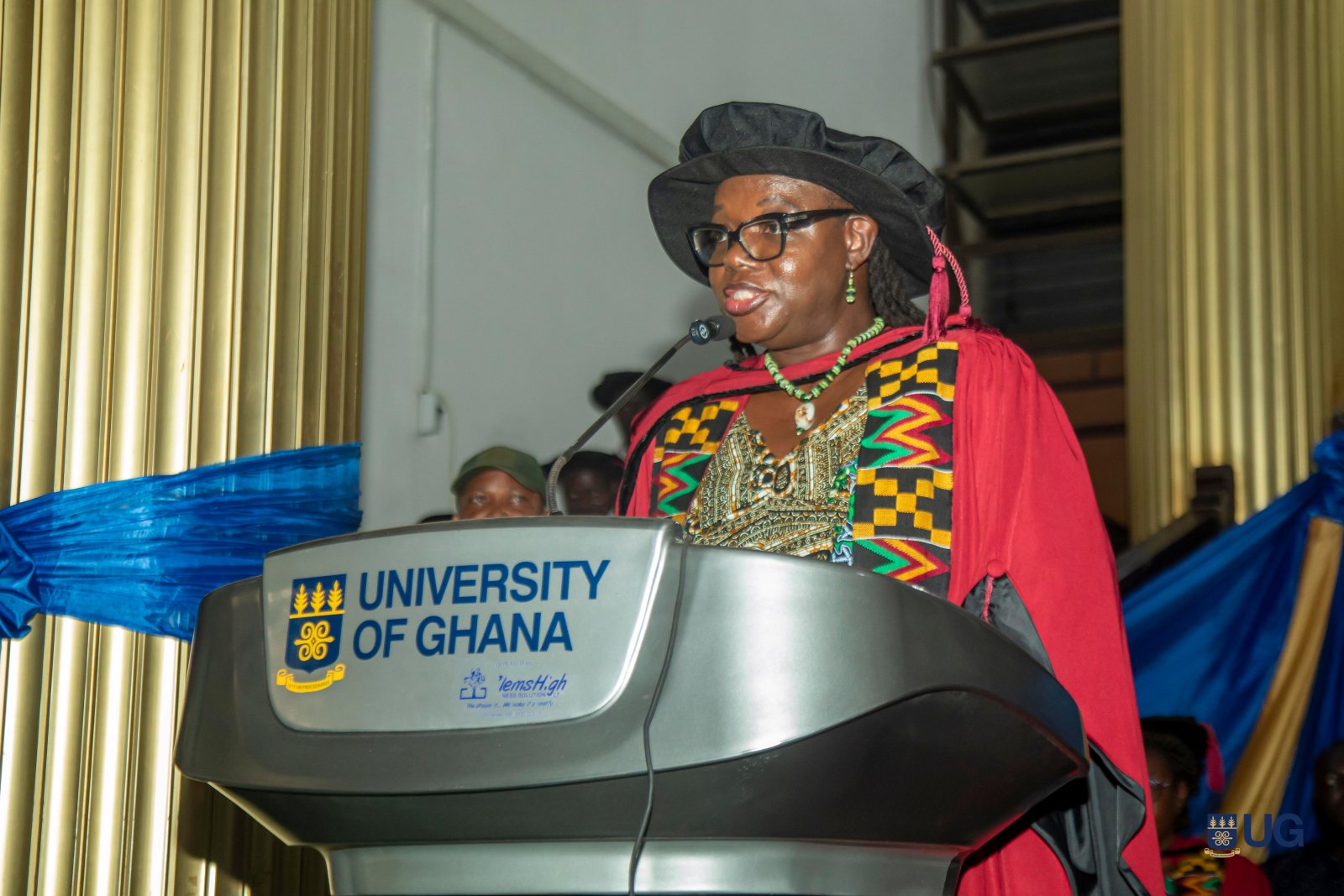
On behalf of the University community, Prof. Amfo extended warm congratulations to Prof. Calys-Tagoe, acknowledging his leadership, mentorship and outstanding service to both the academic community and the nation’s health sector.
The Acting Registrar, Mr. Benedict Fosu Adjei, in welcome remarks, noted the significance of Inaugural Lectures, indicating that they allow the University to acknowledge and showcase the achievements of its Faculty who have reached the highest point of their academic career.
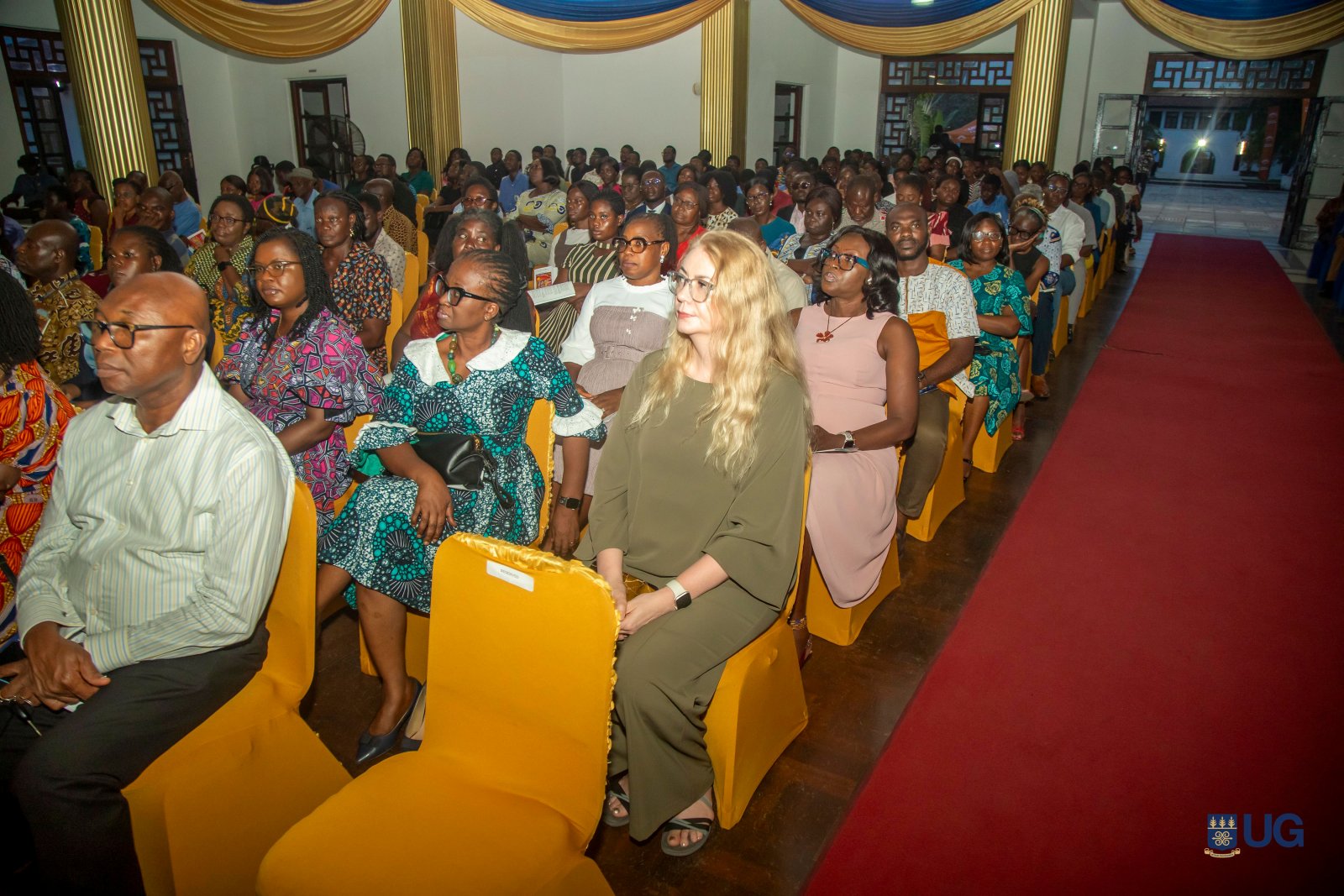
The lecture drew members of the University community, health professionals, students and policy stakeholders, providing a platform for evidence-based discussion on strengthening cancer care in Ghana and improving national health outcomes.
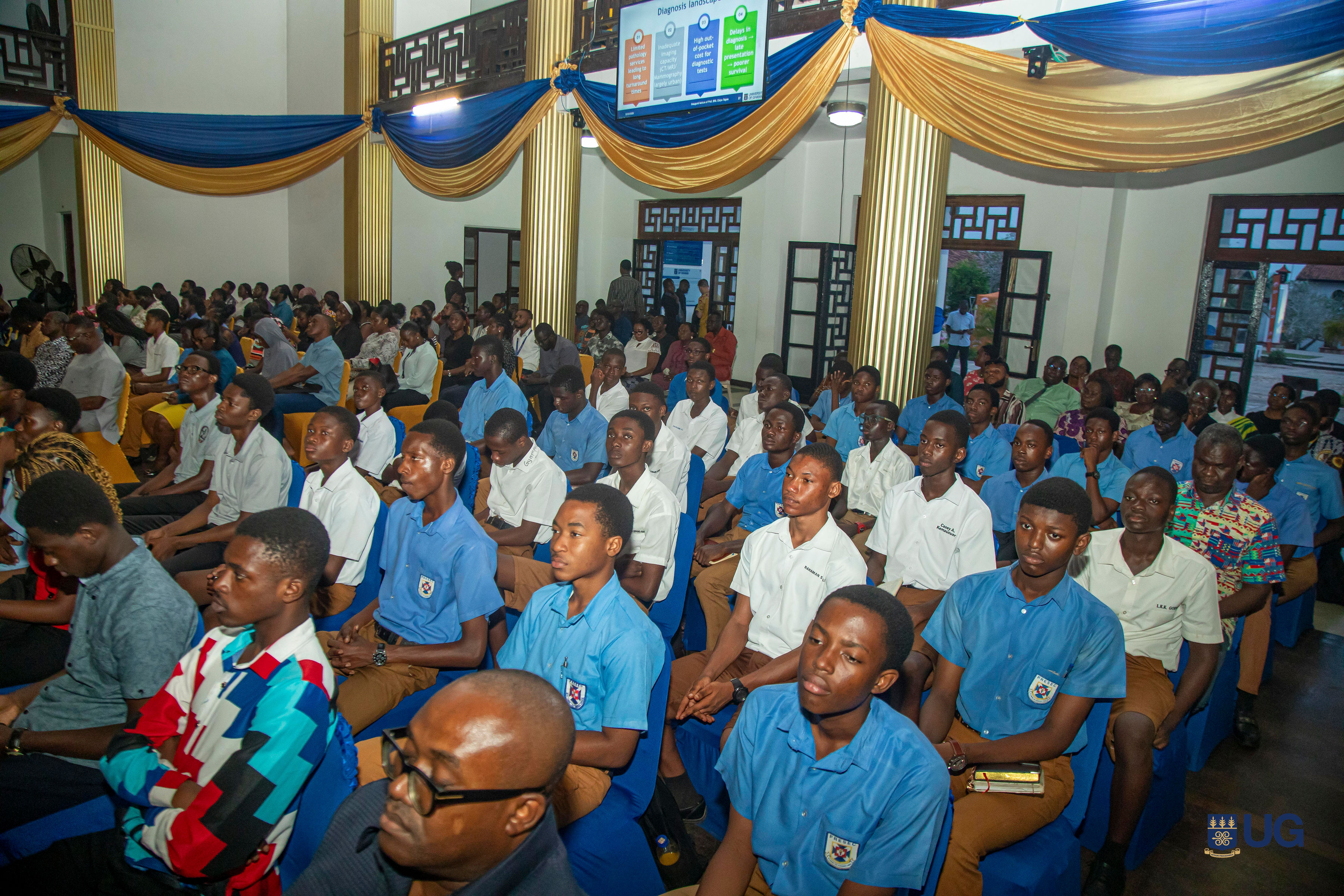
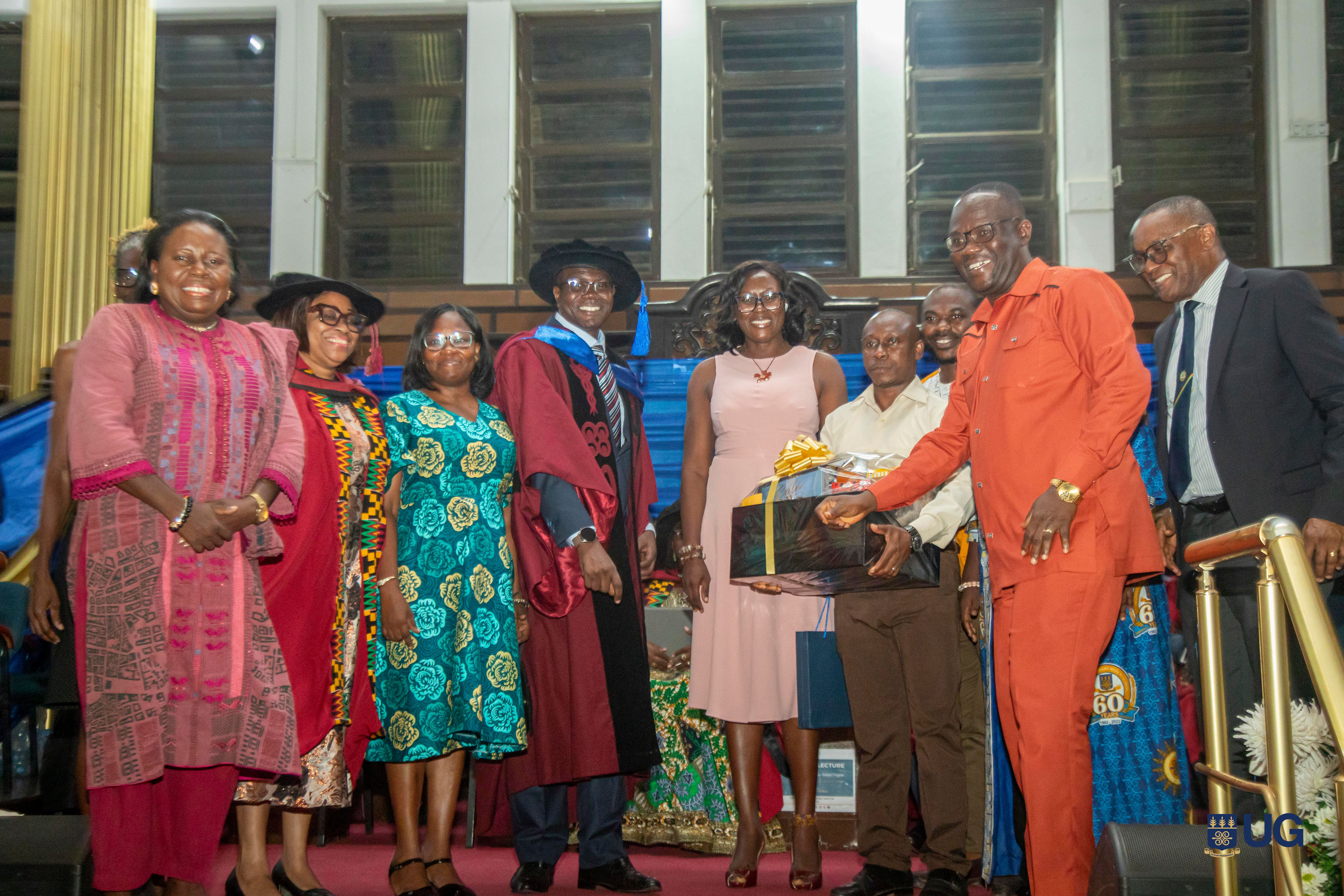
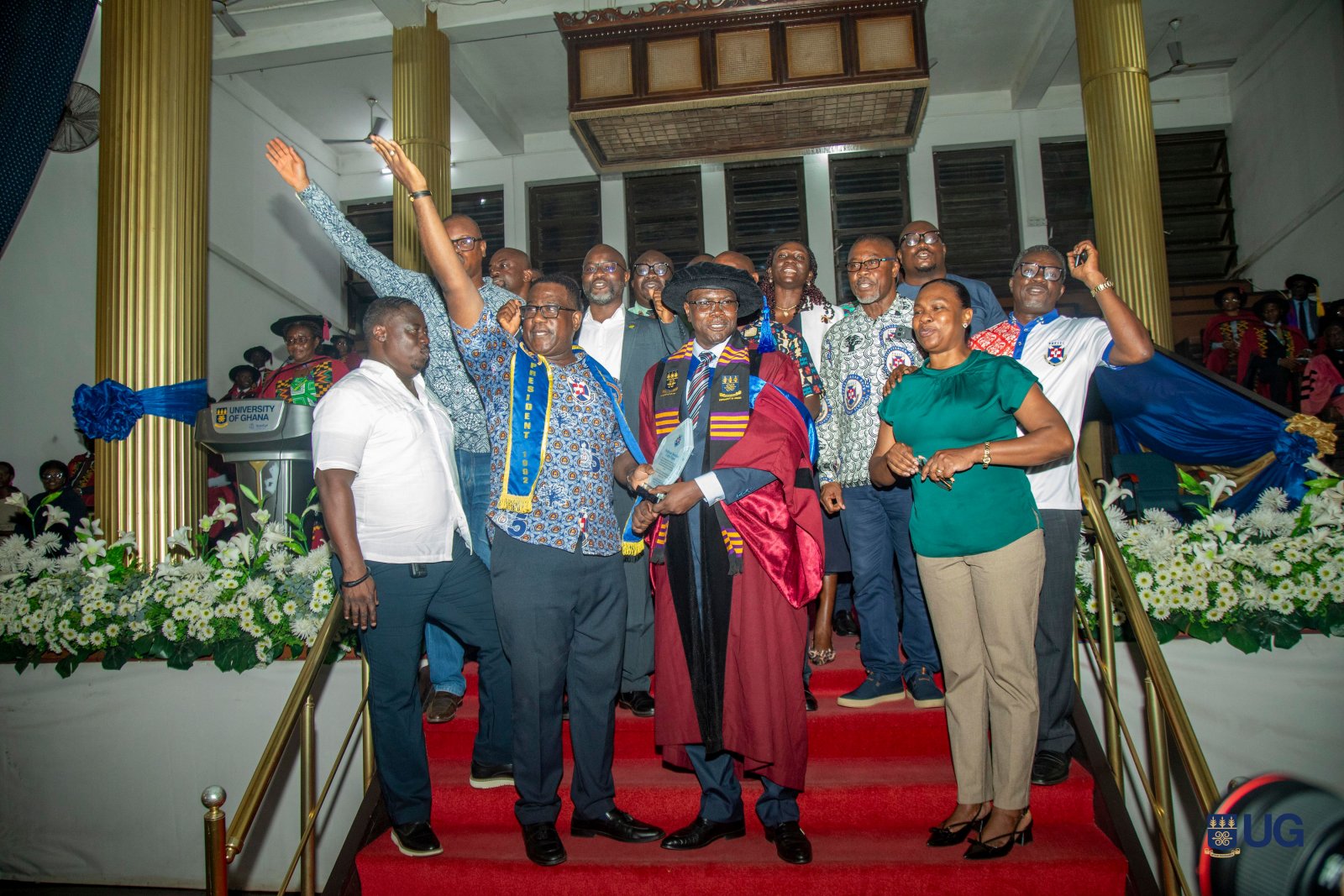
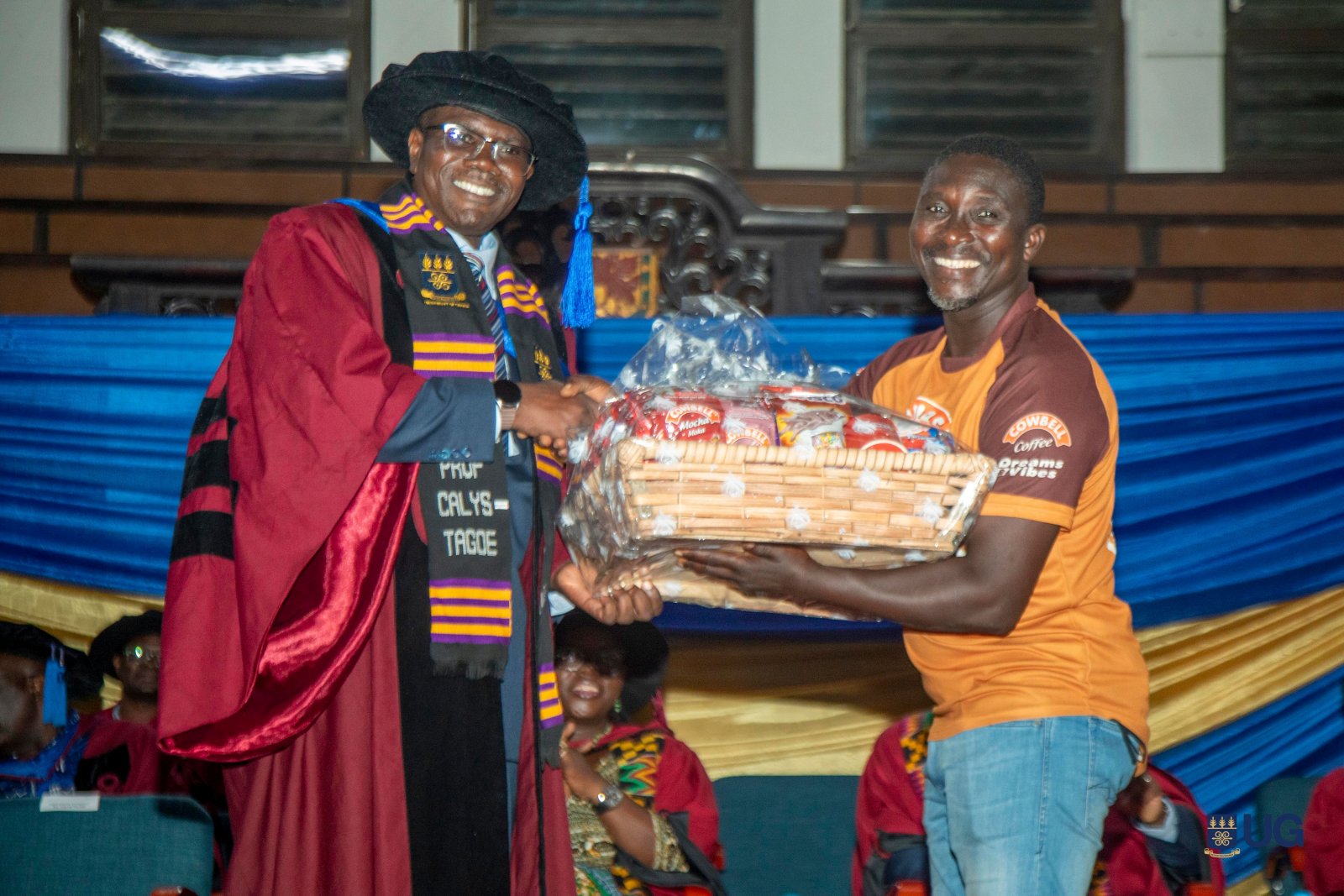
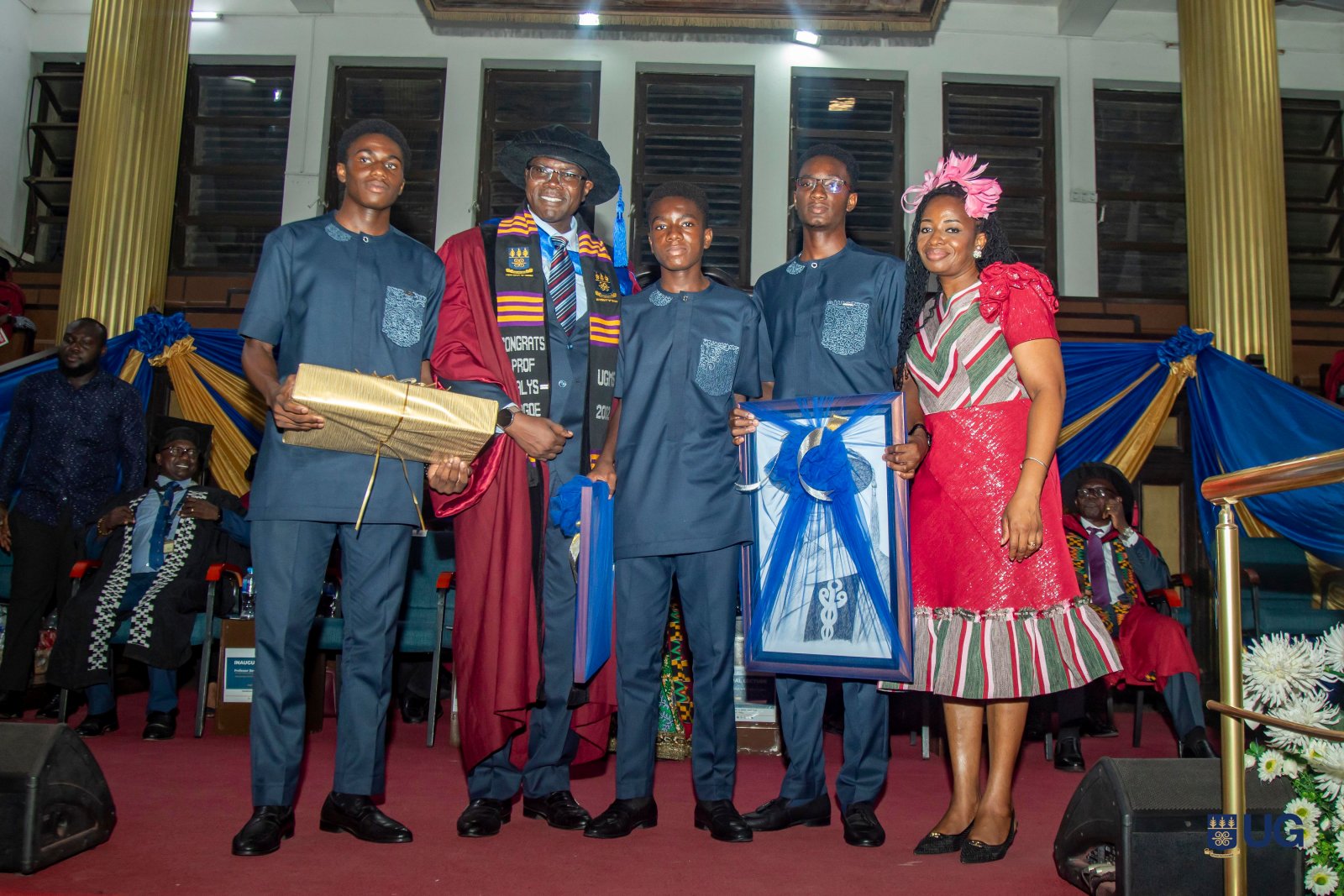
Presentations were made by representatives from the College of Health Sciences, the University of Ghana Medical School, the Department of Community Health at UGMS, his schoolmates from the Presbyterian Boys’ Senior High School (PRESEC) and his family. The lecture was also supported by Promasidor Ghana Limited, the official beverage sponsor for the event, with performances from the Ghana Dance Ensemble.