Vice-Chancellor’s 2026 University Management Retreat Reviews Progress and Sets Strategic Priorities
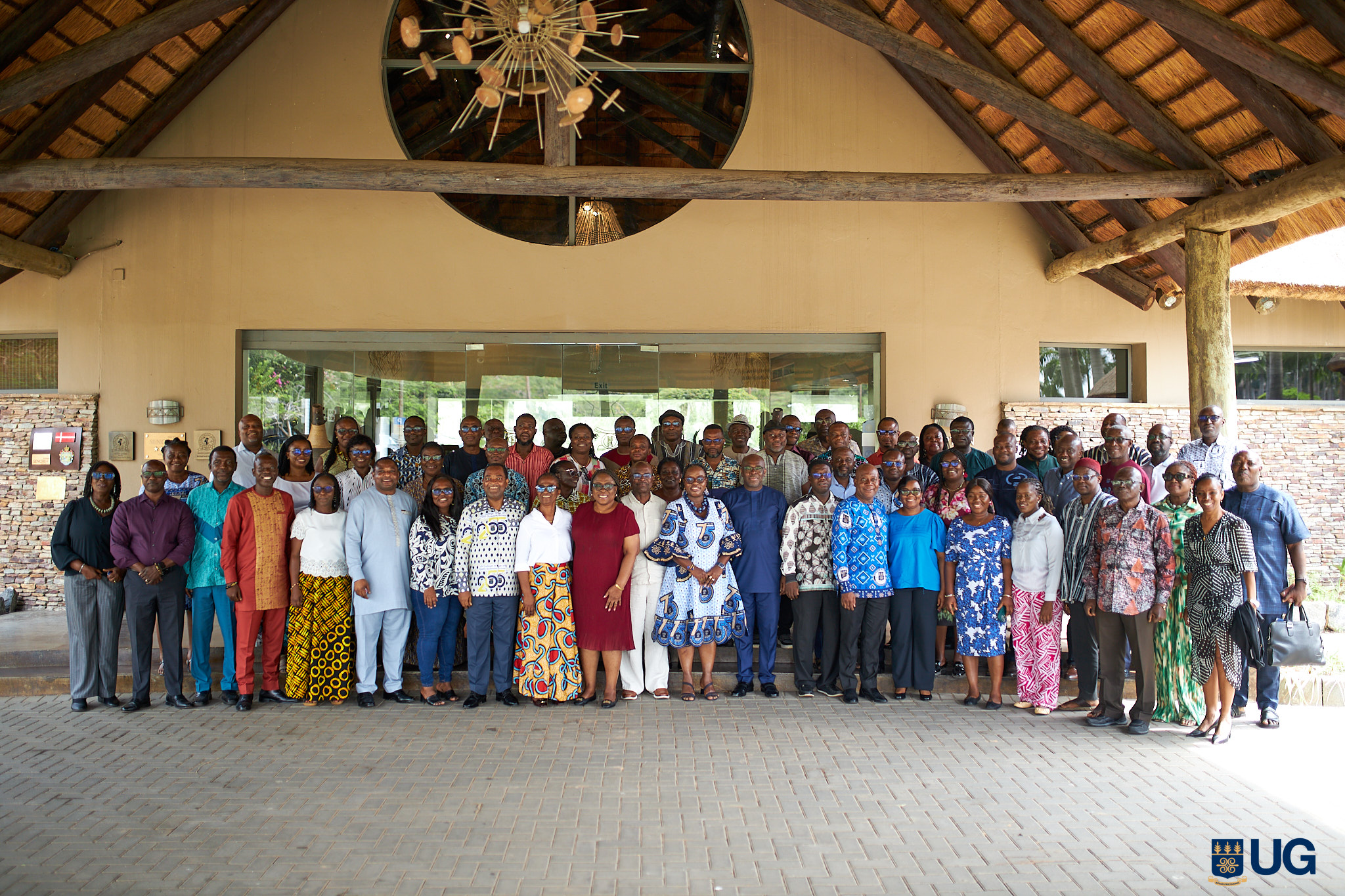
The fifth in the series of the Vice-Chancellor’s Management Retreat has been held to review institutional progress, address key challenges and chart strategic directions for the University.
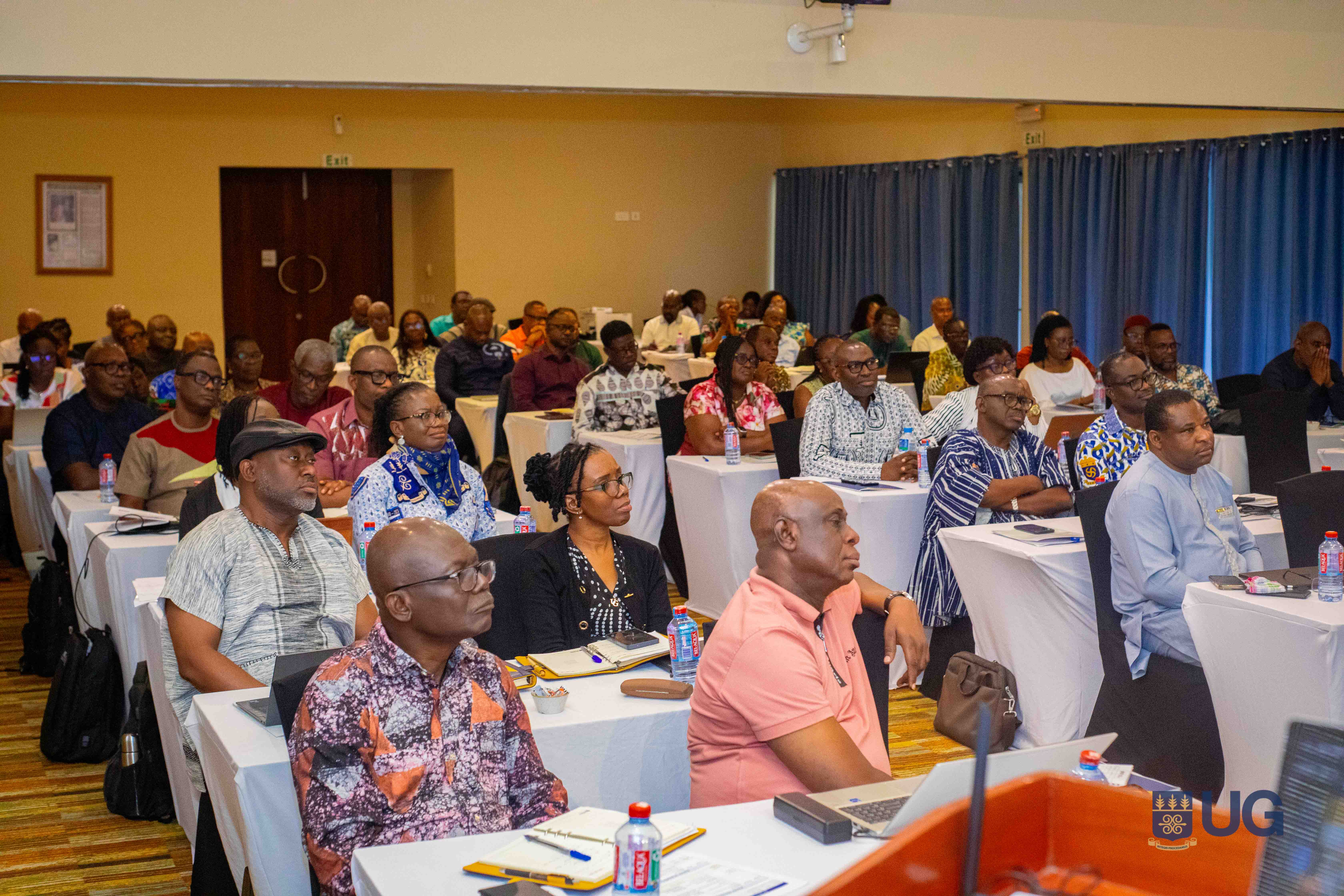
Held at the Royal Senchi Hotel and Resort, the three-day retreat brought together members of the University’s leadership to reflect on the implementation of the 2024-2029 Strategic Plan and to strengthen collective leadership in response to emerging trends in higher education.
The retreat featured a series of expert-led presentations and interactive sessions focusing on critical areas such as artificial intelligence in university governance, graduate employability, employee productivity, financial sustainability, public financial management and sustainable resource mobilisation.
The retreat was attended by the Vice-Chancellor, Pro Vice-Chancellors, the Registrar, Provosts of the four Colleges as well as Deans and Directors of the various Academic and Administrative Units, demonstrating the University’s commitment to inclusive leadership and collaborative decision-making.
Opening the retreat, the Vice-Chancellor, Prof. Nana Aba Appiah Amfo, under whose office the retreat was organised, stated that the Management Retreat series has, over the years, provided a critical platform for aligning leadership thinking and strengthening institutional governance. She mentioned that the retreat was guided by the “5Rs” to Retreat, Reflect, Review, Re-strategise and Renew, explaining the need for continuous reflection and improvement across all levels of University management.

She noted that the sessions have consistently been fruitful in helping to streamline management processes, improve decision-making and translate strategy into action. Prof. Amfo expressed satisfaction with the visible outcomes of previous retreats, indicating that several policy reforms, administrative improvements and strategic initiatives currently being implemented across the University could be traced to deliberations from earlier retreats.
The Vice-Chancellor commended participants for their dedication and contributions during the retreat but urged them to build on these outcomes to ensure sustained progress and institutional excellence.
For his part, Prof. Felix Ankomah Asante, Pro Vice-Chancellor for Research, Innovation and Development, provided updates on ongoing efforts to enhance research outputs, strengthen research management and ensure the University of Ghana’s research remains globally competitive and impactful.
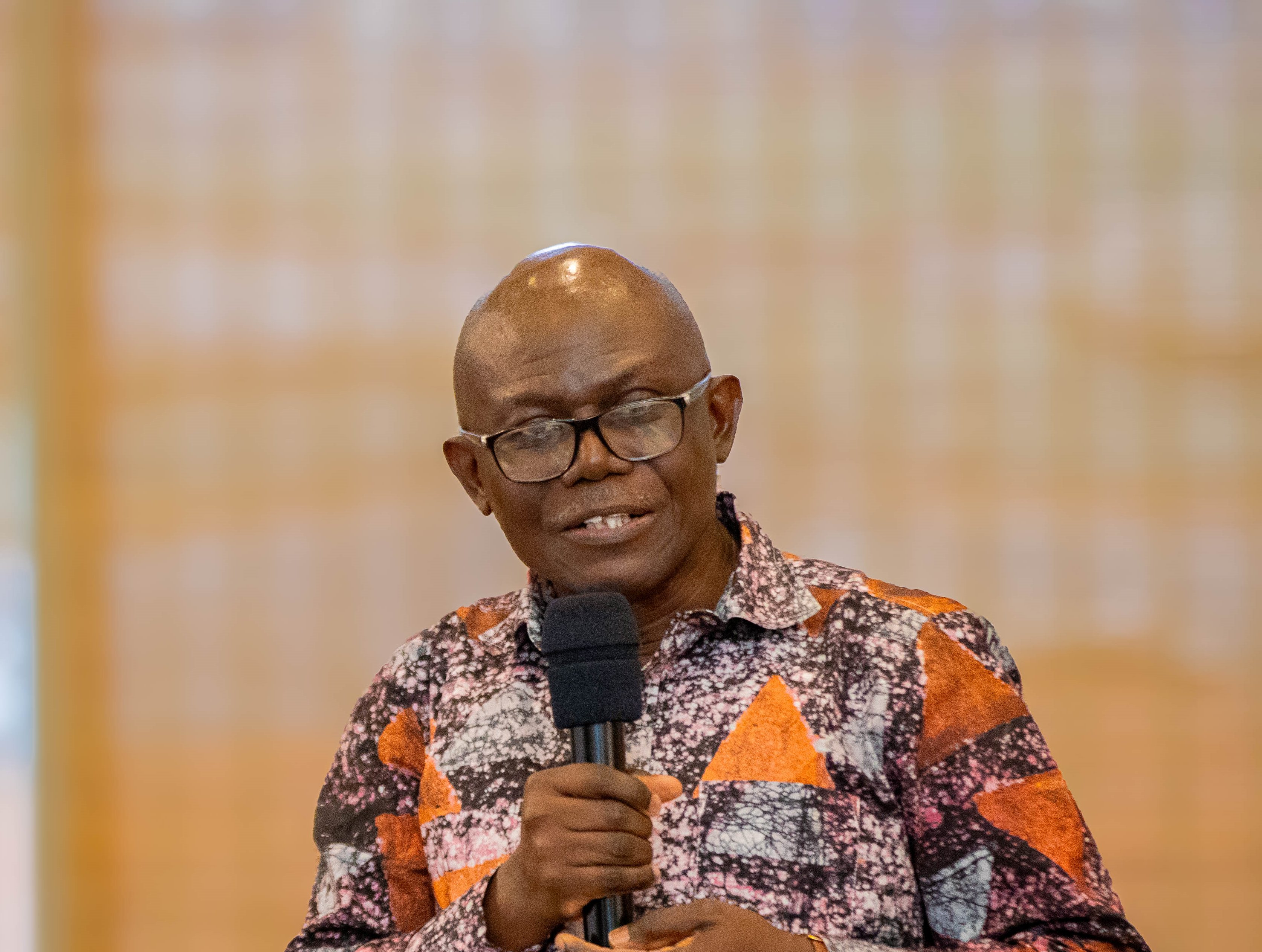
Prof. Asante also announced a new initiative to provide financial support to postgraduate students for research and data collection, aimed at improving thesis completion rates and fostering high-quality research that contributes to national development and international scholarship.
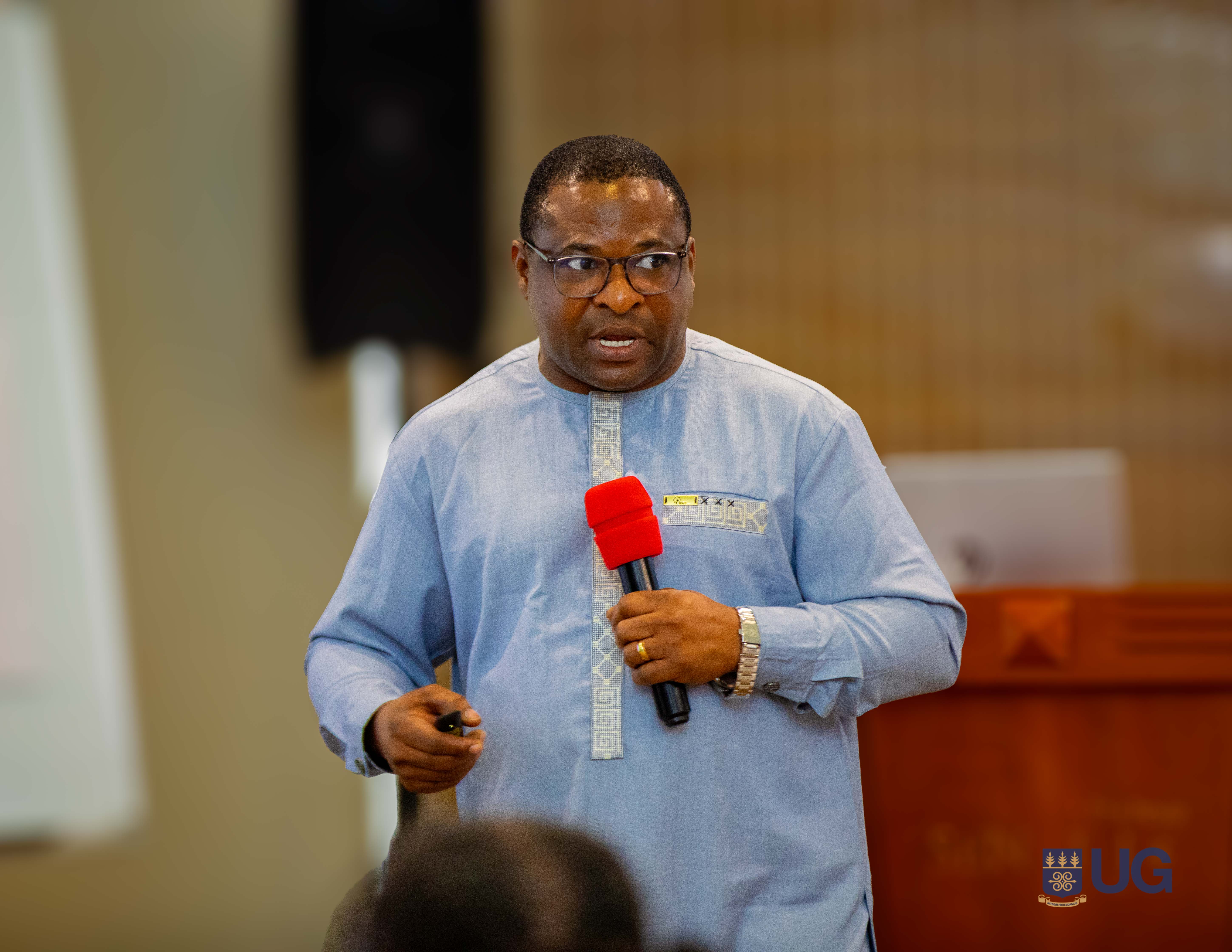
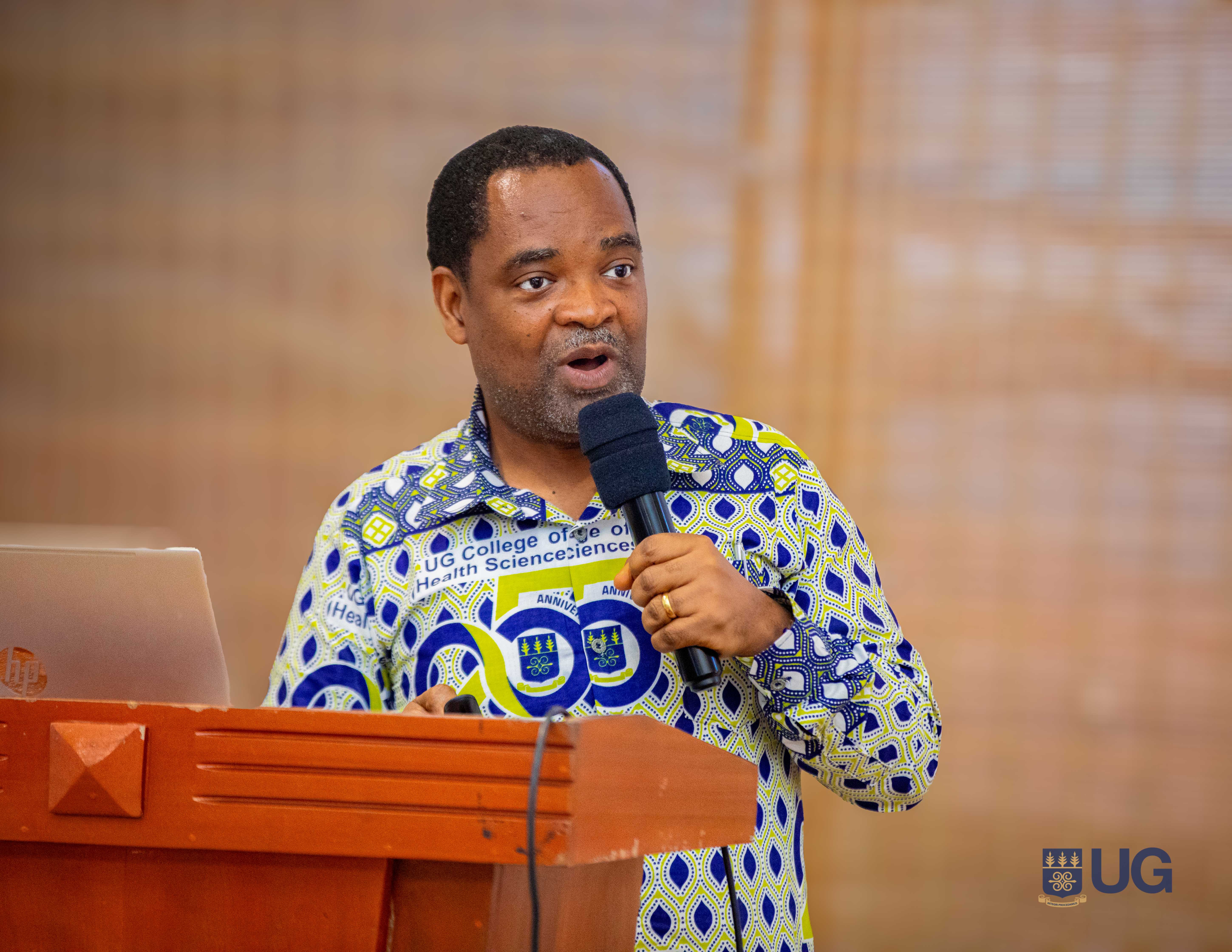
An important part of the retreat was an update from the Inter-Collegiate Implementation Committee, presented by Prof. Gordon A. Awandare, Pro Vice-Chancellor (Academic and Student Affairs). The presentation included key achievements, challenges and next steps in implementing the University’s Strategic Plan across the Colleges. Prof. Awandare emphasised the importance of collaboration among Colleges, Departments and administrative units to ensure that strategic objectives are effectively translated into measurable outcomes.

In a related session on graduate programmes, the Pro Vice-Chancellor (Academic and Student Affairs) presented strategies to expand graduate enrolment, strengthen academic offerings and enhance the University’s research output and global visibility, with discussions highlighting programme diversification, student support services and alignment with market and industry needs.
The Provosts of the four Colleges provided updates on the implementation of their strategic plans, highlighting achievements, ongoing initiatives and challenges in advancing the University’s 2024-2029 Strategic Plan. Prof. Samuel Nii Ardey Codjoe, Provost of the College of Education; Prof. Sandow Mark Yidana, Provost of the College of Basic and Applied Sciences; Prof. Alfred Edwin Yawson, Provost of the College of Health Sciences and Prof. Joseph Awetori Yaro, Provost of the College of Humanities, each presented reports reflecting progress, key initiatives and ongoing efforts within their respective Colleges.
The Director of the Human Resource and Organisational Development Directorate (HRODD), Dr. Yvonne Ayerki Lamptey, in a presentation, provided updates on the University’s staff strength across various levels, promotion processes, and leave of absence, among other human resource matters.
She urged leaders to ensure that all staff take their annual leave and encouraged the preparation of annual leave rosters to support effective planning, staff wellbeing, and sustained productivity.

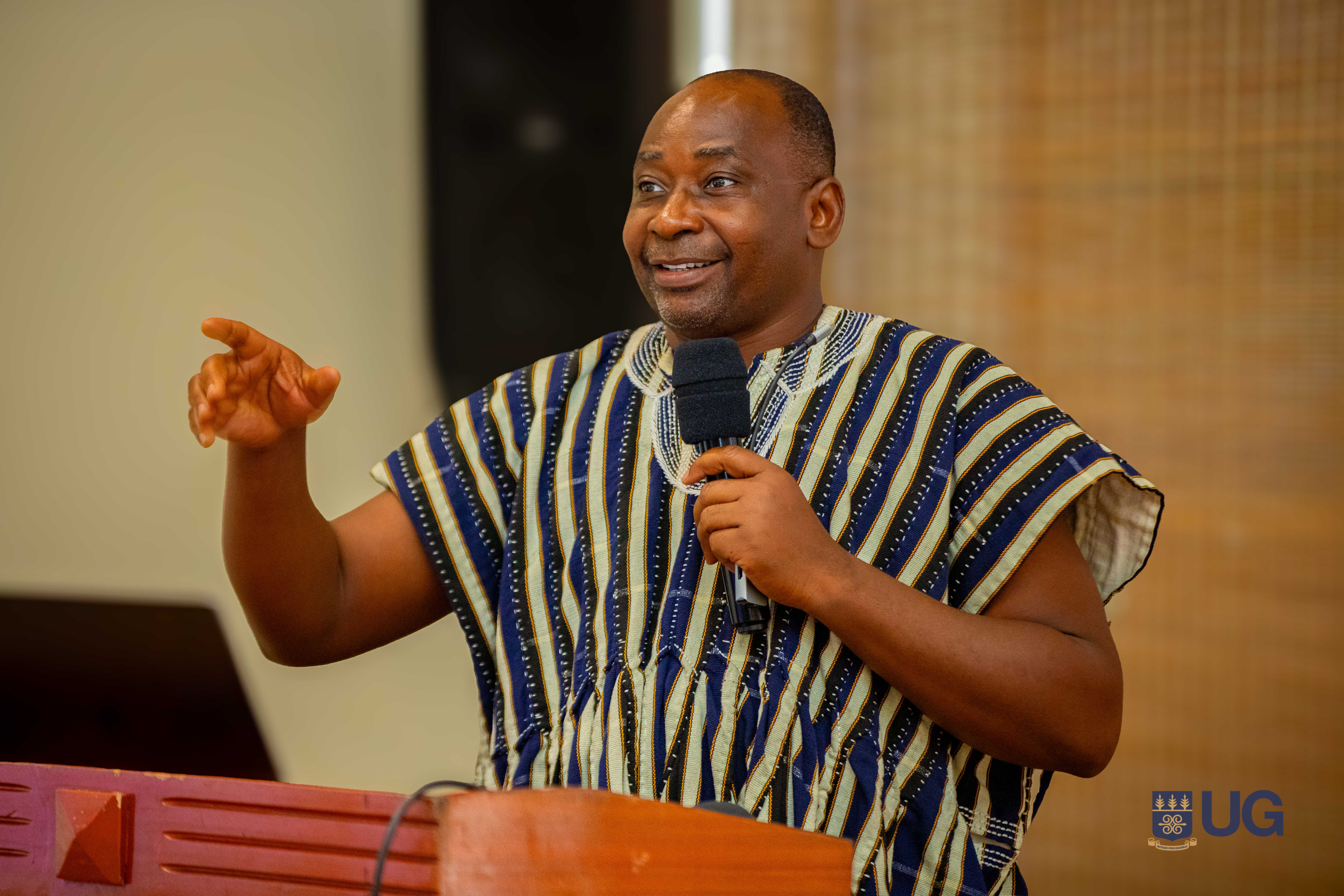
The retreat featured expert-led sessions addressing critical aspects of university management. Prof. Paul Tiyambe Zeleza, Distinguished Professor at Howard University, explored the role of artificial intelligence in governance, highlighting its impact on decision-making, administrative efficiency and institutional competitiveness. He also led a session on sustainable resource mobilisation, outlining strategies for revenue diversification and fundraising.
In a session on financial management, Mr. Benjamin Owusu Addo, Director of Finance, presented the current financial state of the University and urged Heads of Units to prioritise resource mobilisation, prudent budget management and effective oversight of procurement and logistics.
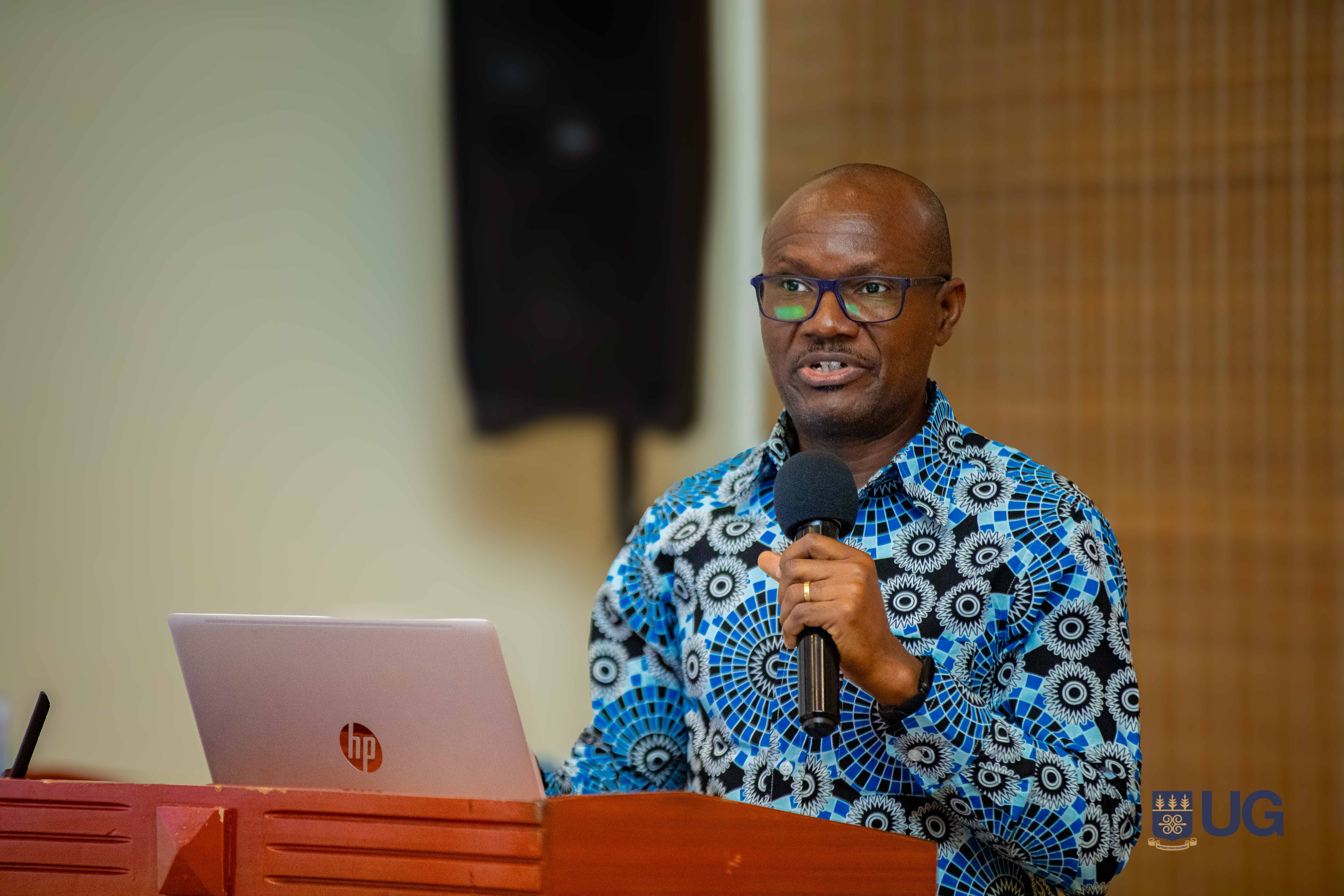
The University’s Deputy Director of the Internal Audit Directorate, in charge of Risk Management, Prof. Samuel N. Y. Simpson, provided an overview of enterprise risk management, touching on issues around compliance, internal controls and safeguarding the University’s resources.
On employee productivity, Mr. Kwamina Asomaning, CEO of Stanbic Bank Ghana and President of the Ghana Association of Banks, shared lessons from the banking sector on leadership, accountability and performance management.
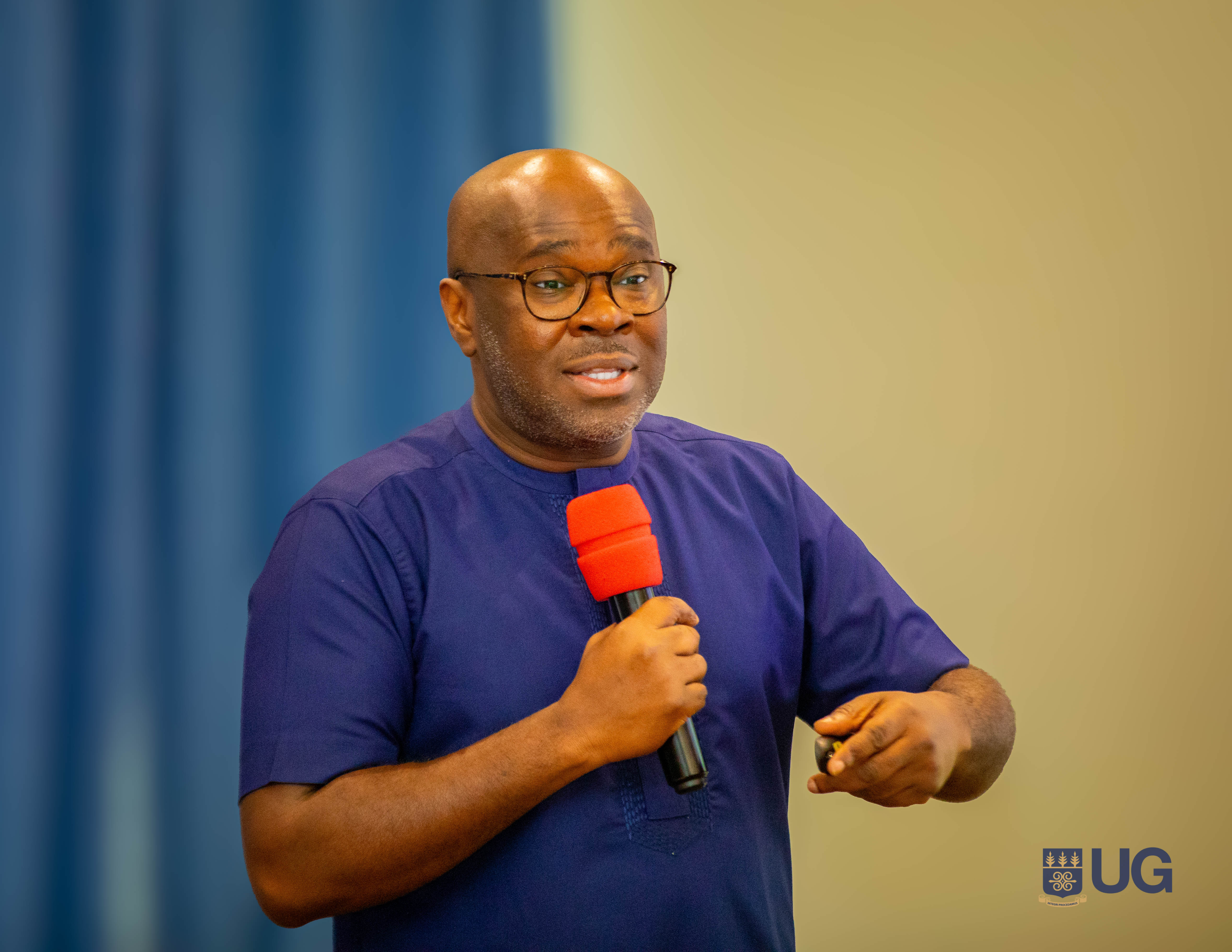
Madam Eva Esselba Mends, Senior Public Financial Management Expert at the Legon Leadership Academy, spoke on budgeting and compliance under the Public Financial Management Act, emphasising strategic financial planning for institutional managers.

Ms. Ethel Cofie, Founder and CEO of EDEL Technology Consulting, discussed bridging academia and industry, focusing on skills-based training, curriculum alignment and partnerships to improve graduate employability and workforce readiness.
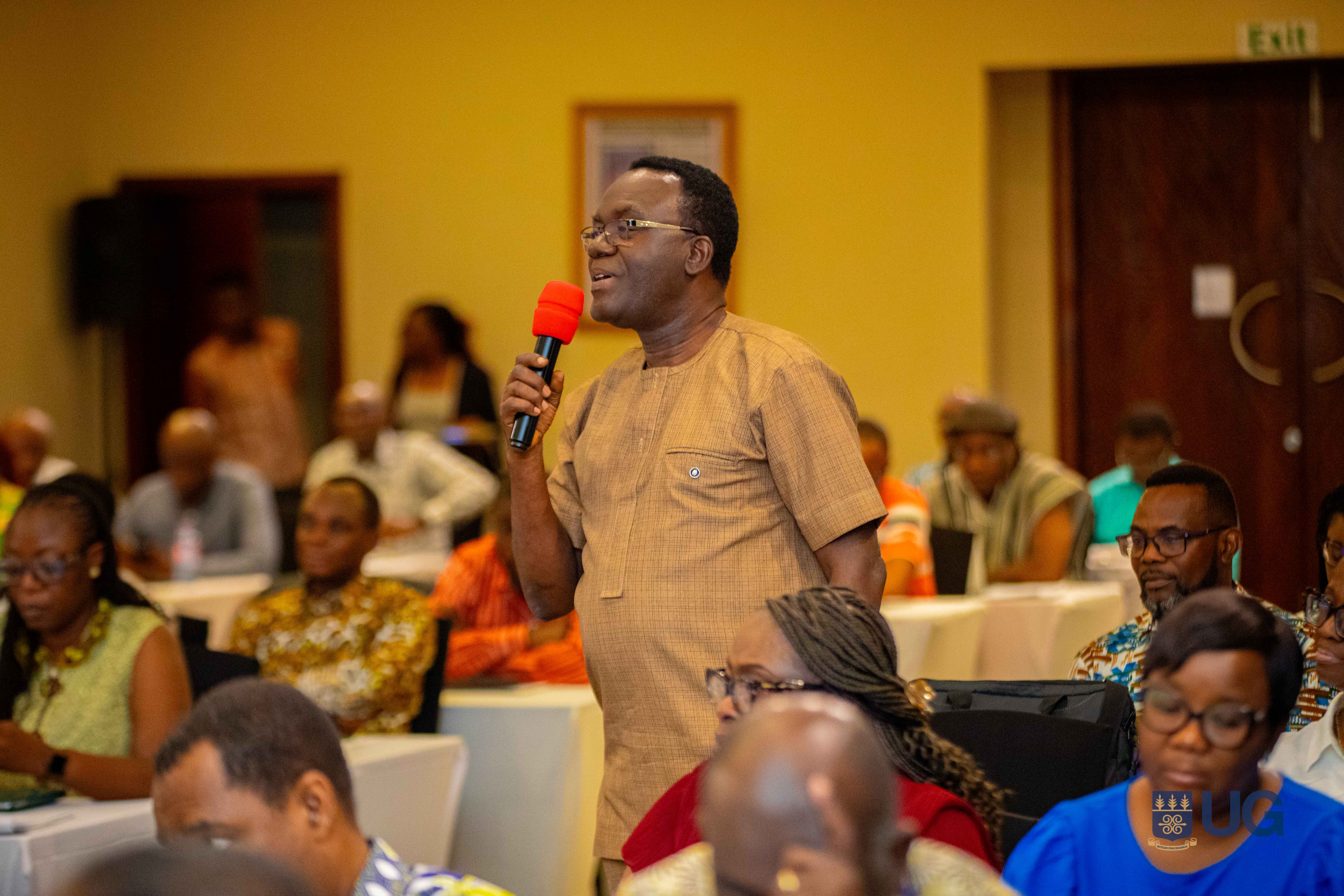
Throughout the retreat, participants reviewed Annual Action Plans from Central Administration, the Human Resource and Organisational Development Directorate (HRODD) and the Legal Affairs Directorate, as well as updates from Colleges on strategic plan implementation. Interactive sessions examined strategies for increasing graduate enrolment, designing a Student-Work Policy and expanding revenue streams to ensure sustainable institutional growth.
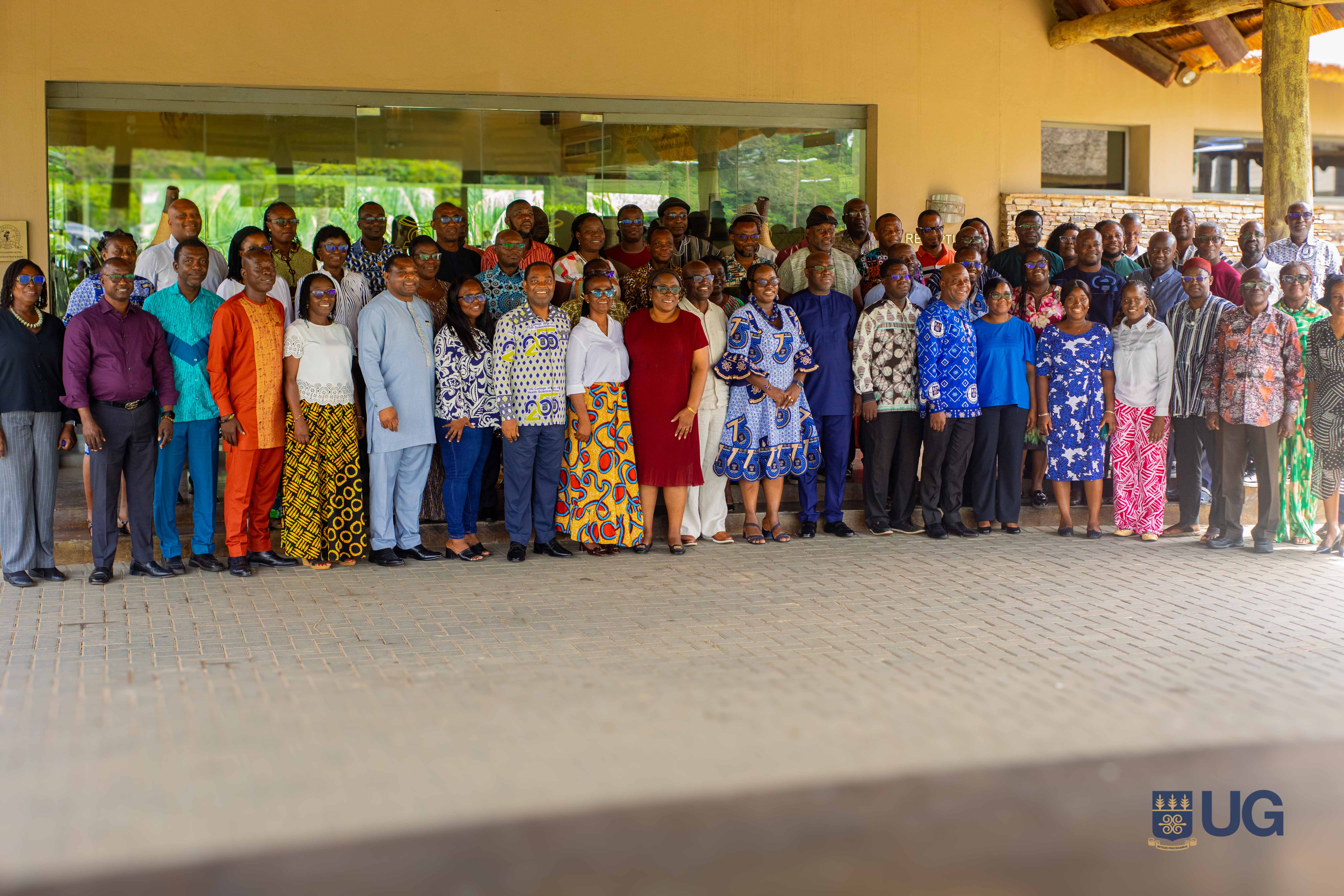
The retreat concluded with group presentations, reflections and a wrap-up session led by the Vice-Chancellor, reaffirming the University’s commitment to effective governance, financial sustainability and delivering measurable impact for students, staff and national development.
The 2026 Vice-Chancellor’s Management Retreat was sponsored by the School of Law, the School of Public Health and the Institute of Statistical, Social and Economic Research (ISSER).