UG Nkabom Collaborative Seminar Exposes Youth to Opportunities in Ghana’s Vegetable Value Chain
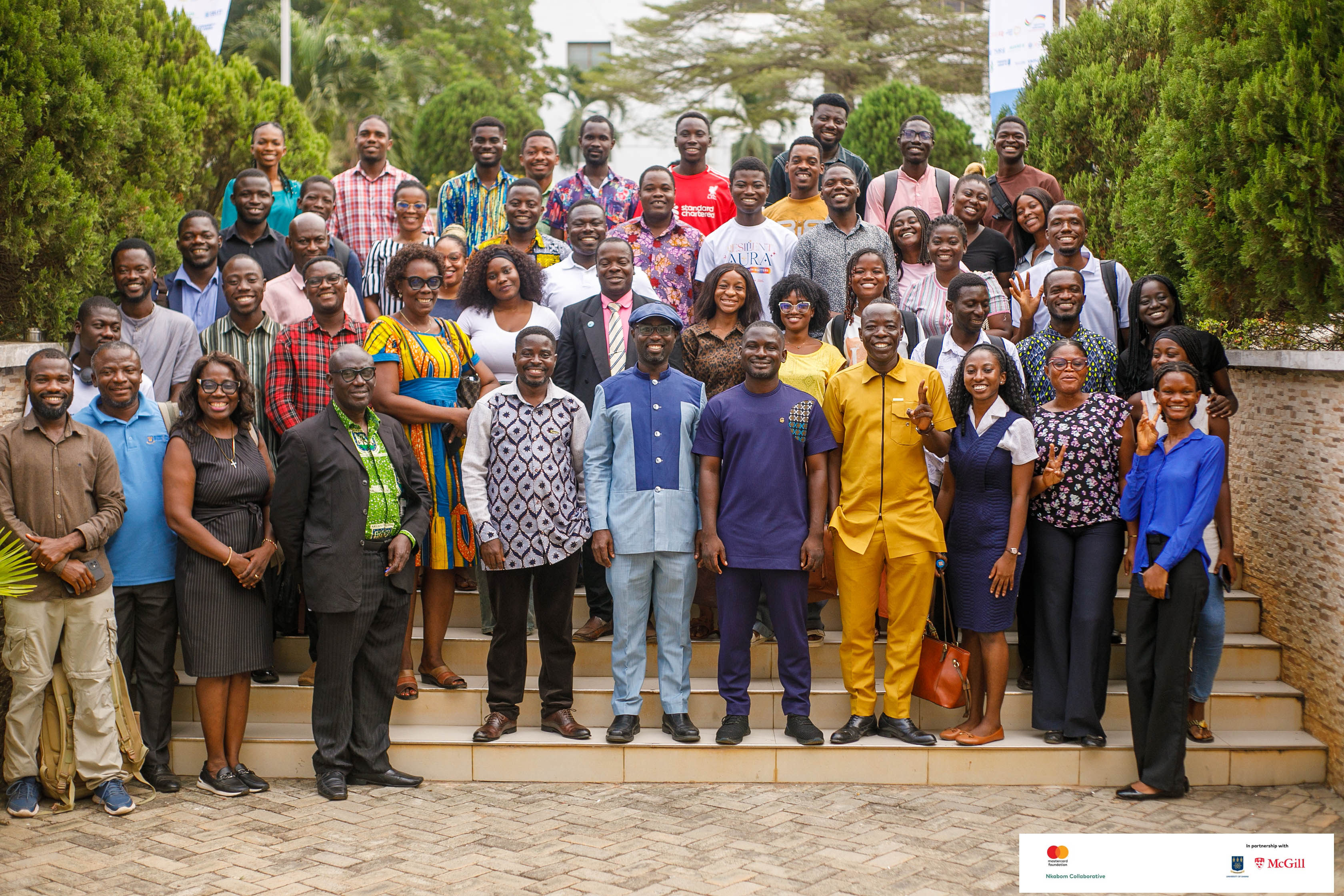
The second session of the UG Nkabom Collaborative Seminar series has spotlighted the vast opportunities within Ghana’s vegetable value chain, with a strong call for increased youth participation in agriculture and food systems transformation.
The seminar, held on the theme “Unlocking Opportunities in Ghana’s Vegetable Value Chain,” was presented by Mr. Charles Agyeman, an agronomist and Co-founder of Defarmarcist, a youth-led mechanised vegetable farming company. The session forms part of a series under the Nkabom Collaborative aimed at strengthening Ghana’s food systems through innovation, collaboration and youth empowerment.
In opening remarks, Collaborative Lead, Prof. Richmond Aryeetey, indicated that the seminar aligns with sustained efforts under the project to improve Ghana’s food systems.
He noted that the initiative places particular emphasis on youth involvement and empowerment in the agri-food sector, positioning young people as key drivers of transformation across the agricultural value chain.

Mr. Charles Agyeman, who has extensive experience in crop science, agronomy and farm management consultancy, led the technical session. Drawing from his professional experience, he shared insights into the production of leafy and fruiting vegetables and the business potential embedded within the sector.
Mr. Agyeman highlighted the strong and growing market demand for vegetables. He explained that "the rising urban population in Accra and other major cities continues to drive daily vegetable consumption. In addition, hotels, supermarkets, food vendors and food processors are demanding consistent and high-quality supplies."
The agronomist further pointed to the high import demand for premium vegetables and stressed that increased local production could help reduce Ghana’s reliance on imports. He also referenced regional market dynamics, noting the role of countries such as Senegal, Mali and Burkina Faso in driving market-oriented vegetable production.

On employment prospects, Mr. Agyeman described the vegetable value chain as labour-intensive and youth-friendly. According to him, the chain creates employment opportunities in production, aggregation, transport, trading and processing. He added that the sector is suitable for smallholder farmers and young agripreneurs, particularly in rural and peri-urban areas.
Providing an overview of the vegetable value chain, Mr. Agyeman explained that it encompasses the full sequence of activities and actors involved in moving vegetables from farm to consumer. These include seed production, nursery and seedling development, cultivation, harvesting, post-harvest handling, aggregation, processing and value addition, packaging, distribution and retail. He stressed that strengthening each stage of the chain is critical to reducing losses, improving quality and enhancing profitability.

He observed that limited research funding to develop appropriate protocols for organic vegetable farming remains a challenge. As a result, he urged stakeholders to invest in research and innovation to improve production methods and standards.
Beyond primary production, Mr. Agyeman identified professional service areas such as agricultural consulting, farm architecture and design, greenhouse technology and irrigation systems as viable entry points for young people. He expressed optimism that strategic investments in large-scale vegetable production, coupled with improved systems and technology adoption, would enhance food security and significantly reduce vegetable imports into Ghana.

Dr. Hayford Ayerakwa, who leads the Education Pillar of the UG Nkabom Project at the University of Ghana, moderated the session, which was attended by over 30 young people drawn from diverse academic and professional backgrounds.
The Nkabom Collaborative Seminar continues to serve as a dynamic platform for knowledge exchange, capacity building and practical engagement, equipping young people with the tools, skills and insights needed to tap into emerging opportunities within Ghana’s vegetable sector.
The Nkabom Collaborative envisions a transformed agri-food system in Ghana driven by empowered youth. Through expanded educational opportunities, targeted training programmes, particularly for underserved groups and strengthened entrepreneurial capacity, the initiative seeks to unlock the immense potential of Ghana’s young people to drive innovation, productivity and sustainability across the country’s agri-food landscape.

