Eight Laboratory Professionals from Six African Countries Complete NMIMR–JICA Training to Strengthen Disease Diagnostics
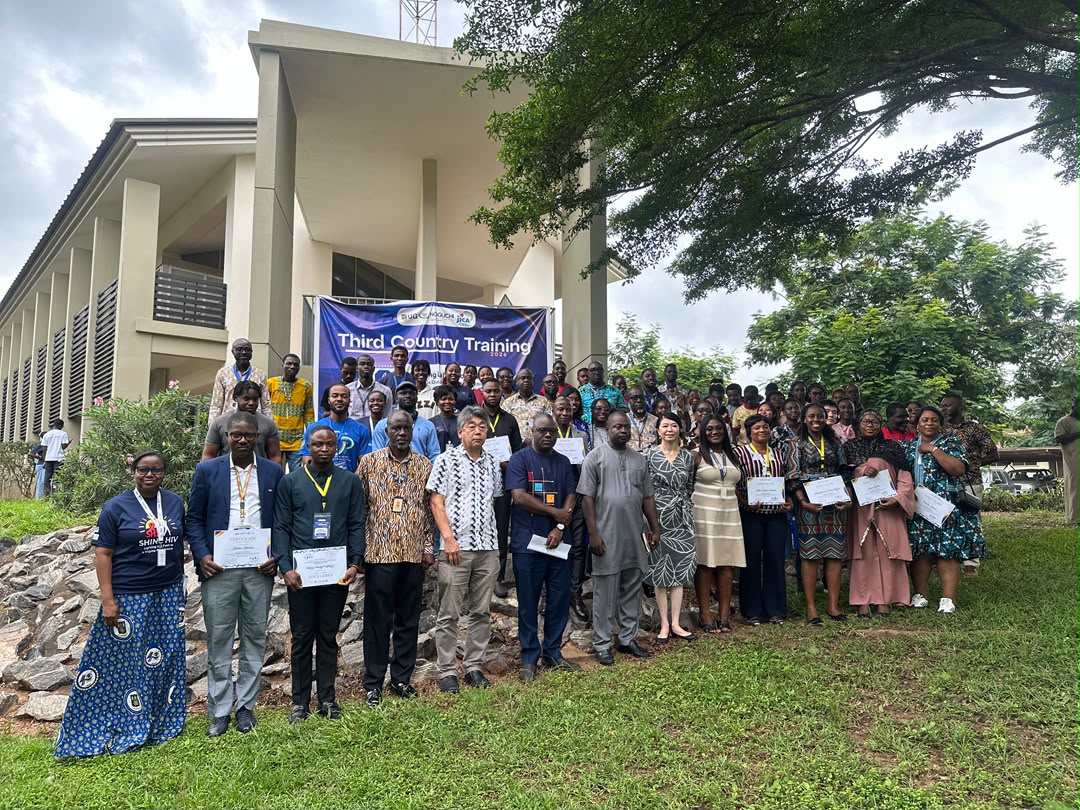
Eight laboratory professionals from six African countries have completed an intensive capacity-building programme at the Noguchi Memorial Institute for Medical Research (NMIMR), designed to strengthen infectious disease diagnostics, surveillance and laboratory systems across the continent.
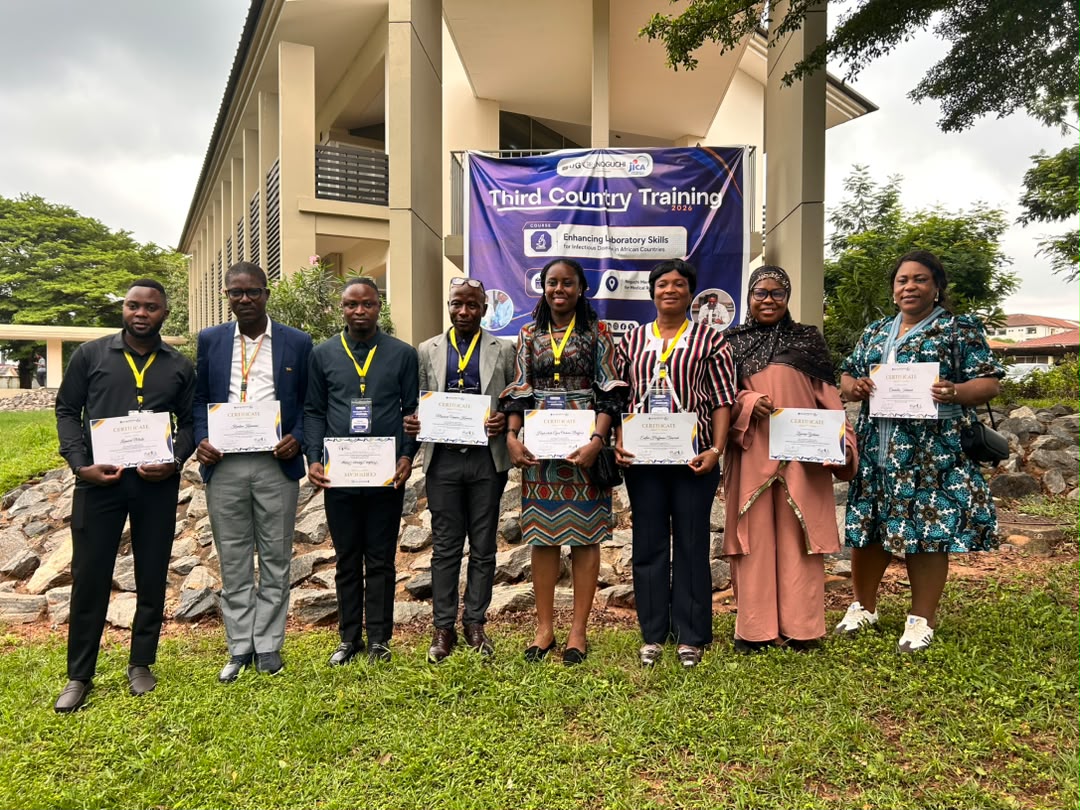
The training, the sixth in a series, organised by NMIMR in collaboration with the Japan International Cooperation Agency (JICA) under its Third Country Training Programme, concluded with a certificate presentation ceremony at the Institute following eight weeks of blended learning comprising four weeks of online instruction and four weeks of intensive practical laboratory training.
The programme trained eight participants from Ghana, Liberia, Nigeria, Sierra Leone, Togo and Zambia, drawn from national public health and reference laboratories. It focused on improving technical competencies in infectious disease diagnosis, laboratory quality management, biosafety and biosecurity, disease surveillance and outbreak response.
During the in-person phase, participants received expert-led practical training across several departments of NMIMR's advanced research laboratories. The programme covered modern laboratory diagnostic techniques, specimen collection and processing, molecular and microbiological diagnostic methods, quality assurance systems, laboratory data management, biosafety and biosecurity protocols and outbreak investigation support. Participants also engaged in practical laboratory demonstrations, case-based learning and collaborative exercises designed to strengthen their ability to detect, diagnose and respond effectively to infectious disease threats within their respective national health systems.
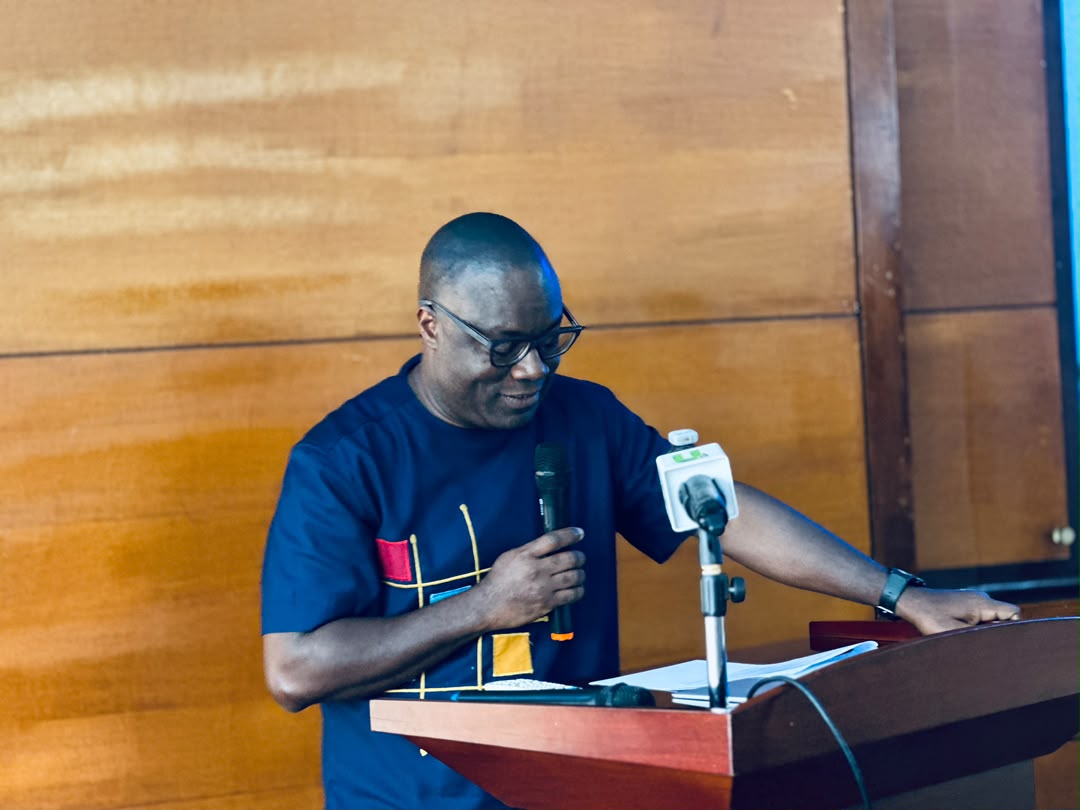
At the closing ceremony, the Director of NMIMR, Prof. Dorothy Yeboah-Manu, in remarks delivered on her behalf by the Head of the Virology Department, Prof. Kofi Bonney, congratulated the participants on successfully completing the programme and commended them for their commitment throughout both the virtual and practical phases of the training.
Prof. Yeboah-Manu said the programme was designed to boost the technical expertise of the participants and to build lasting professional networks and promote collaboration among laboratory scientists across Africa.
She urged participants to translate the knowledge and practical skills acquired into stronger disease surveillance systems, improved laboratory diagnosis and enhanced outbreak preparedness in their respective countries.
Prof. Yeboah-Manu further encouraged the participants to serve as trainers within their institutions by sharing the knowledge and skills acquired through peer-to-peer training, explaining that the long-term success of the programme would depend on its ability to strengthen institutional capacity beyond the eight direct beneficiaries.
She added that building competent laboratory professionals remains central to improving Africa's preparedness for emerging and re-emerging infectious diseases and reaffirmed NMIMR's commitment to supporting regional health security through research, innovation and specialised training.
The Deputy Chief Representative of JICA Ghana Office, Ms. Ito Miwa, described the programme as a significant investment in human resource development and regional public health capacity.
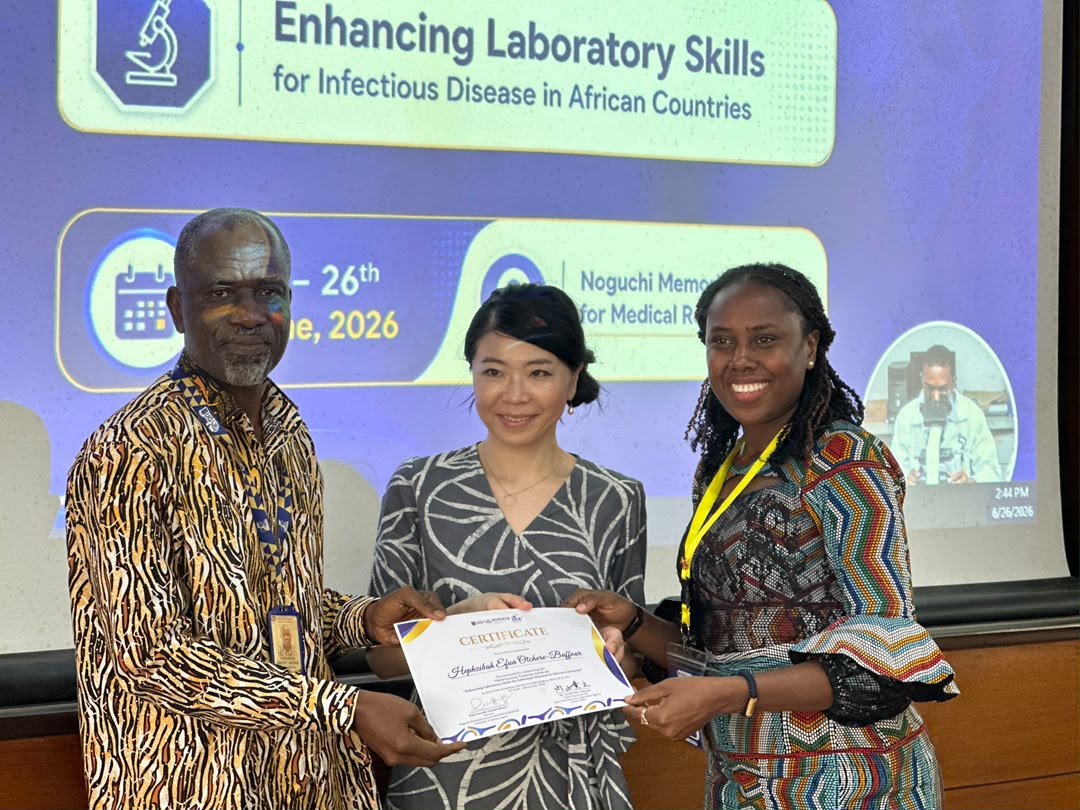
She noted that the participants had embarked on a remarkable journey of learning, professional growth and collaboration over the past eight weeks, acquiring knowledge and practical skills that would contribute significantly to improving healthcare delivery and laboratory services in their respective countries.
Ms. Miwa encouraged the participants to apply the expertise gained, share their knowledge with colleagues upon returning home and champion excellence and innovation in laboratory diagnostics. She also highlighted the value of the professional relationships established during the programme, noting that such networks would continue to support collaboration in addressing future public health challenges across the region.
Also addressing the ceremony, the Deputy Head of Mission at the Embassy of Japan in Ghana, Mr. Mitori Naoki, reaffirmed Japan’s commitment to supporting human resource development and institutional capacity through technical cooperation.
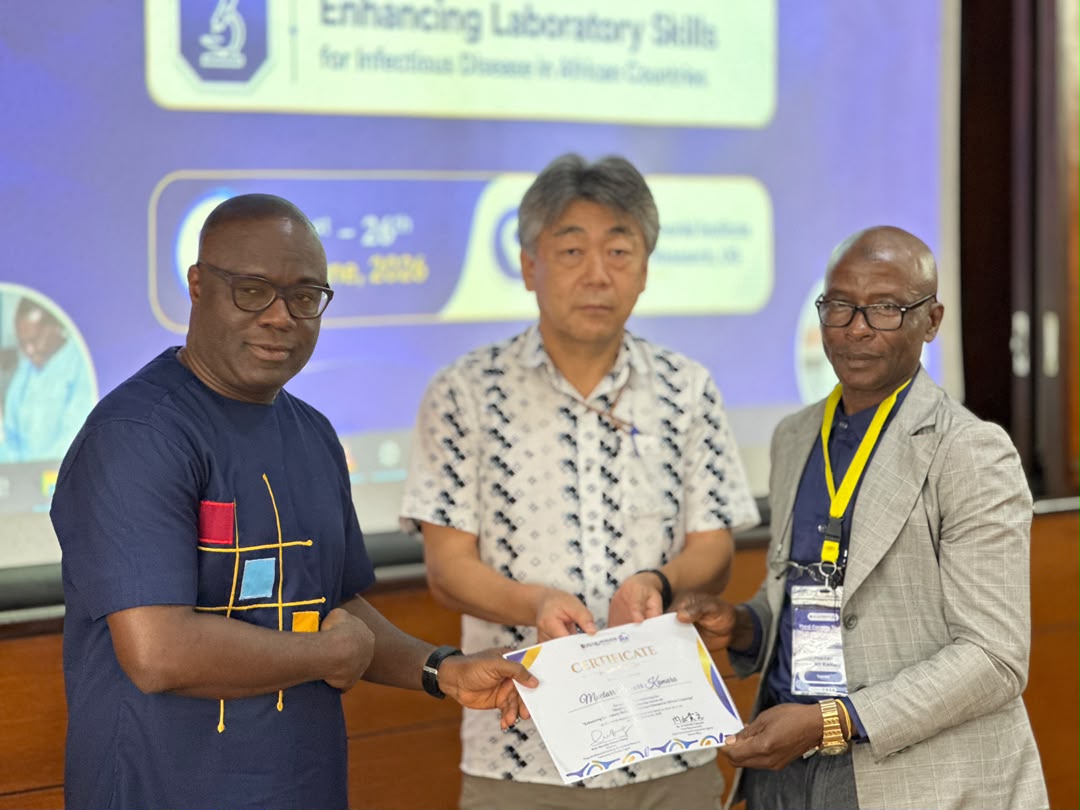
He observed that Africa continues to face emerging and re-emerging infectious disease threats including COVID-19, Ebola, Marburg and Lassa fever, making sustained investments in laboratory expertise increasingly important.
Mr. Naoki said the programme had equipped participants with new knowledge while creating valuable professional networks that would facilitate collaboration among public health institutions across Africa. He reiterated Japan's commitment to supporting partnerships that build resilient health systems and acknowledged NMIMR's longstanding contribution to medical research and public health on the continent.
Speaking on behalf of the participants, Ms. Hephzibah Efua Otchere-Baffour expressed appreciation to NMIMR, JICA and all facilitators for the comprehensive training experience.
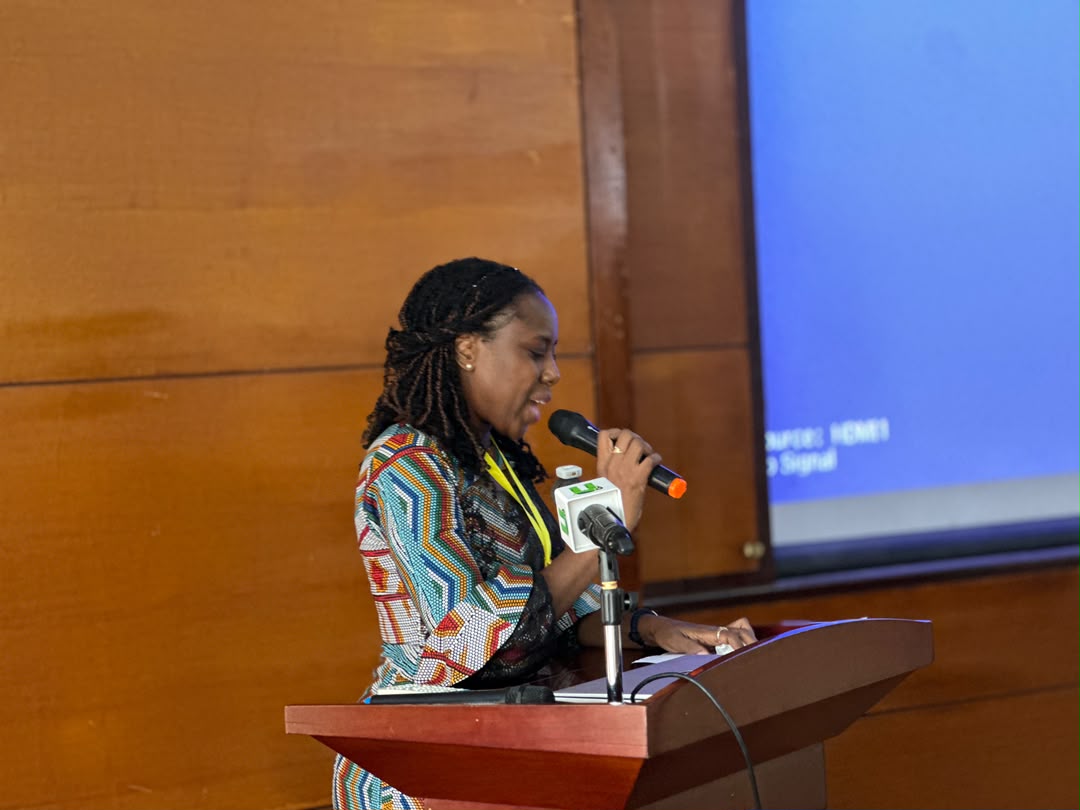
She said the programme had significantly strengthened participants' technical knowledge and practical competencies and assured organisers that the skills acquired would be applied to improve laboratory practice and healthcare delivery in their respective institutions. She also pledged that participants would share the knowledge gained with colleagues to maximise the programme’s impact.
Providing an overview of the programme, the Coordinator, Prof. Evelyn Yayra Bonney, described this year’s training as unique because it adopted a blended learning approach, beginning with four weeks of online instruction before transitioning into four weeks of intensive practical laboratory sessions at NMIMR.
She explained that although the hybrid format presented new coordination demands, it enabled participants to build a strong theoretical foundation before applying their knowledge through practical laboratory exercises under the guidance of NMIMR scientists.
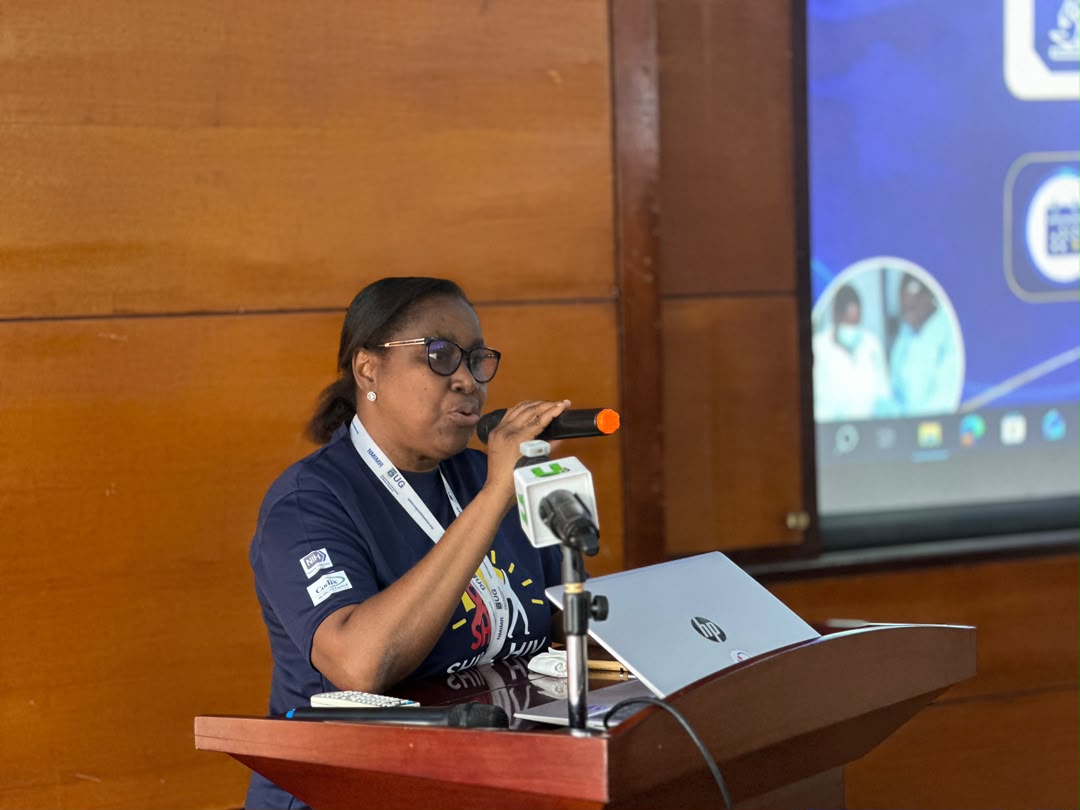
Prof. Bonney thanked the facilitators, laboratory staff and administrators whose contributions ensured the successful implementation of the programme, noting that the expertise shared would ultimately strengthen laboratory systems in the participating countries.
The NMIMR-JICA Third Country Training Programme forms part of continuing efforts to strengthen laboratory capacity and regional collaboration in infectious disease diagnosis, surveillance and outbreak preparedness, while contributing to more resilient public health systems across Africa.