Prof. Daniel Twerefou Attributes Ghana’s Environmental Decline to Weak Stewardship, Says Urgent Reforms Are Critical to Sustainable Development
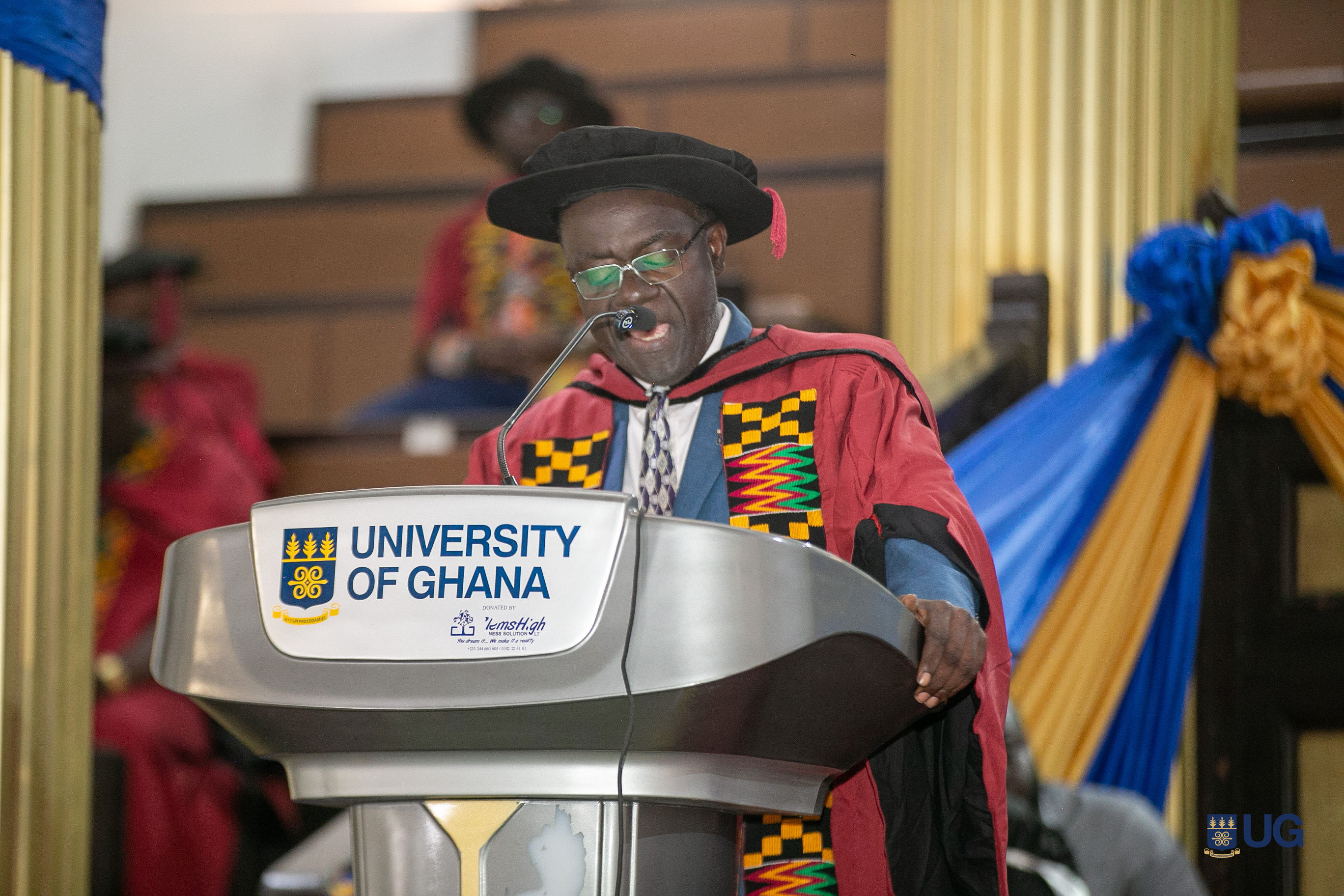
Environmental governance in Ghana has failed to keep pace with economic development, allowing deforestation, pollution, illegal mining, declining fisheries and biodiversity loss to accelerate despite decades of environmental legislation, Prof. Daniel Kwabena Twerefou has said.
Delivering his inaugural lecture at the University of Ghana on the theme, “Ghana’s Stewardship Paradox: Rich in Resources, Poor in Governance,” the Professor of Economics and Director of the Academic Quality Assurance Directorate (AQAD), Prof. Twerefou, argued that although Ghana has established environmental institutions, enacted laws and adopted international environmental commitments, weak and fragmented implementation continues to undermine sustainable development.
He maintained that Ghana's environmental challenges stem less from a shortage of natural resources than from a deficit in stewardship and governance.
Professor Twerefou observed that Ghana has gradually shifted from what he termed the “environmentalisation of the Gold Coast” to the “de-environmentalisation of Ghana.” While indigenous knowledge systems, customary institutions and traditional cultural practices once played a central role in protecting forests, rivers and other natural resources, these systems have steadily weakened over time without being adequately replaced by effective modern governance structures.
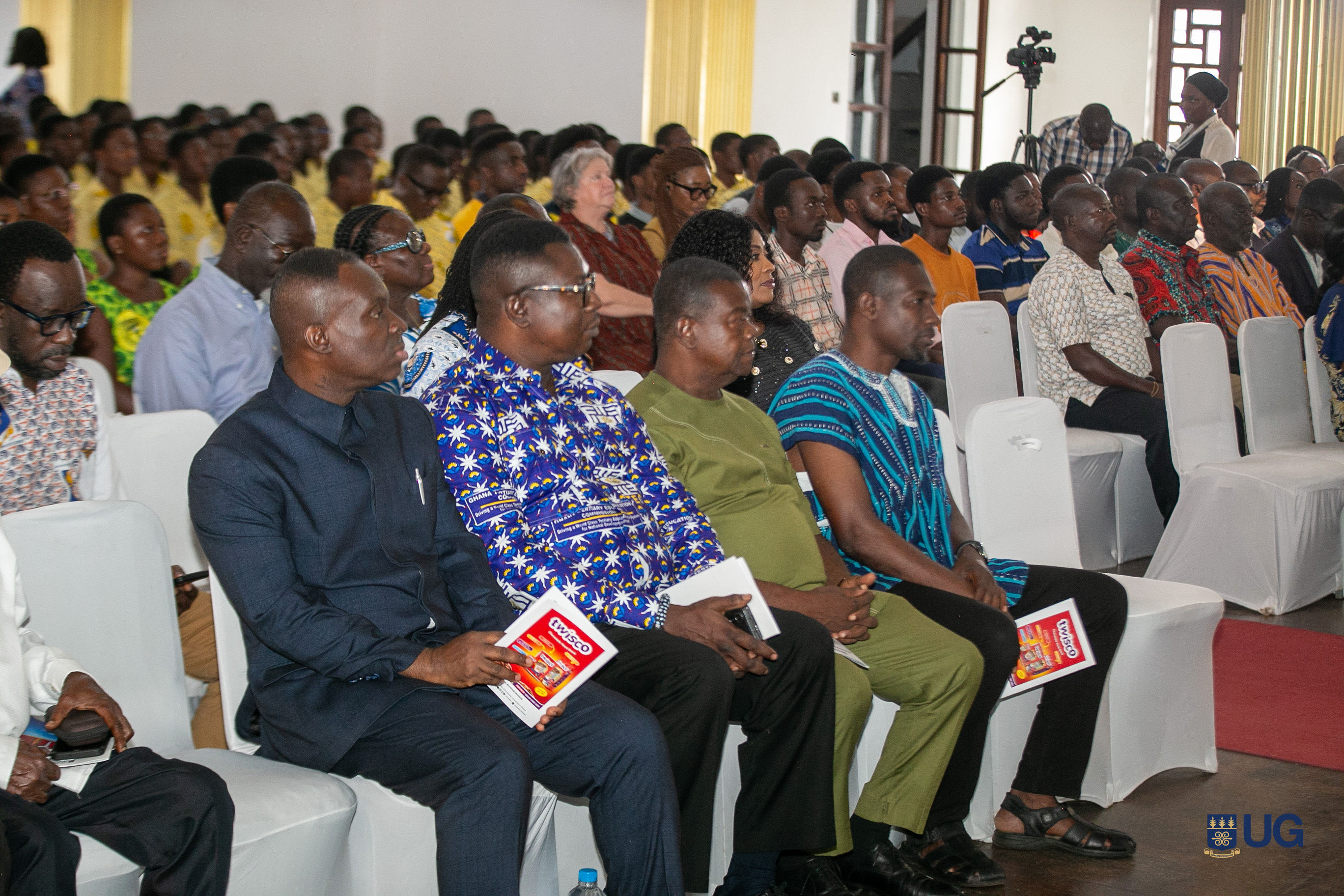
He noted that this stewardship deficit has contributed to widespread environmental degradation across several sectors. Forests continue to shrink due to unsustainable logging and land-use practices; fish stocks are declining as illegal, unreported and unregulated fishing persists; and illegal mining continues to pollute rivers, destroy farmland and degrade forest ecosystems.
Although these sectors remain vital to Ghana's economy, he argued that environmental governance has not kept pace with economic development, resulting in growing pressure on the country's natural resources.
Prof. Twerefou further warned that pollution, biodiversity loss, poor waste management and deteriorating water resources are imposing high economic and social costs on the country. Beyond their environmental consequences, he said, these challenges reduce productivity, increase healthcare expenditure, threaten livelihoods and weaken Ghana's long-term development prospects. He, therefore, urged policymakers to regard environmental stewardship as an integral component of national development rather than a stand-alone environmental concern.
Calling for urgent reforms, Prof. Twerefou advocated stronger institutional accountability, improved environmental law enforcement, natural capital accounting, effective pollution pricing mechanisms and greater investment in community-based stewardship.
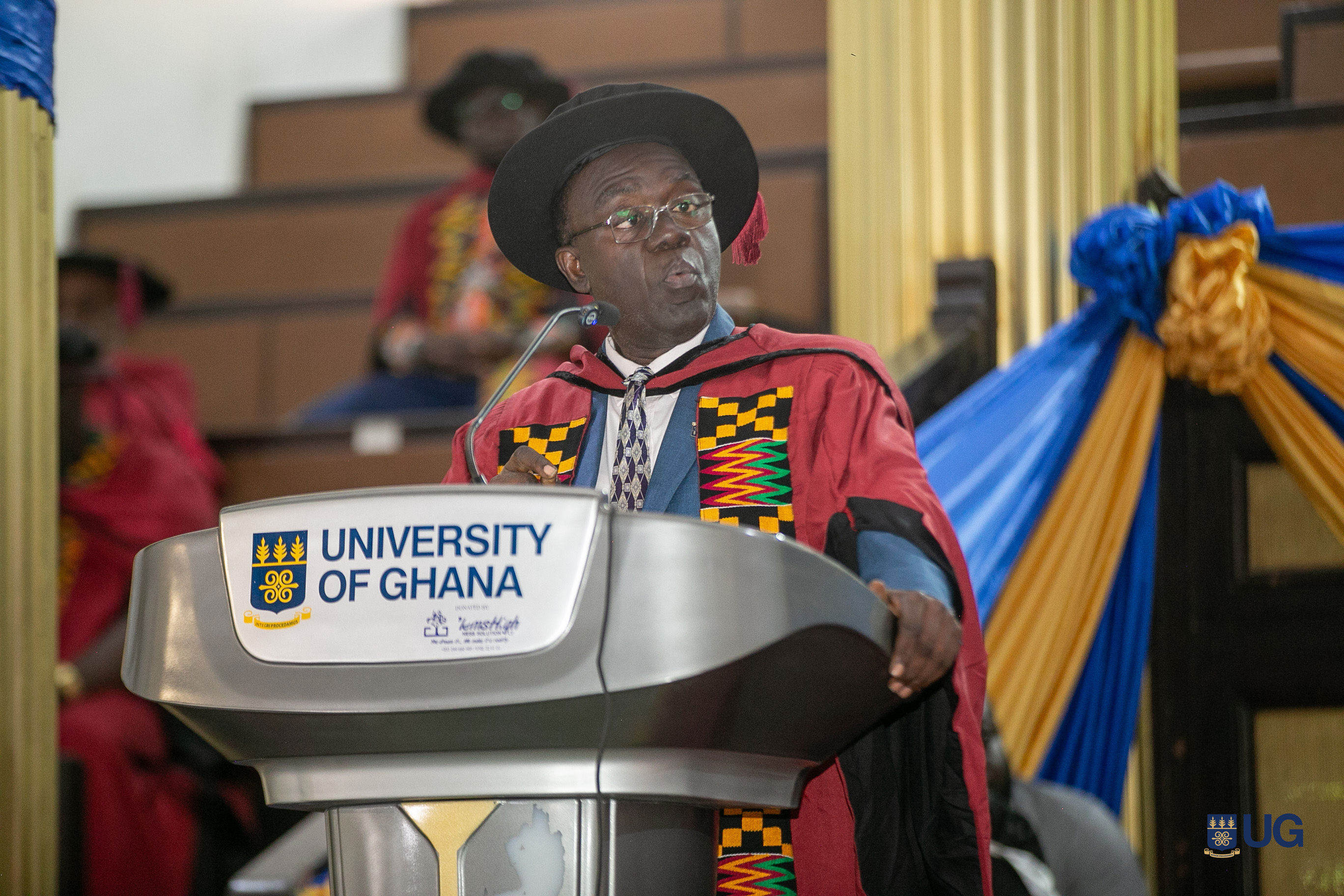
He also called for the integration of indigenous environmental knowledge into modern governance systems and increased domestic value addition in the extractive sector, stressing that Ghana's future prosperity would depend on its ability to steward its natural resources responsibly for present and future generations.
In recognition of the role the University has played in shaping his academic and professional journey and as his contribution to supporting the transformative student experience, Prof. D. K. Twerefou announced the establishment of the Prof. D. K. Twerefou Best Environment and Natural Resource Economics Student Award in the Department of Economics. The award, valued at GH¢100,000, will recognise and support outstanding students in the field.
Chairing the inaugural lecture, the Vice-Chancellor, Prof. Nana Aba Appiah Amfo, described Professor Twerefou’s presentation as both timely and thought-provoking, noting that it raises important questions about the relationship between environmental stewardship, governance and national development.
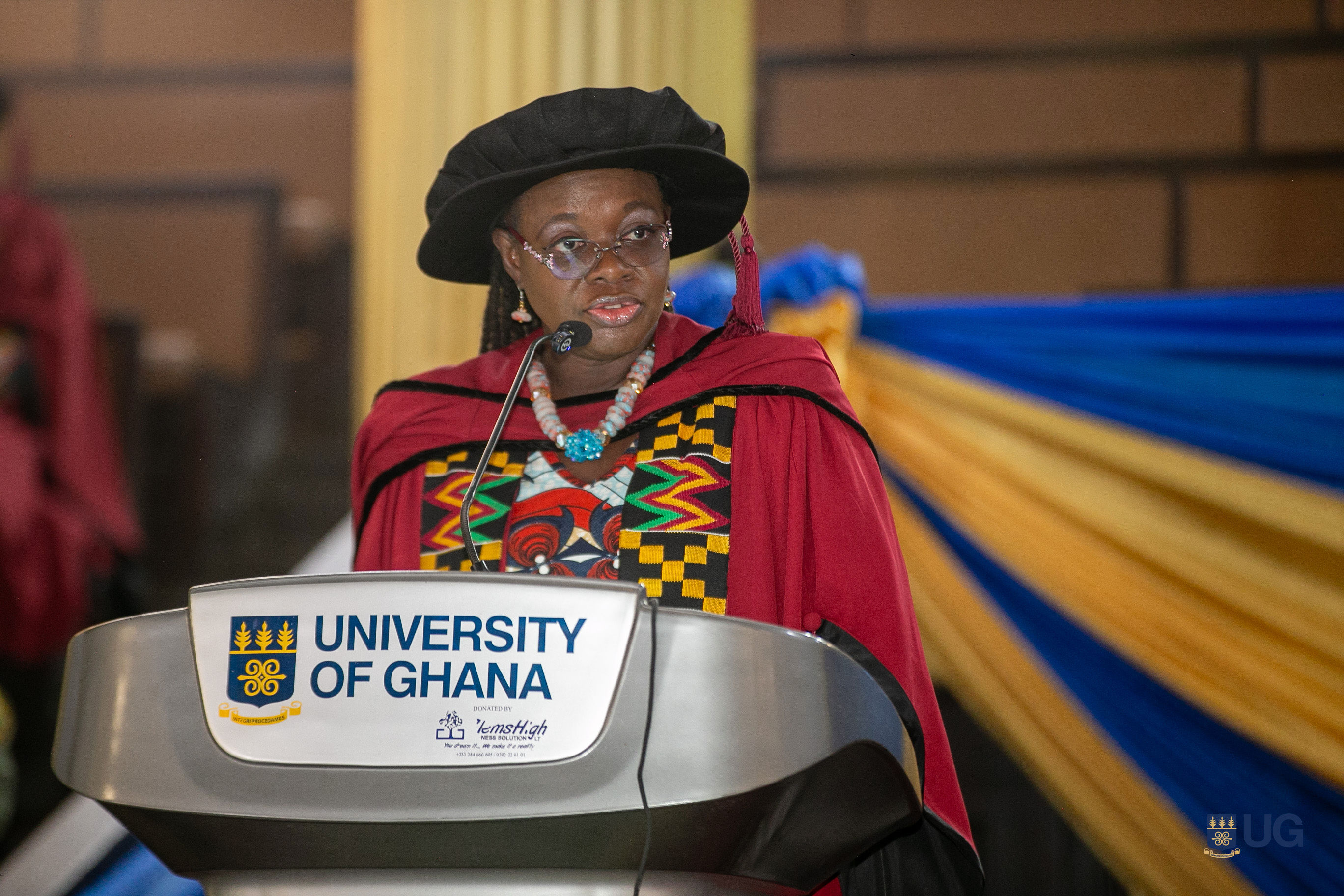
She observed that inaugural lectures remain one of the University’s cherished academic traditions, providing newly promoted professors with an opportunity to share their research with the wider public while demonstrating the University’s commitment to Impactful Research, the second strategic priority of the University of Ghana Strategic Plan (2024-2029).
She also highlighted Professor Twerefou’s distinguished contributions to teaching, research, policy engagement and institutional leadership in environmental and natural resource economics.
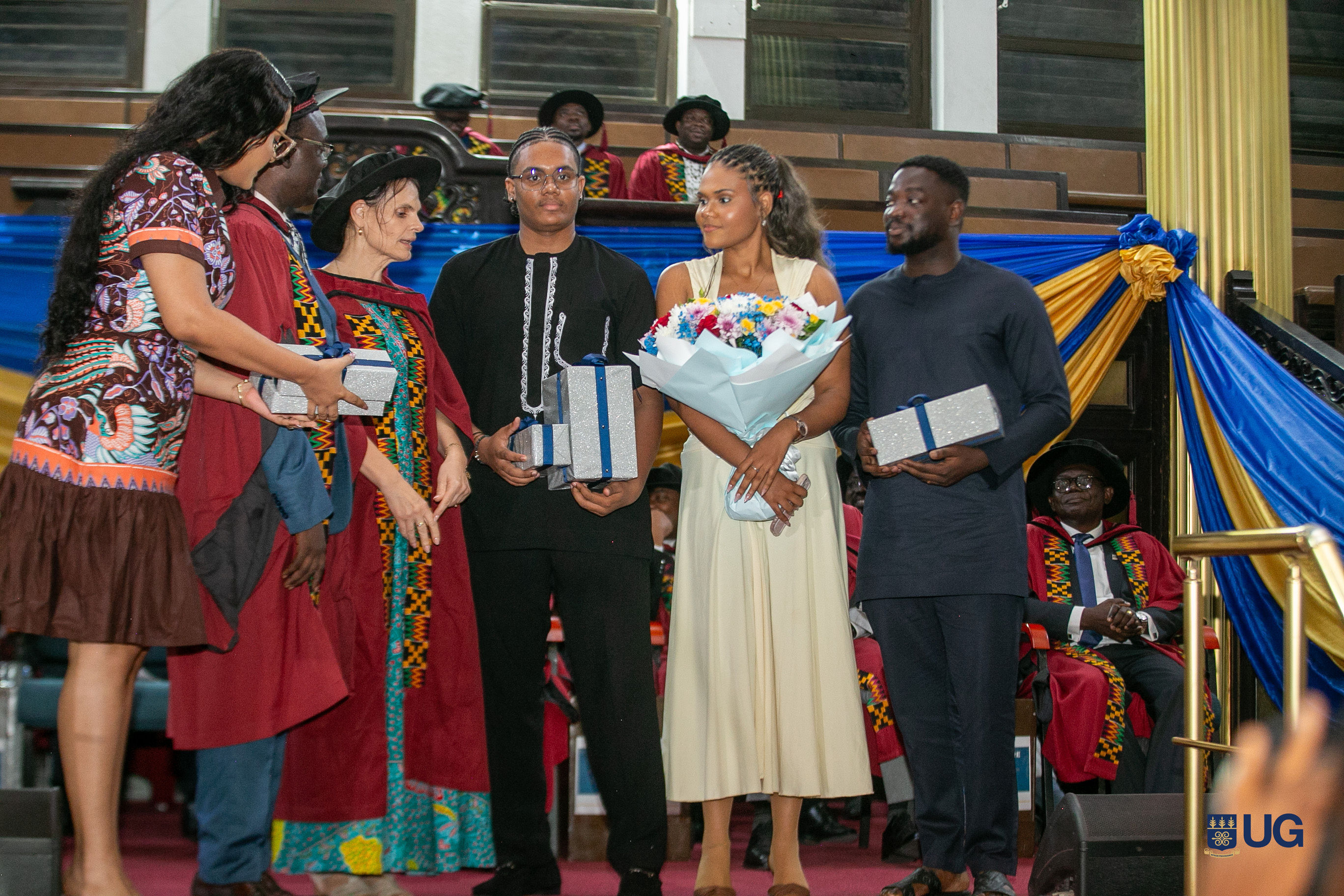
Following the lecture, Prof. Twerefou received presentations from various units and associates, including the College of Humanities, the School of Social Sciences, the Academic Quality Assurance Directorate, the Department of Economics and his family in recognition of his promotion to the rank of Professor and his contributions to scholarship, research and service.
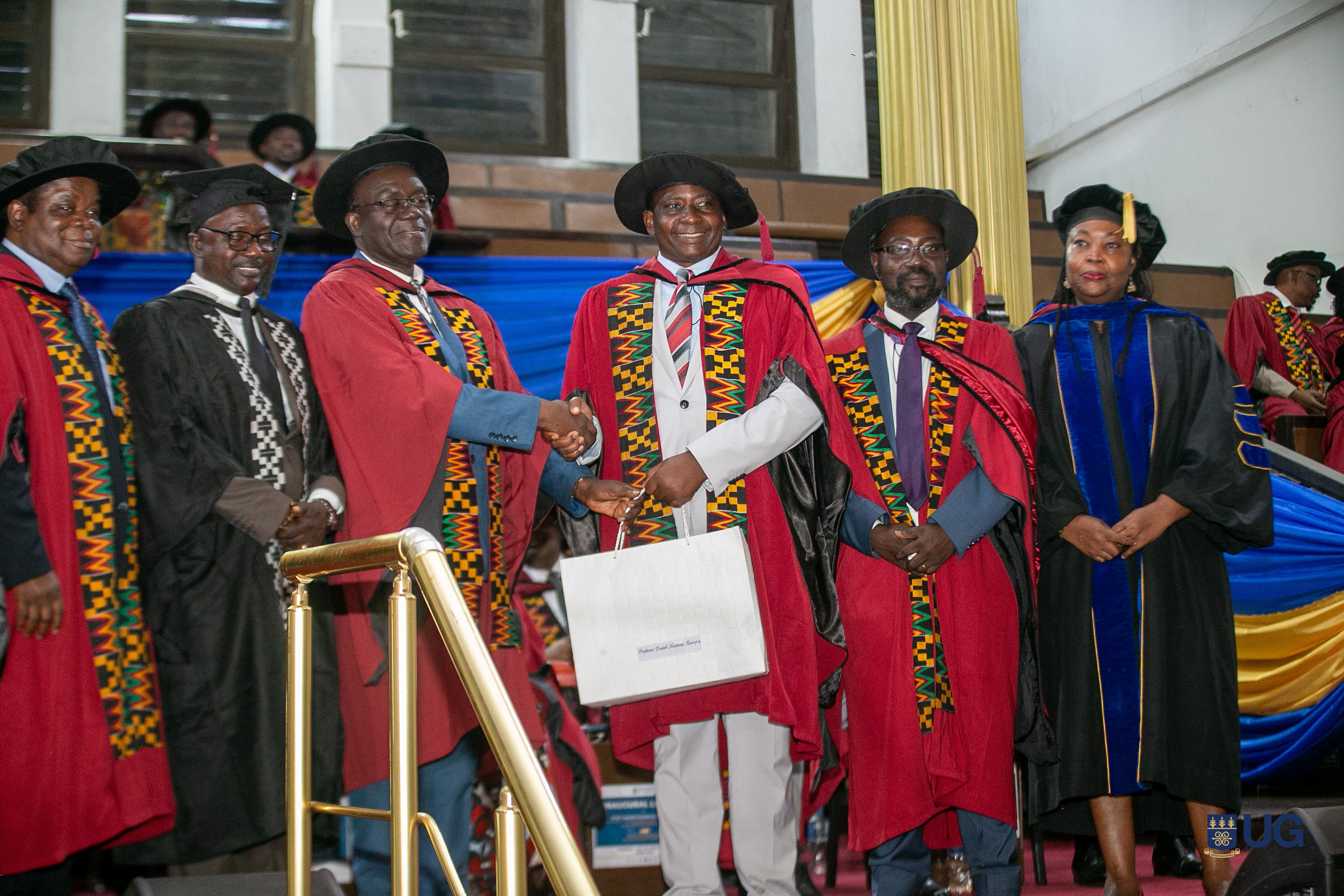
He also received a commemorative package from Promasidor Ghana, the official beverage sponsor of the University's inaugural lecture series.

Activities marking his inaugural lecture also featured a week-long exhibition of his scholarly works, organised by the University of Ghana Library System (UGLS) at the Balme Library, showcasing his contributions to research, teaching and public policy.