UG and Energy Commission Deepen Partnership to Promote Energy Efficiency
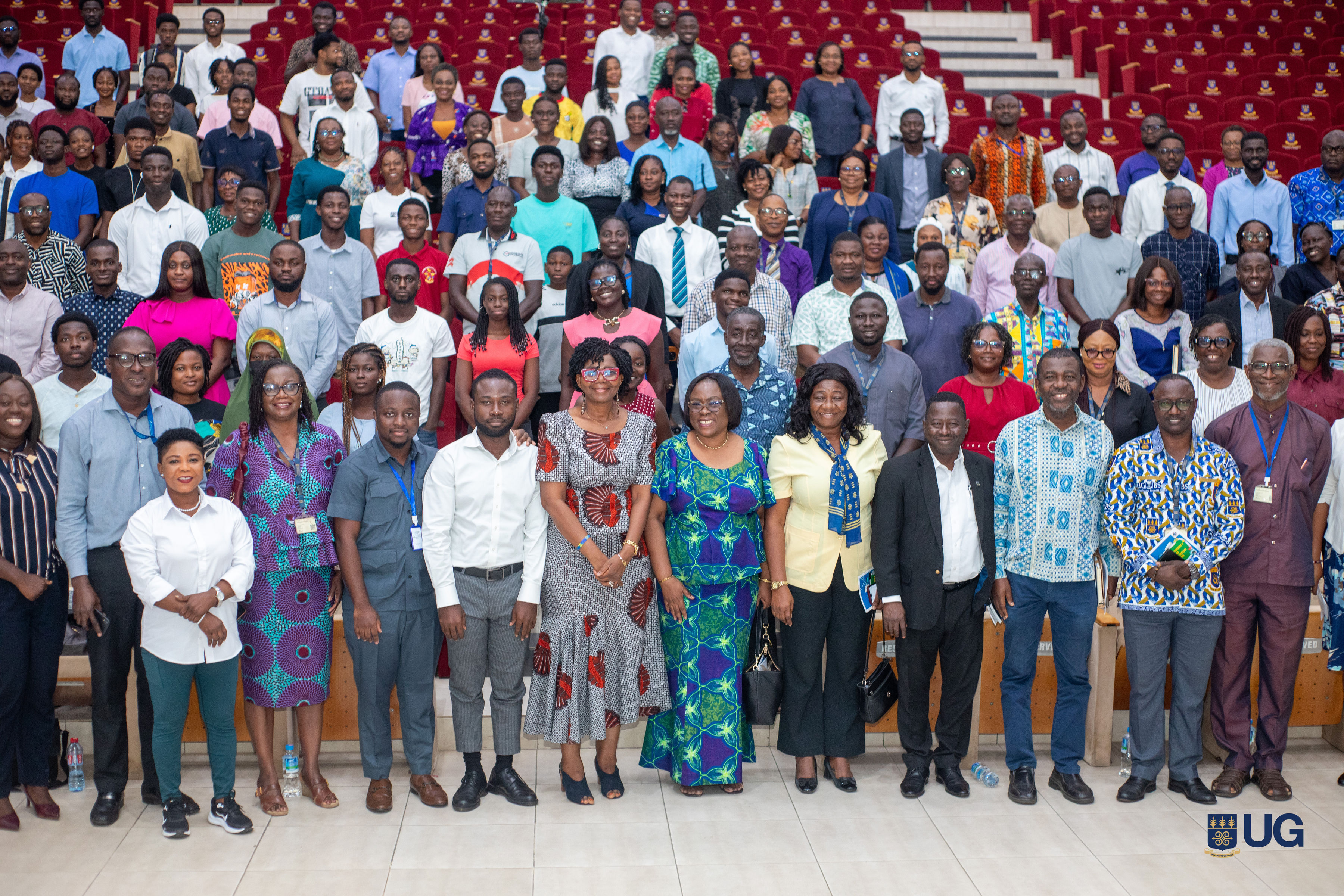
The University of Ghana in partnership with the Energy Commission, has organised an energy efficiency sensitisation programme to educate staff and students on practical ways to reduce electricity consumption and support Ghana's climate action agenda.
The programme, held as part of the University's commitment to sustainable resource management and stewardship, equipped participants with practical knowledge on energy conservation, efficient appliance use and energy auditing, while encouraging behavioural changes to reduce electricity costs across the University community.

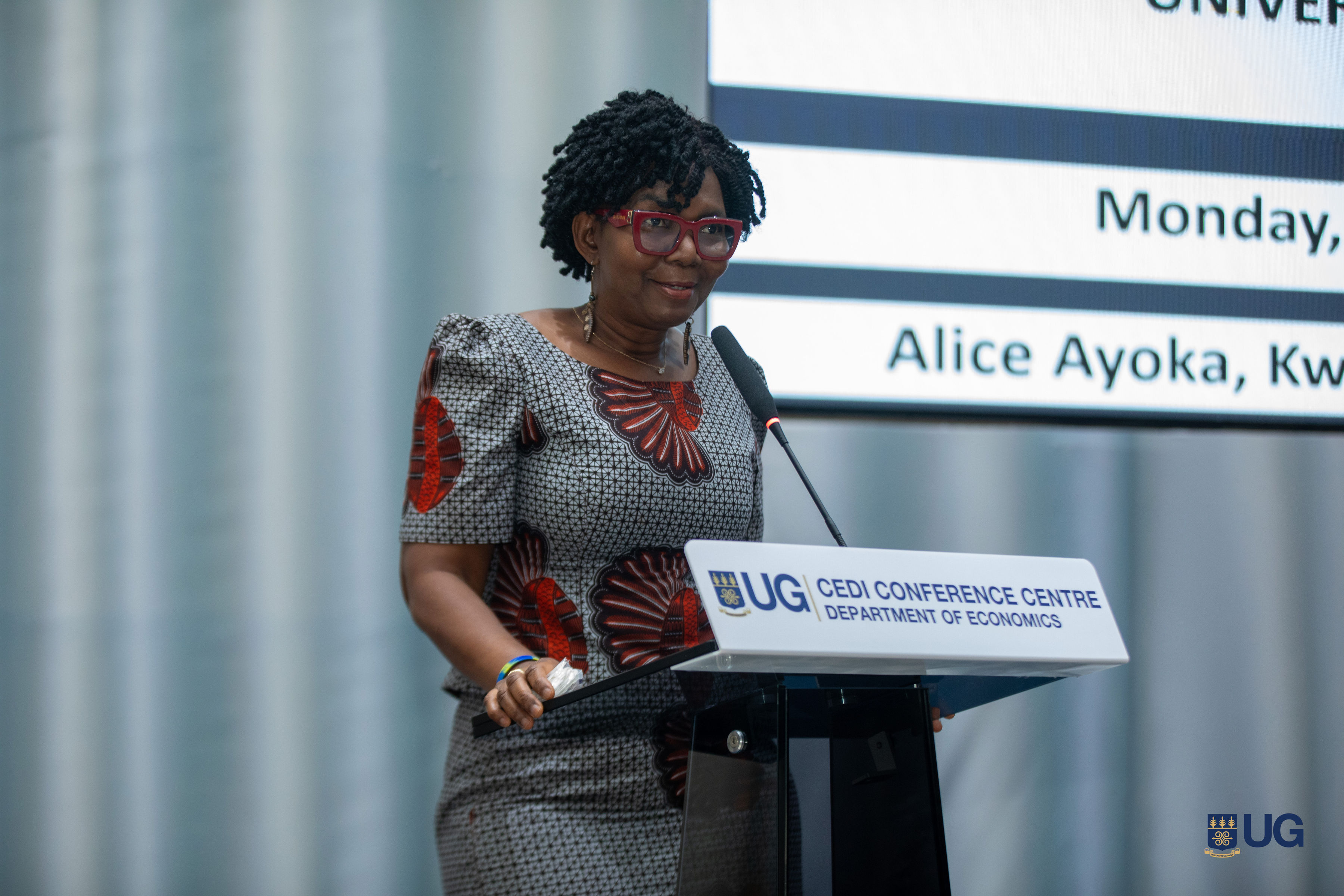
Opening the presentations, the Manager in charge of Energy Efficiency Regulation at the Energy Commission, Ms. Alice Ayoka, urged participants to embrace what she described as "small changes with big gains" in reducing electricity consumption. She encouraged staff and students to adopt simple energy-saving practices, including switching to LED lighting, servicing electrical appliances regularly, using air conditioners efficiently and purchasing energy-efficient refrigerators and other appliances.
She also highlighted Ghana's Energy Transition Framework, stressing that energy efficiency is central to achieving the country's net-zero emissions target and encouraged educational institutions to establish energy management teams to champion conservation efforts.
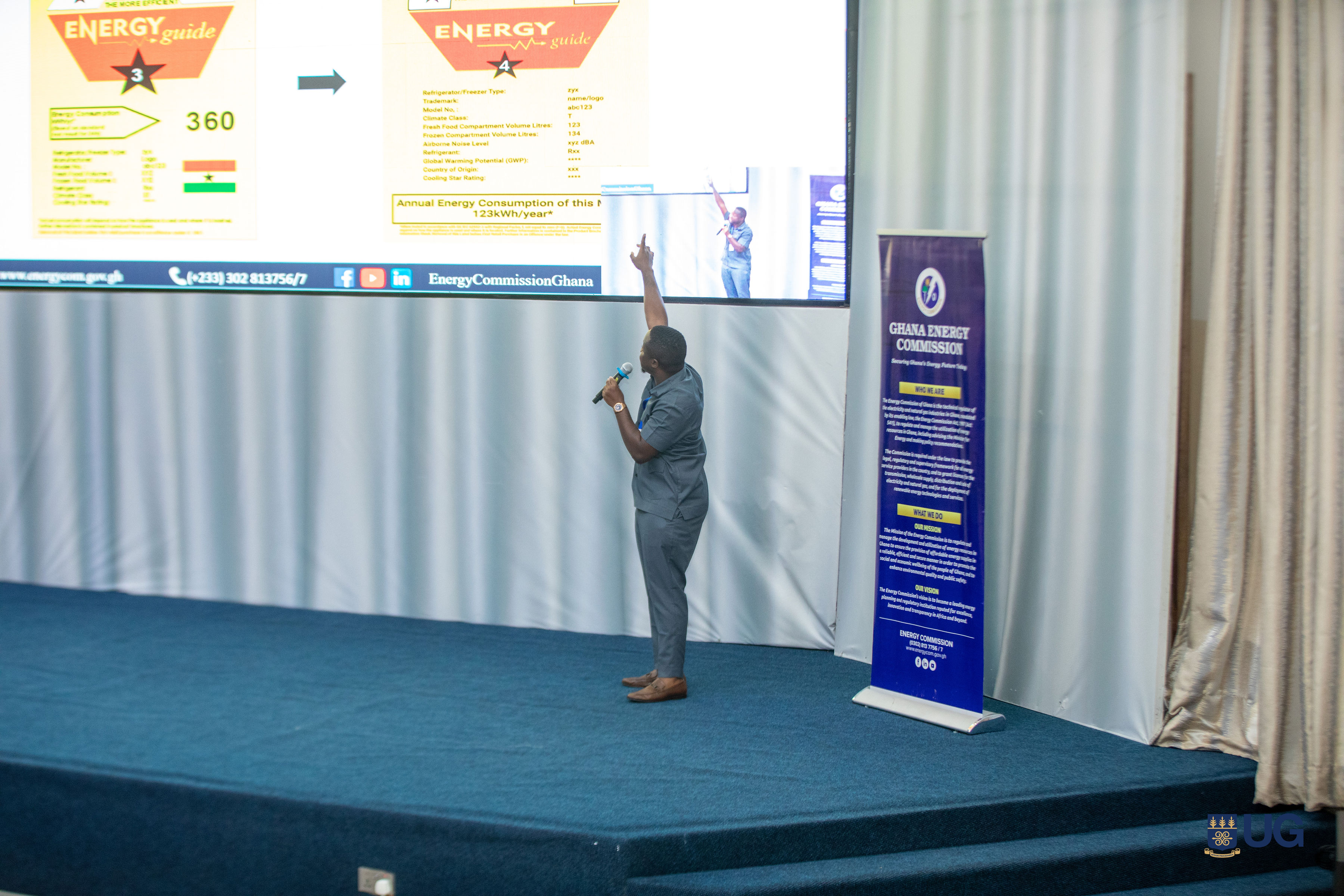
The second presentation, delivered by Mr. Kyei of the Energy Commission, focused on appliance standards and consumer awareness. He educated participants on the Commission's mandatory yellow energy efficiency label, explaining that it enables consumers to identify and purchase energy-efficient appliances. He advised consumers to verify the authenticity of the labels by scanning the embedded QR codes using the Energy Commission's mobile application and cautioned against purchasing appliances that do not carry the approved energy guide label. He noted that selecting highly rated appliances can significantly reduce electricity consumption and lower household energy costs.
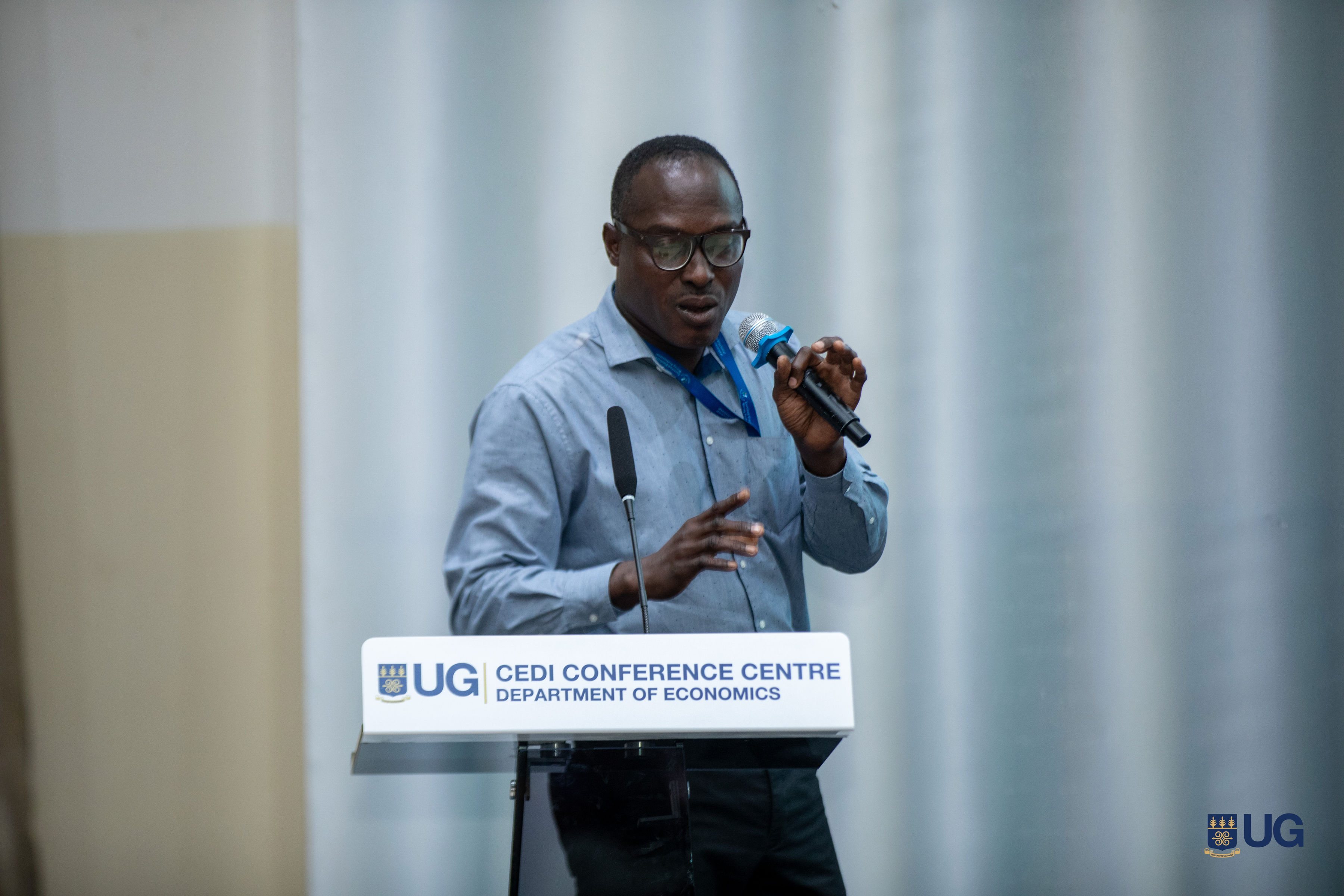
On his part, Ing. Roger Okai from the Commission also introduced participants to energy auditing, describing it as an important tool for understanding and managing electricity consumption in homes and institutions. He demonstrated how electricity consumption and bills are calculated, explained the different types of energy audits, and encouraged participants to identify areas of energy waste and adopt measures to improve efficiency. He also advised against leaving appliances on standby. Again, he highlighted government renewable energy initiatives, including the Sustainability Energy Action Plan (SEAP) and the Accelerating Solar Action Plan (ASAP), which seek to expand access to clean and affordable solar energy across the country.
Registrar, Mrs. Emelia Agyei-Mensah, commended the Energy Commission team for the insightful presentations, describing the session as highly beneficial. She mentioned that the programme aligns with the University's fifth strategic priority, Sustainable Resource Mobilisation and Stewardship, stressing that reducing energy consumption is critical as the University continues to struggle with rising electricity costs across its halls of residence, offices and other facilities.
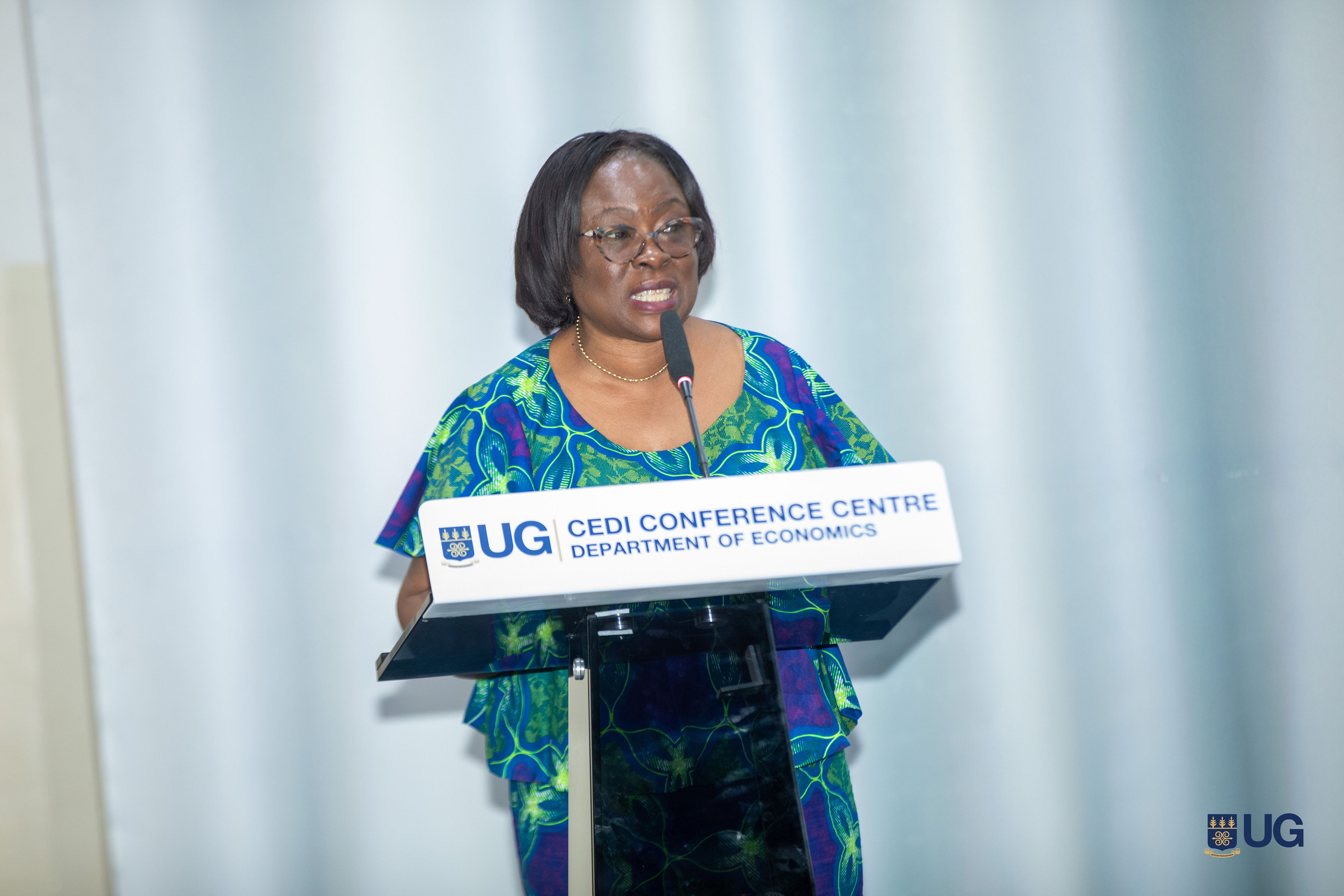
She encouraged staff and students to champion energy conservation in their offices, residences and study spaces, establish energy management teams where possible and undertake simple energy audits to identify opportunities for savings.