AHA Conference Underscores Need to Make African Humanities Relevant in the AI Era
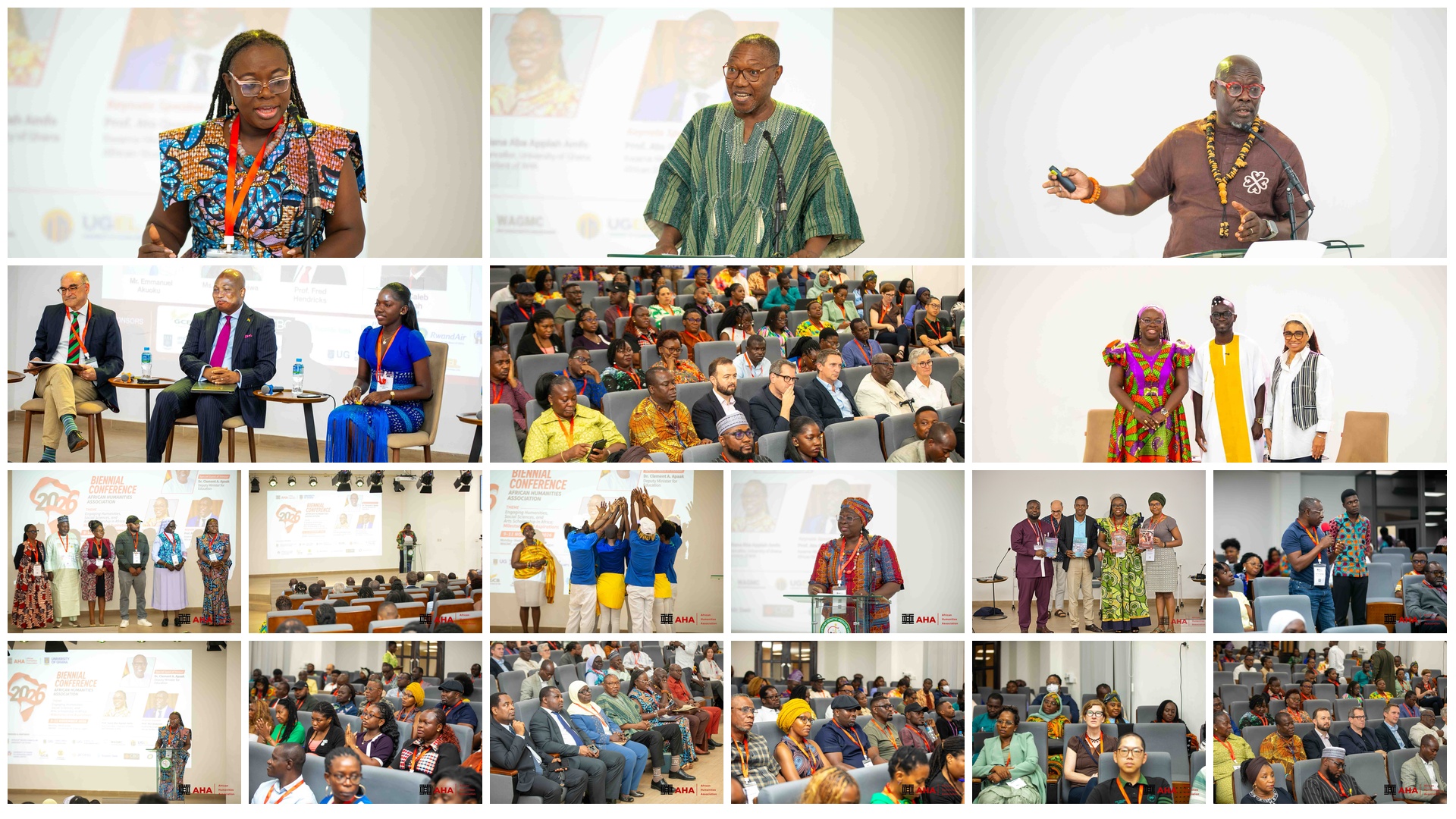
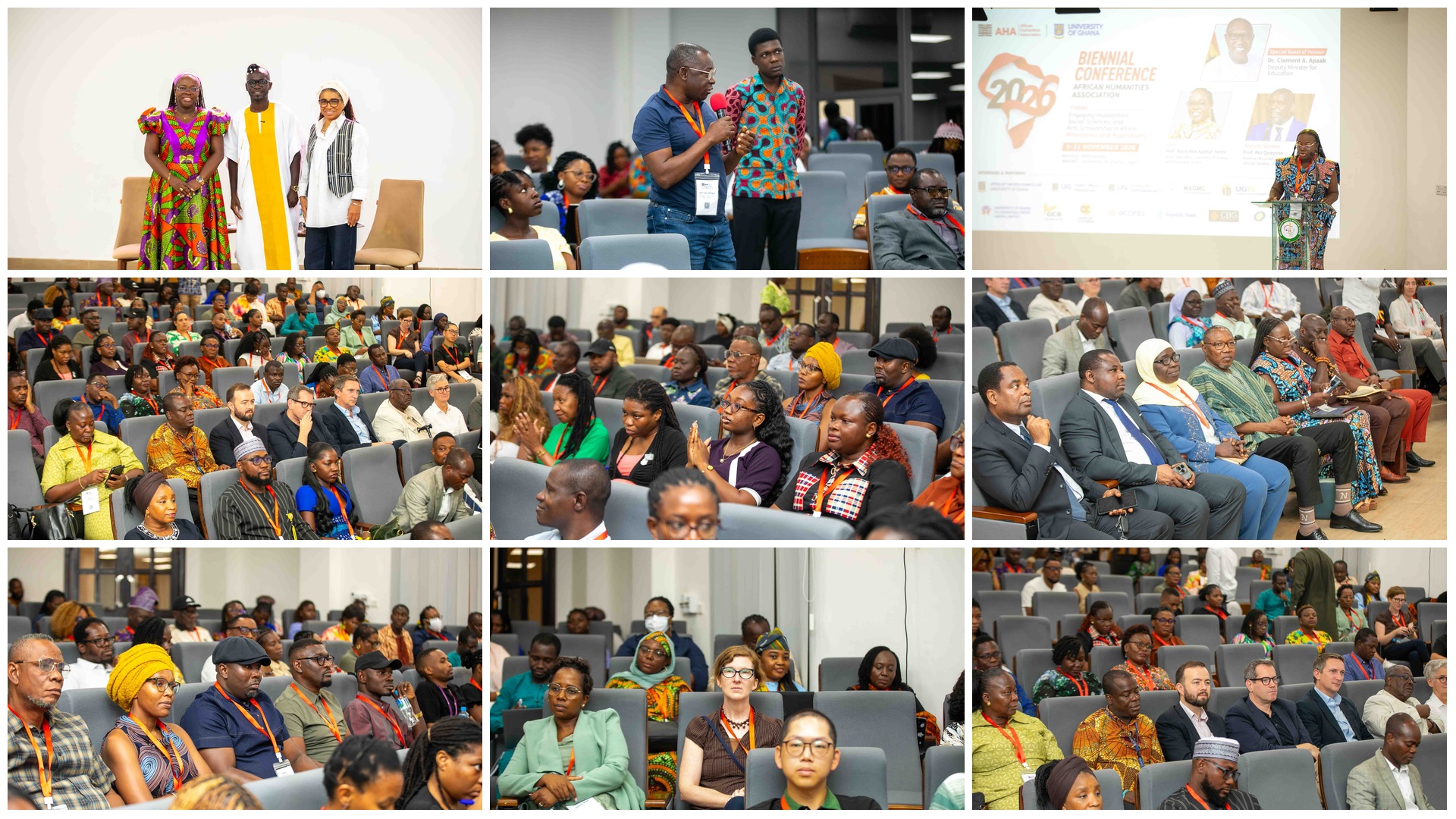
Speakers at the 2026 Biennial Conference of the African Humanities Association (AHA) at the University of Ghana (UG) have called for humanities scholarship that crosses disciplinary boundaries and serves society, as artificial intelligence (AI) transforms how knowledge is produced and shared.
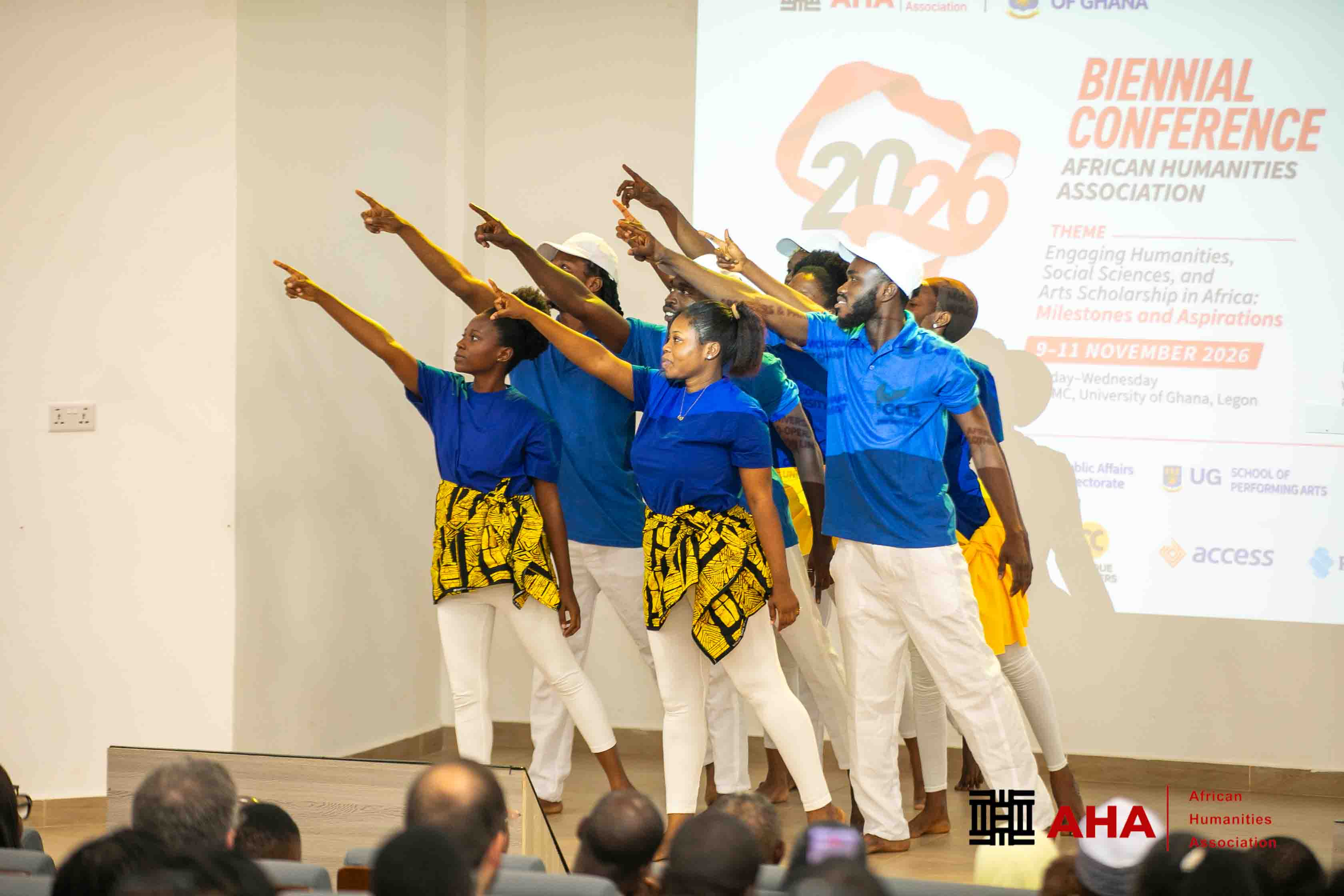
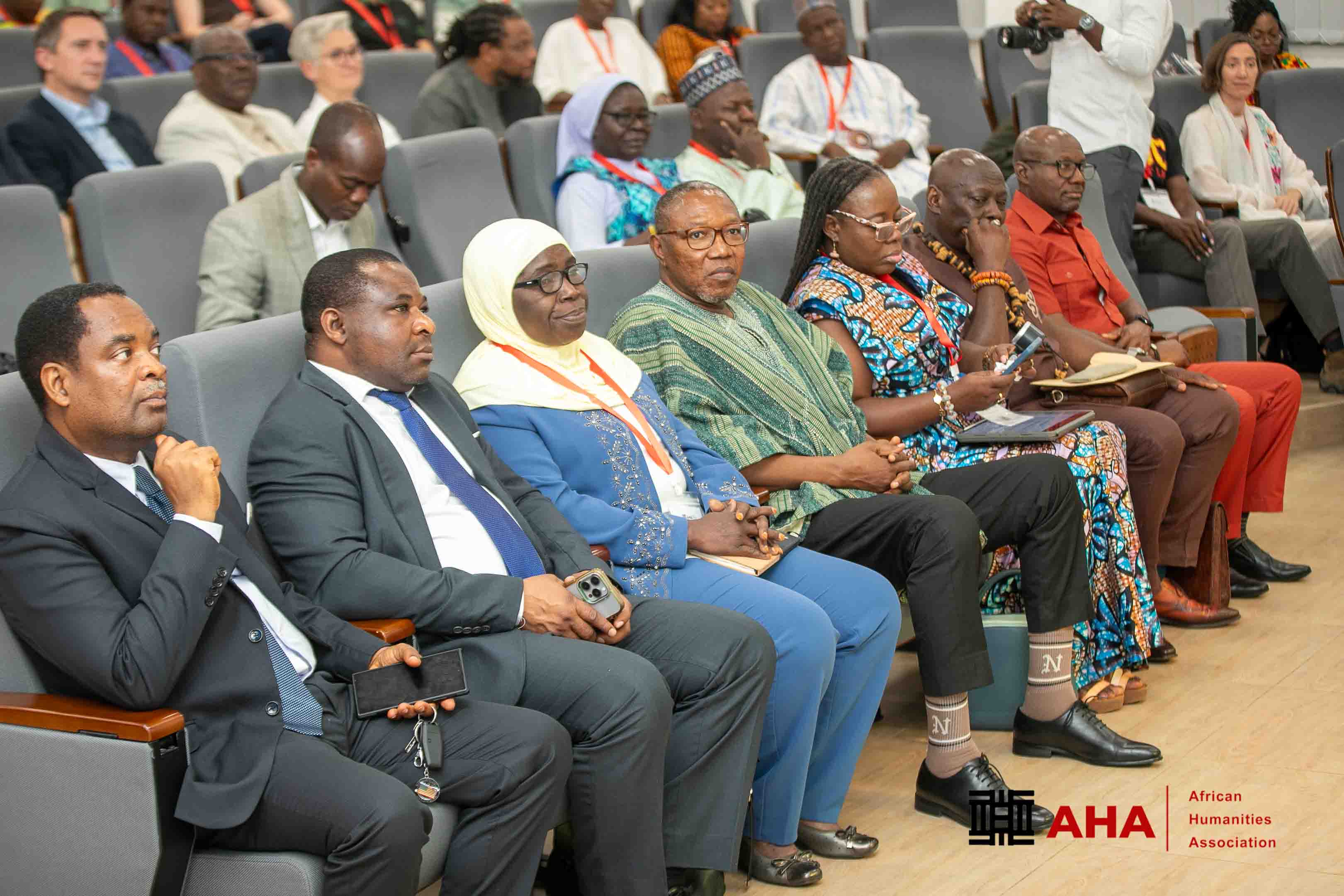
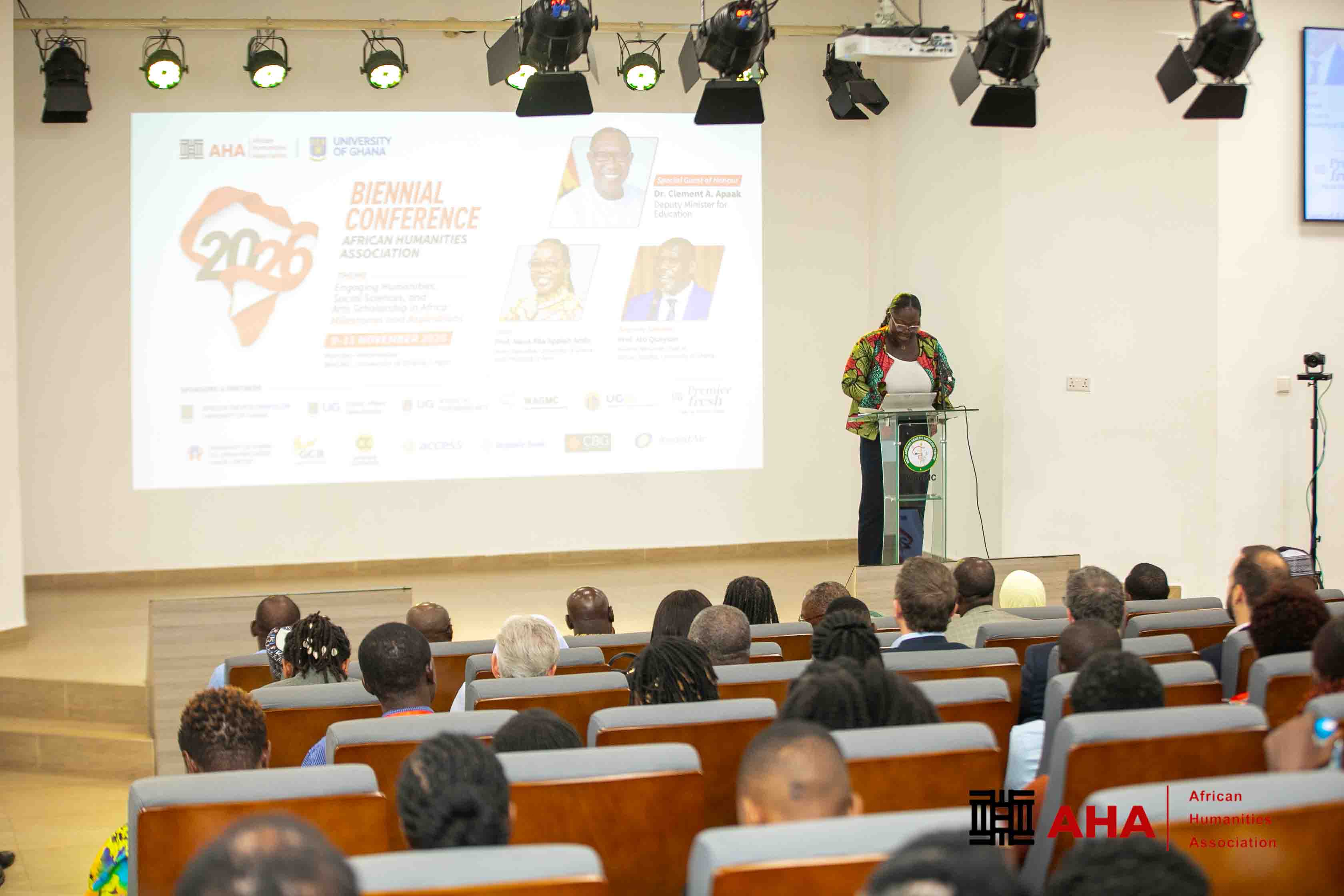
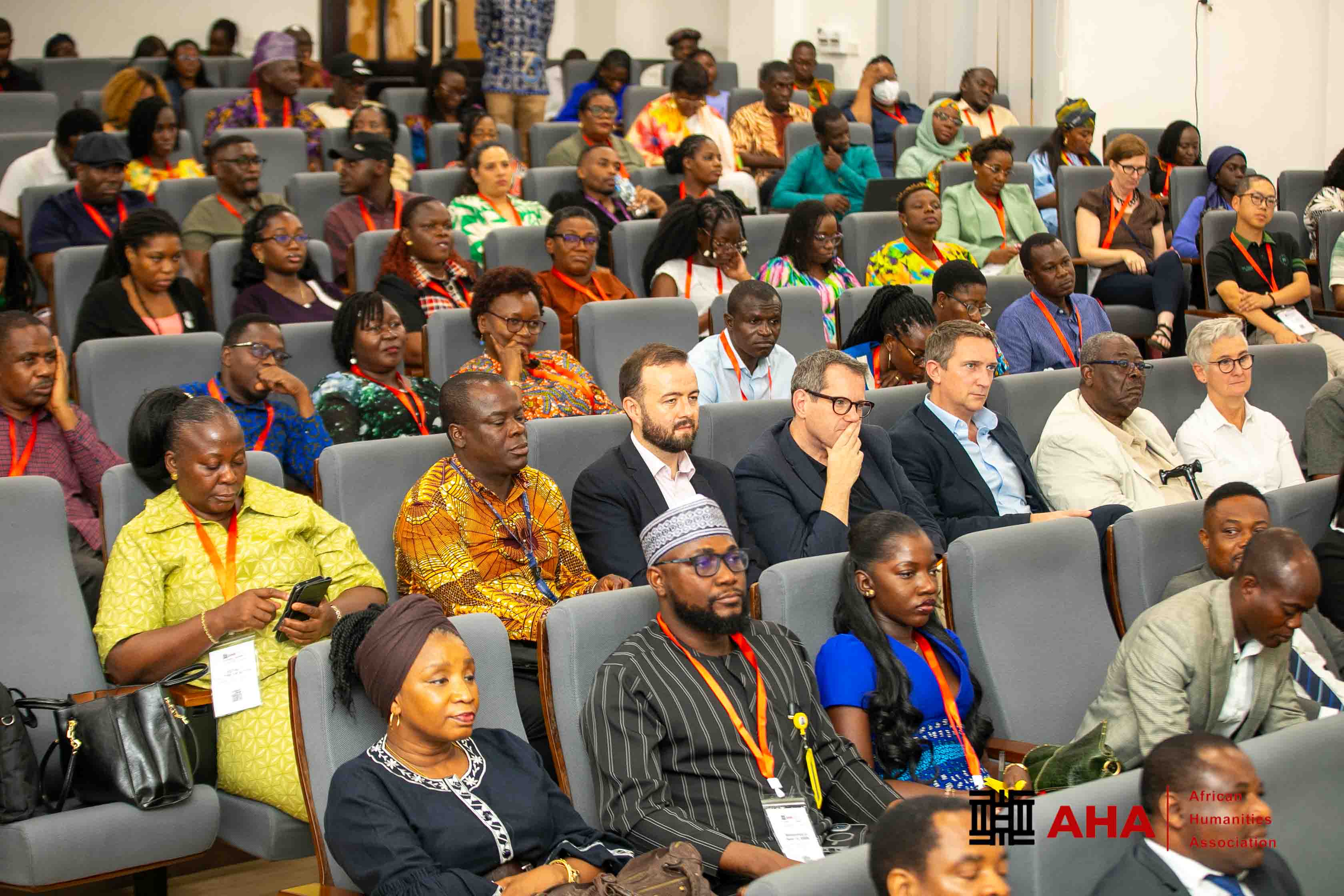
The three-day conference, on the theme “Engaging Humanities, Social Sciences and Arts Scholarship in Africa: Milestones and Aspirations”, brought together scholars, artists and cultural practitioners from across Africa and beyond at the West African Genetic Medicine Centre (WAGMC), UG.
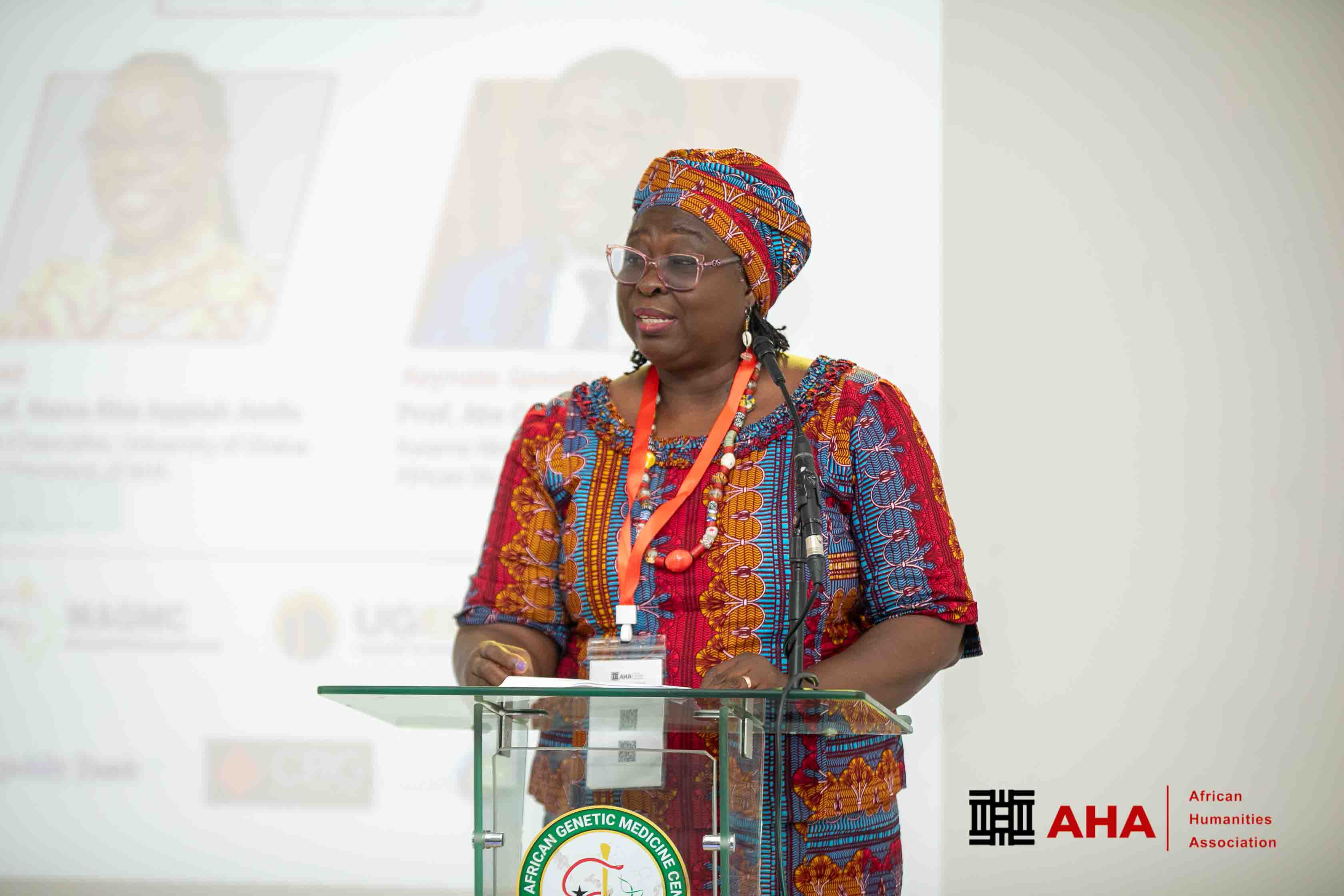
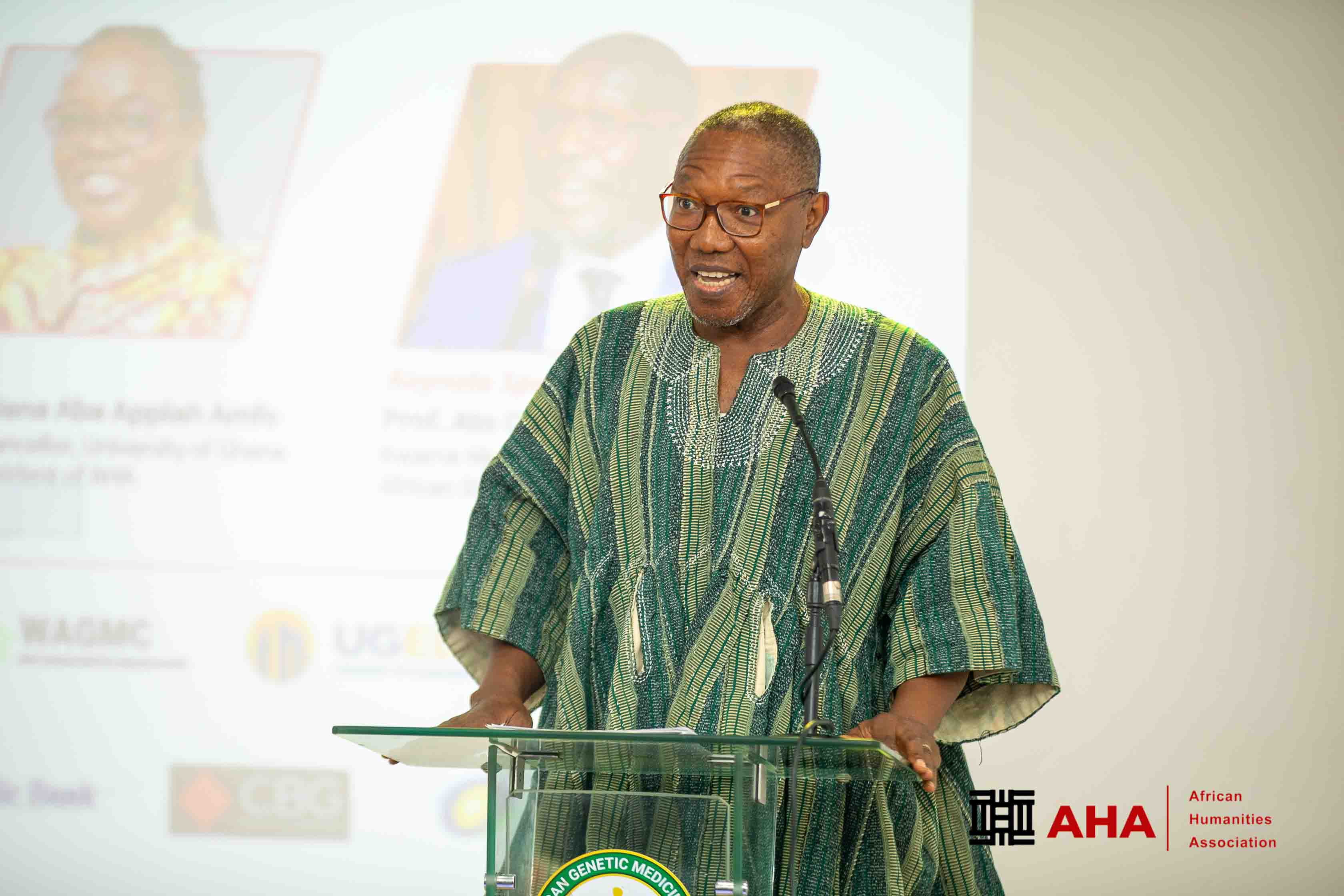
In her welcome address at the opening ceremony, the Vice-Chancellor of UG and President of the AHA, Prof. Nana Aba Appiah Amfo, said the theme invites scholars to look both backwards and forward, to celebrate the contributions of African scholars to global knowledge and to reflect on the futures they wish to create.
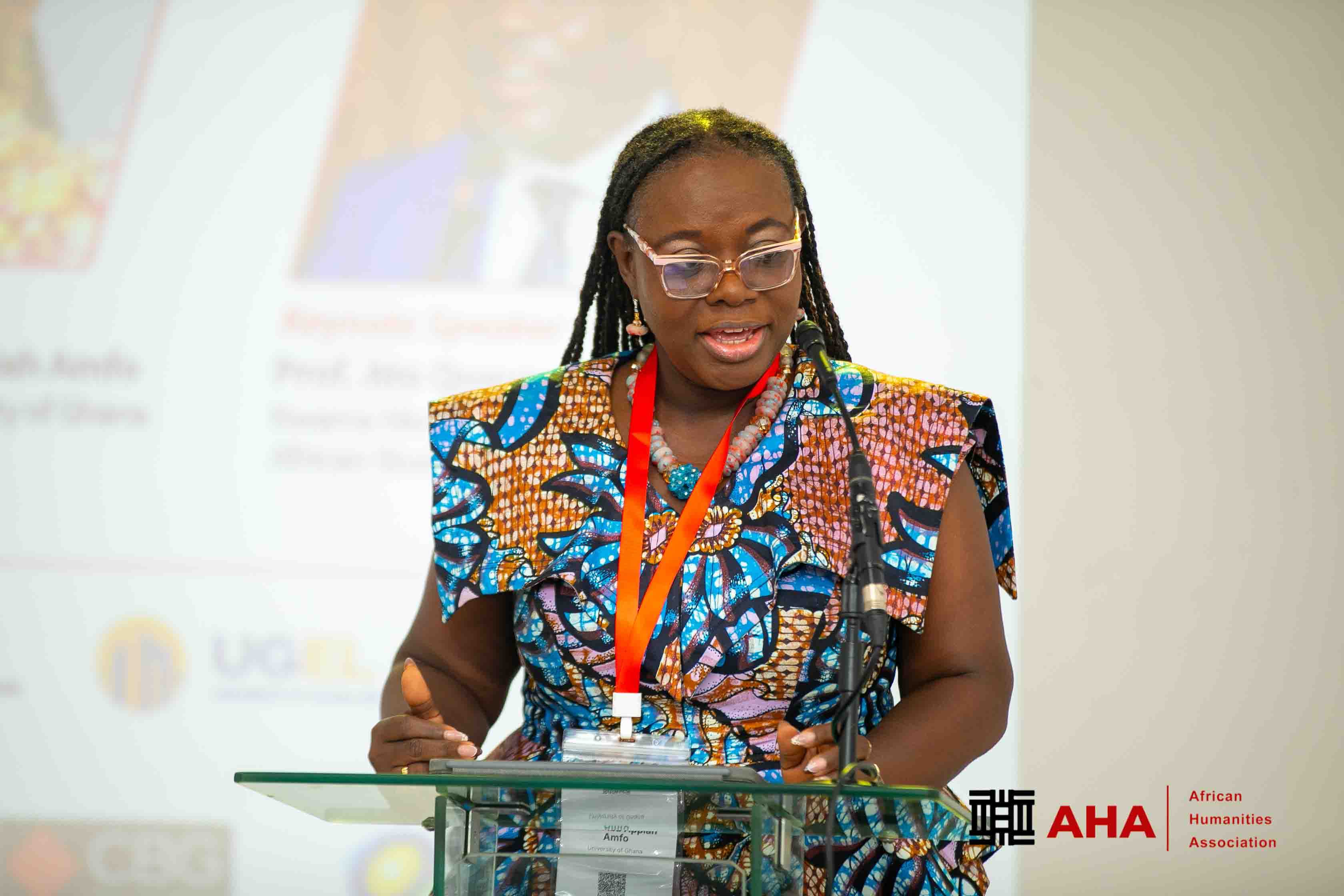
She noted, however, that the work remains unfinished. African scholarship, she said, continues to face inequalities in research funding, publishing opportunities, international visibility and the recognition of African knowledge systems. She urged participants to produce excellent scholarship and to ensure that African knowledge contributes meaningfully to the shaping of societies on the continent and beyond.
On AI, the Vice-Chancellor said some may question the relevance of the humanities, but she argued the opposite. “The more technologically advanced our world becomes, the more urgently we need the humanities,” she said. She explained that questions of meaning, ethics, identity, justice, culture and human dignity cannot be reduced to computational efficiency.
For Africa, she said, these questions are particularly consequential, as emerging technologies may deepen existing inequalities in global knowledge production. She called for scholarship that will help shape technological futures that recognise African languages, cultural contexts and intellectual traditions. She stressed that the humanities, social sciences and arts are not peripheral to the development of Africa but are essential to defining what development means, for whom it is pursued and how its benefits are shared.
Prof. Amfo explained that the conference was deliberately designed to bring together academic scholarship, intergenerational conversations, creative expression and public dialogue. The programme featured a Time with the Sages session with Emeritus Prof. Kwesi Yankah, a plenary with the musician Okyeame Kwame and a special panel on xenophobia, Afrophobia and African solidarity. On the panel, she said, “We must be prepared to confront uncomfortable questions about how we treat one another as Africans, even as we advocate greater continental integration.”
She also highlighted two AHA initiatives. The first is the Enhancing Humanities Research in Africa (EHURA) Project, which supports emerging scholars through fellowships, mentorship and publishing opportunities. The second is the African Humanities Book Awards, developed with the support of the Open Society Foundations.
The Special Guest of Honour, the Deputy Minister for Education, Hon. Dr. Clement Abas Apaak, described his visit as a homecoming. He recalled that he took his first degree at UG and later served at the University as a lecturer, adding that the University shaped his thinking.
Dr. Apaak said he had come to know the humanities in three ways, as a student formed by scholarly enquiry, as an educator entrusted with the nurture of curiosity and as an archaeologist who seeks to understand the human past. He noted that the history of a people is preserved not only in written accounts but also in landscapes, settlements, artefacts and cultural practices.
He traced the growth of the AHA from the African Humanities Program, established in 2008 with the support of the Carnegie Corporation of New York, which supported more than 500 early-career scholars in Ghana, Nigeria, South Africa, Tanzania and Uganda. He described the founding of the Association in 2020 as a mark of scholarly ownership and institutional maturity and welcomed the launch of its journal, African Humanities Inquiry, at the conference.
The Deputy Minister urged scholars to take their work beyond journals and conference proceedings into classrooms, public debates, cultural institutions and the evidence that informs policy. He also encouraged established scholars to remain generous with their expertise and to keep opening doors for the next generation.
The keynote speaker, Prof. Ato Quayson, Kwame Nkrumah Chair in African Studies at UG, spoke on “Interdisciplinarity and Boundary Crossings in the Humanities in Africa”. He distinguished instrumental interdisciplinarity, which brings disciplines together to solve real-world problems such as public health crises, from synoptic interdisciplinarity, which creates new fields and theories across disciplines.
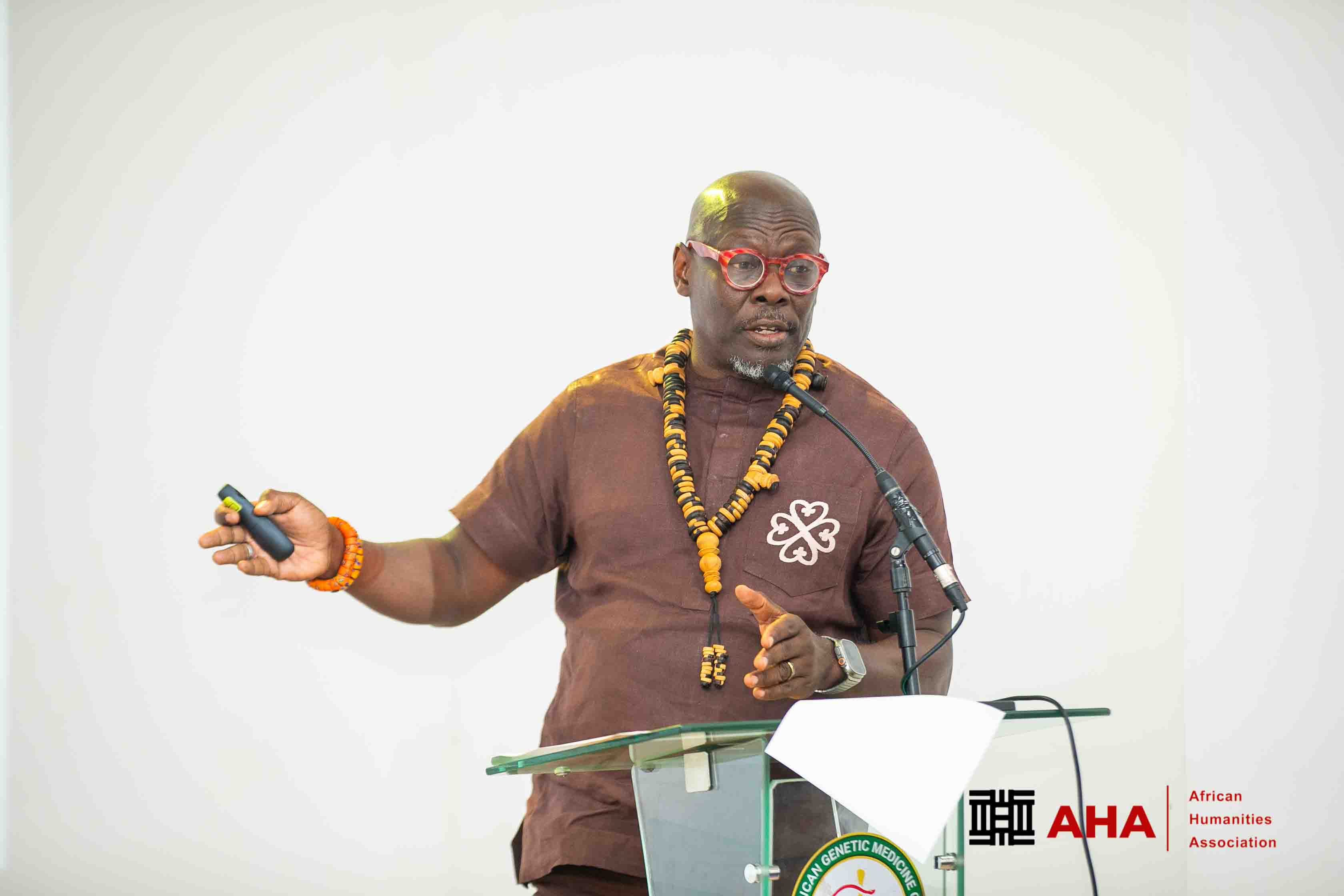
Prof. Quayson noted that to be truly interdisciplinary, scholars must master the protocols of proposition-making in each discipline they draw on. He observed that education systems often teach students to value texts and the opinions of authorities over the evidence of their own senses. In the African context, he said, interdisciplinarity may start from detailed description of the ordinary and the everyday. He cited examples such as asafo flags.
Beyond the opening ceremony, the conference featured paper presentations across parallel panels on themes such as the decolonisation of knowledge, memory and heritage, gender and justice, land and rural futures, language policy and the arts.
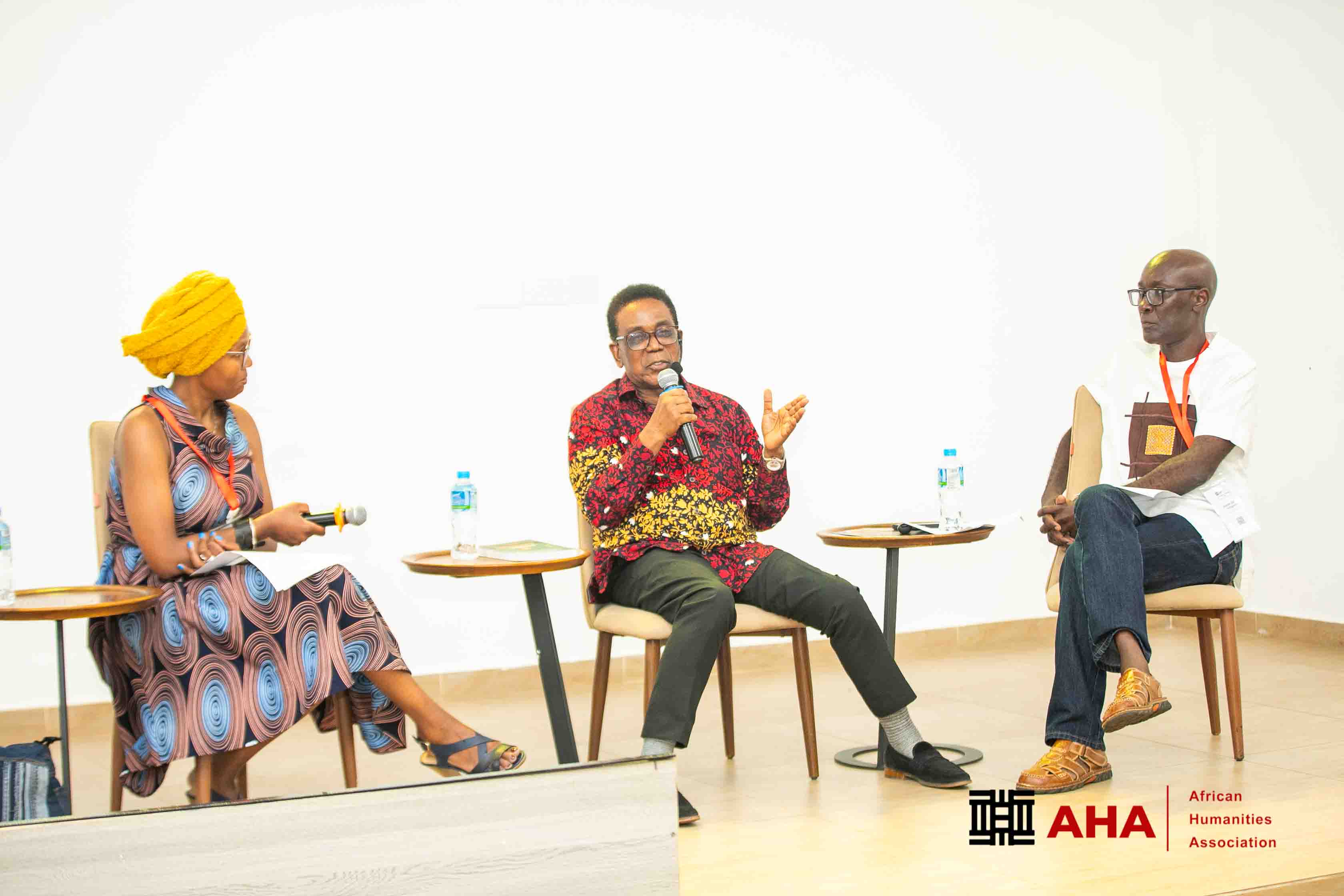
In a Time with the Sages session on the theme “Scholarship, Politics and the Everyday”, Emeritus Prof. Kwesi Yankah of Ashesi University shared his experiences as a scholar and public intellectual. The session was moderated by Prof. Grace Musila of the University of the Witwatersrand and Prof. Joseph Oduro Frimpong of Ashesi University.
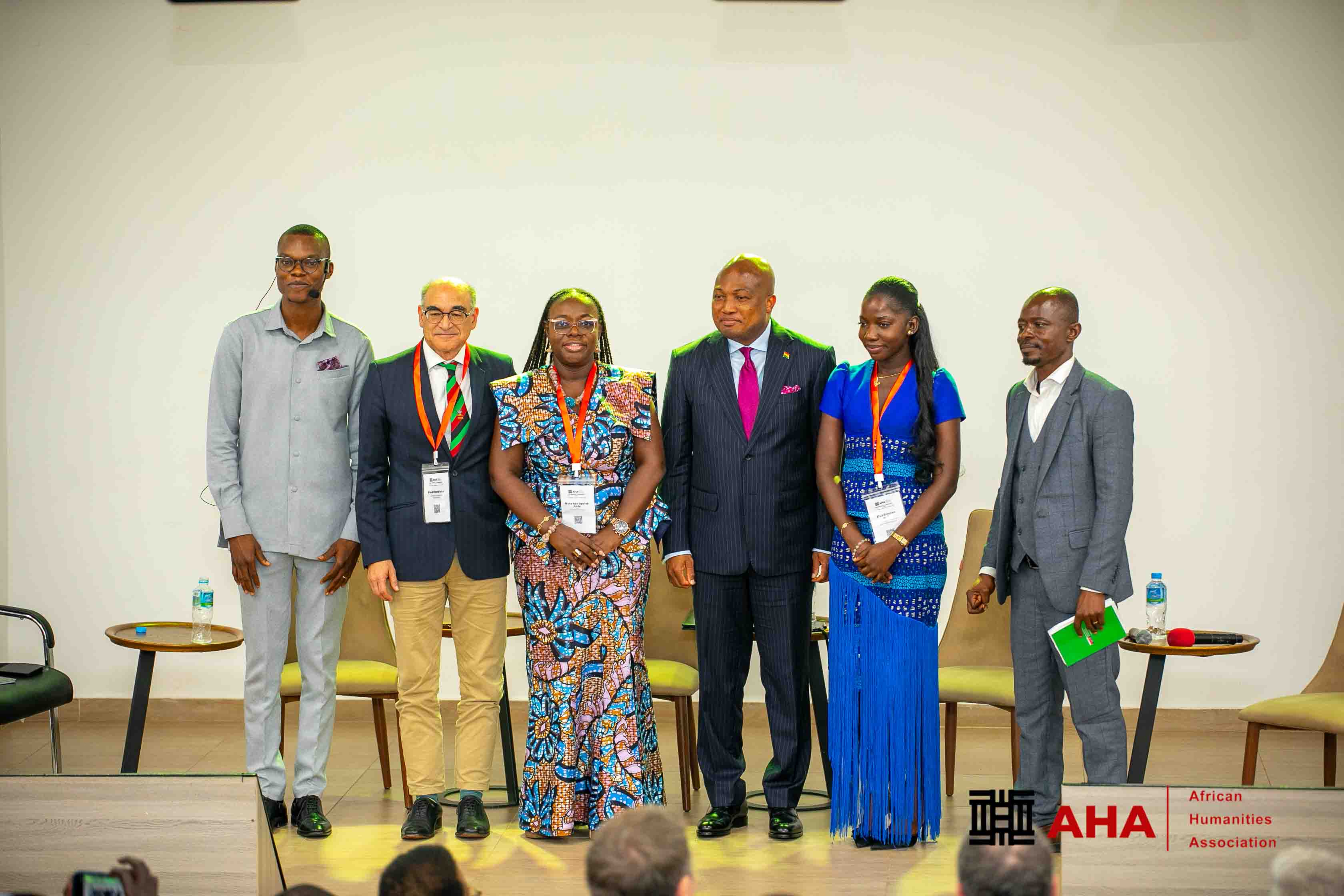
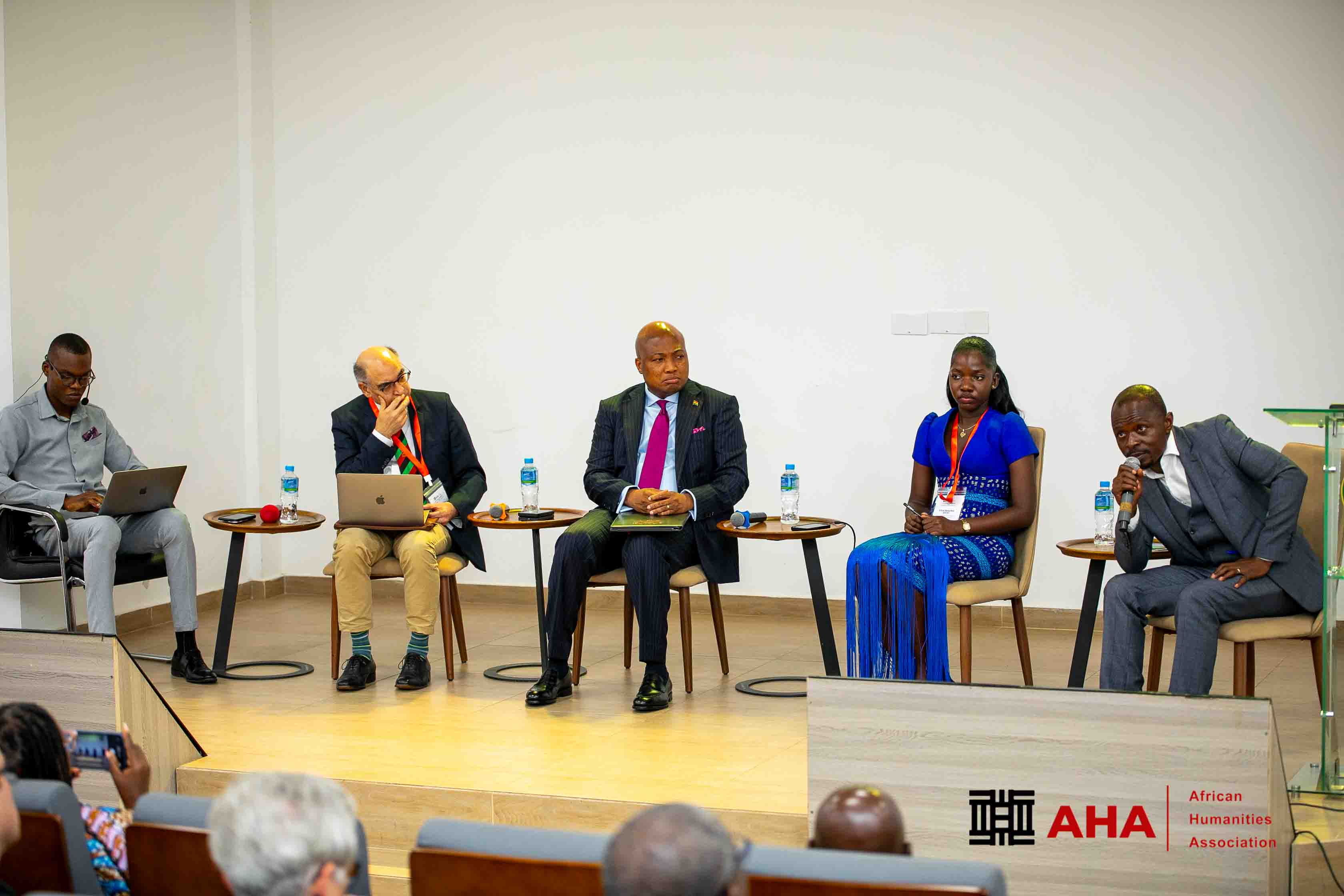
A special panel on the theme “Who Belongs? Xenophobia, Afrophobia and the Unfinished Project of African Solidarity” brought together the Minister for Foreign Affairs, Hon. Samuel Okudzeto Ablakwa, Emeritus Prof. Fred Hendricks of Rhodes University, Ms. Efua Benyiwa Amfo of Peking University and the London School of Economics and Mr. Emmanuel Akuoku, a Ghanaian returnee. The panel was moderated by Mr. Caleb Kudah of Citi FM.
On the final day, the musician and cultural advocate, Okyeame Kwame, engaged participants in a plenary on music, culture and conversation, moderated by Emerita Prof. Akosua Adomako Ampofo of the Centre for Gender Studies and Advocacy, UG. He called on universities and government ministries to offer scholarships to outstanding artistes. He proposed that the School of Performing Arts at UG offer the Artiste of the Year at the Ghana Music Awards a six-month diploma programme, irrespective of their prior education. “Rules are made to be broken, especially when we are talking about art,” he said.
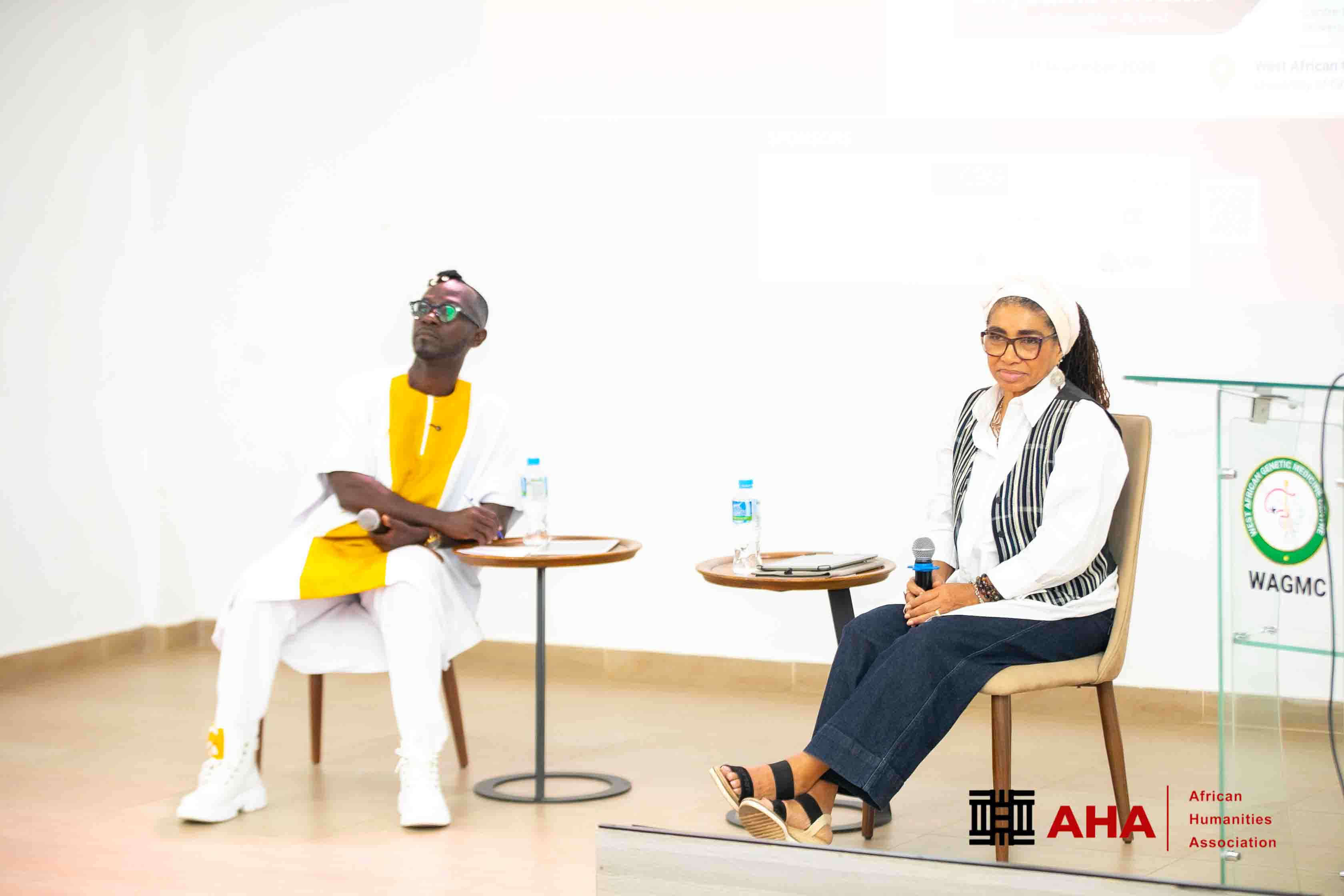
Okyeame Kwame also urged the Ministry of Tourism, Culture and Creative Arts to support musicians who draw on Ghanaian traditions in their work. He suggested that Ghana missions abroad each showcase a pop artiste who blends traditional elements into their music at Independence Day celebrations.
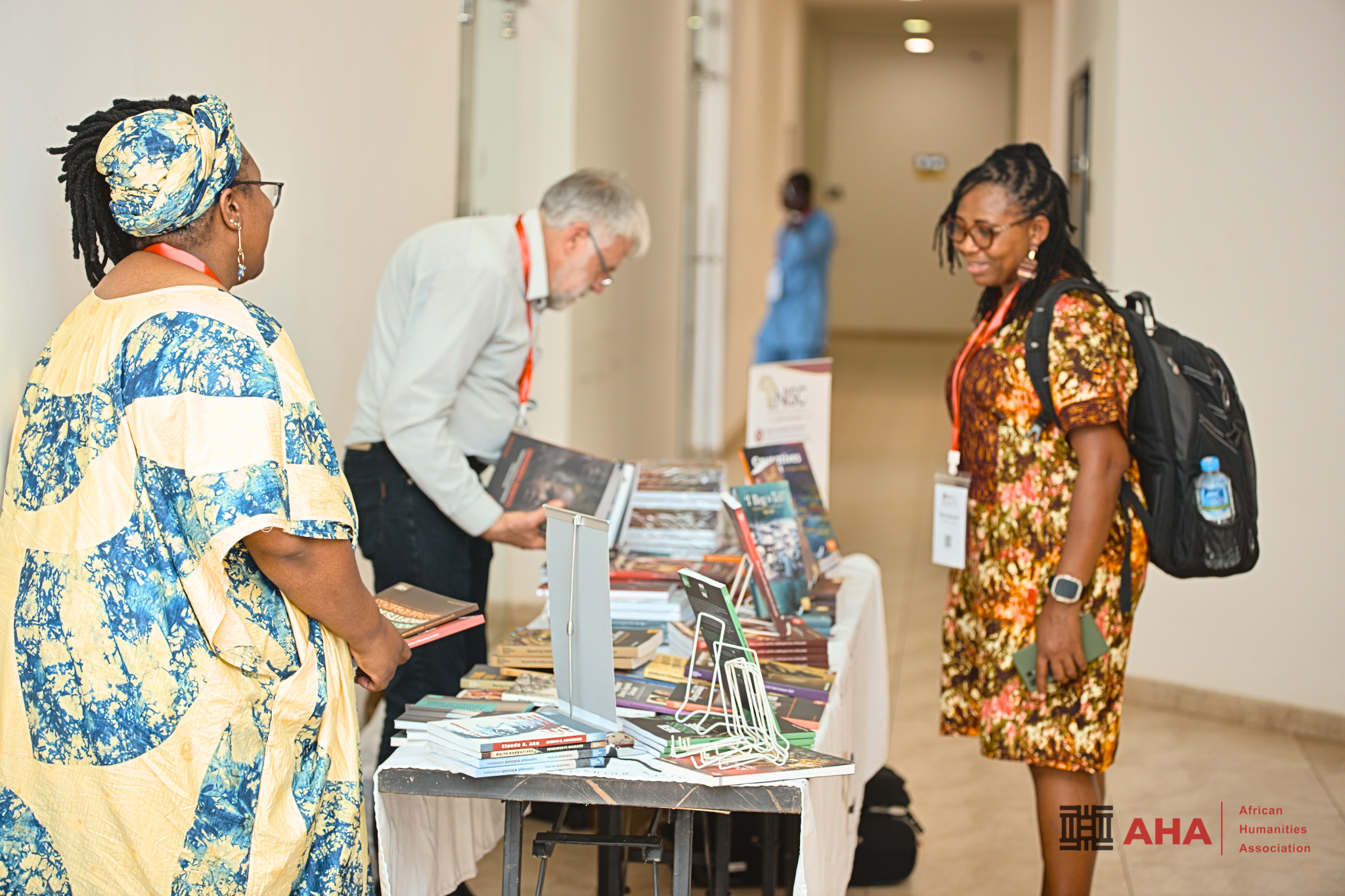
Other highlights included the launch of four books in the African Humanities Series, including Causatives in Kwa: An Intragenetic Typology by Prof. Reginald Akuoko Duah and The Linguistic Expression of Culture, Identity and Social Issues in Sub-Saharan Africa, edited by Prof. Nana Aba Appiah Amfo, Prof. Akin Odebunmi and Prof. Jemima Asabea Anderson. Participants also enjoyed a performance of The Slaves, written by Mohammed ben Abdallah, at the Efua Sutherland Drama Studio, as well as a screening of the play African Mean Girls.
The new executive committee of the Association was also outdoored at the conference, with UG Vice-Chancellor Prof. Nana Aba Appiah Amfo, retaining her position as President.
The Local Organising Committee was chaired by Prof. Awo Mana Asiedu, with the AHA Secretariat coordinated by Prof. Jemima Asabea Anderson.