Climate Change Now a Public Health Emergency, Experts Warn at UG Conference, Push for Urgent Action on Health Systems, Research and Policy Response
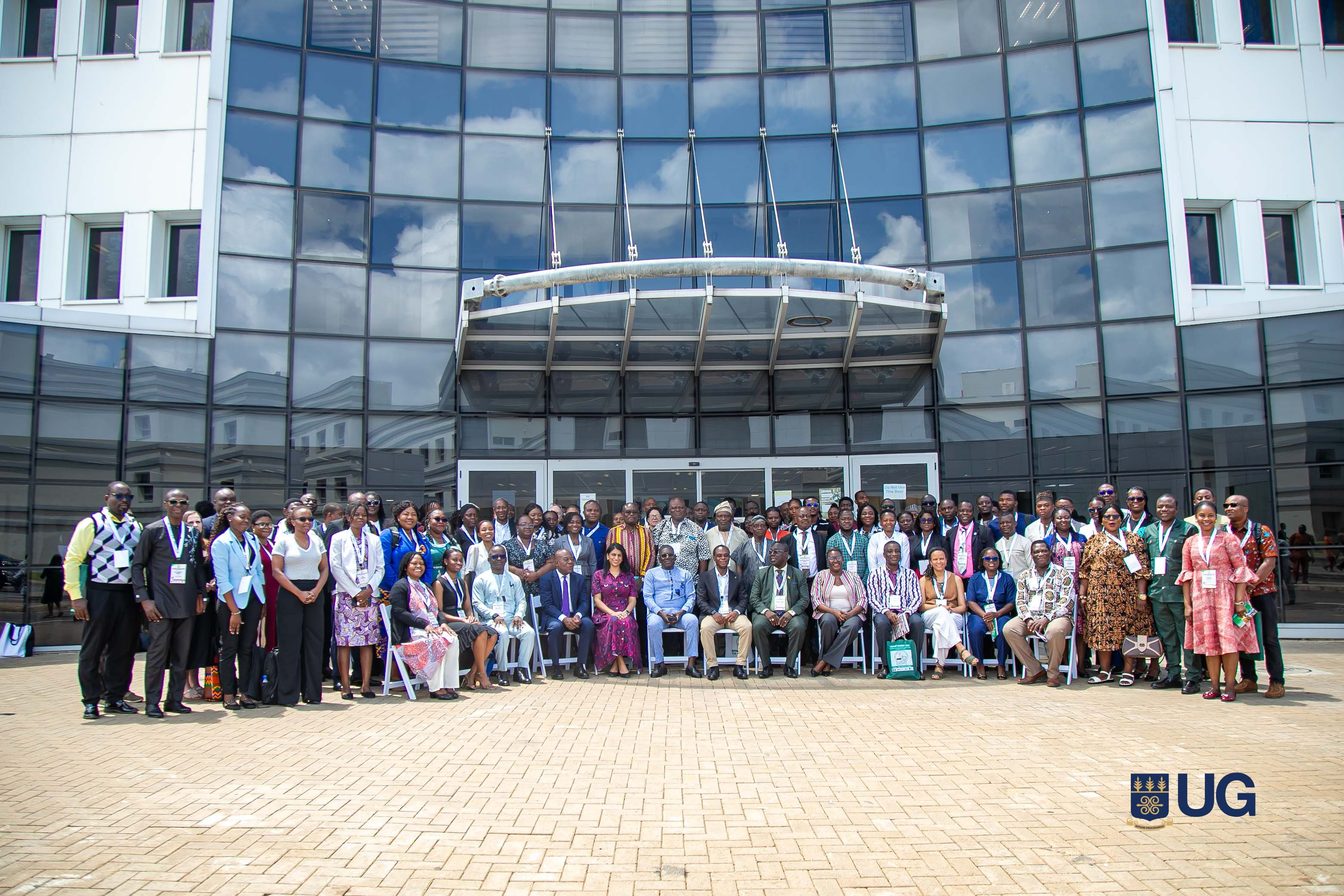
The 8th International Climate Change and Population Conference on Africa at the University of Ghana has underscored the growing urgency of climate change as a public health emergency, with experts warning that its impacts are already reshaping health systems, livelihoods and population dynamics across the continent.
Participants cautioned that climate-related risks are increasingly driving food insecurity, disease outbreaks, displacement and widening inequalities and pushed for urgent investment in research, stronger cross-sector collaboration and the strengthening of health systems to better respond to the escalating climate crisis.
The three-day conference was hosted under the theme “Our Health in Peril” by the Regional Institute for Population Studies (RIPS) in partnership with the Lancet Countdown in Africa on Climate and Health, the Standards for Official Statistics on Climate-Health Interactions (SOSCHI) initiative and the University of Ghana Medical Centre.
In opening remarks delivered on her behalf by Prof. Samuel Nii Ardey Codjoe, Provost of the College of Education, the Vice-Chancellor of the University of Ghana, Prof. Nana Aba Appiah Amfo, reaffirmed the University’s commitment to advancing research-driven solutions to complex global challenges and noted that climate change continues to intersect with population dynamics, health systems and broader development processes, requiring stronger multidisciplinary collaboration and partnerships across sectors.
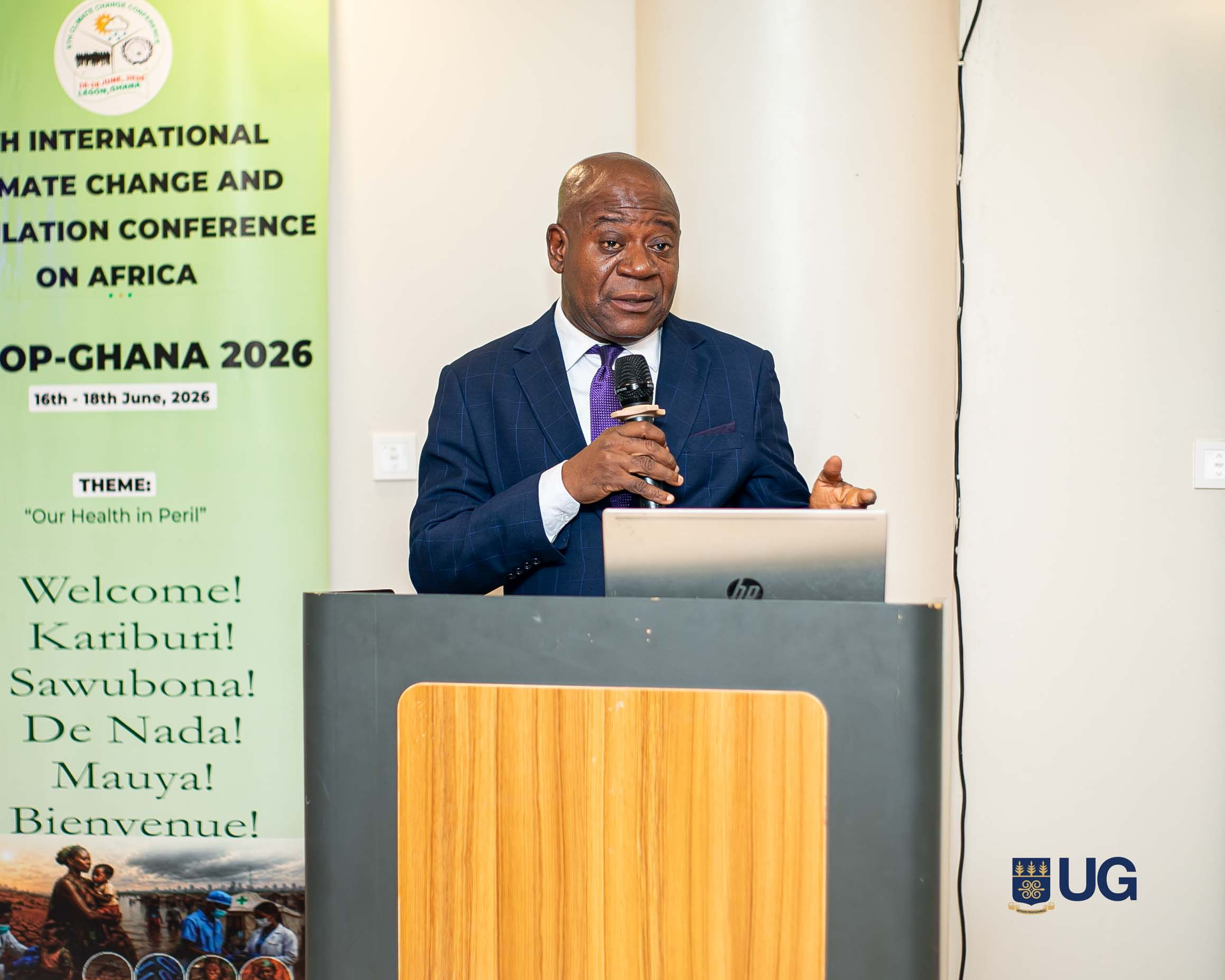
She emphasised that addressing these interconnected challenges demands sustained evidence generation and policy-relevant research that can support national and continental development priorities, particularly in the areas of health resilience and sustainable development.
In a speech delivered on his behalf, the Minister for Health, Hon. Kwabena Mintah Akandoh, described climate change as a direct and escalating public health emergency, warning that it is already placing significant strain on health systems across Africa.
He stated that climate change is no longer only an environmental concern but a pressing health threat affecting air quality, water safety, food systems, disease patterns and the resilience of health infrastructure, noting that rising temperatures, shifting rainfall patterns and extreme weather events are intensifying vulnerabilities, particularly among already at-risk populations.
The Minister called for stronger integration of climate considerations into health planning, surveillance systems and national policy frameworks, stressing that effective responses must be rooted in cross-sector collaboration and evidence-based decision-making.
The Director of the Regional Institute for Population Studies (RIPS), Prof. Mumuni Abu, also highlighted the urgency of strengthening climate-health research and data systems, noting that Africa is facing increasingly complex and interconnected challenges that link climate change with population dynamics, migration, livelihoods and health outcomes.
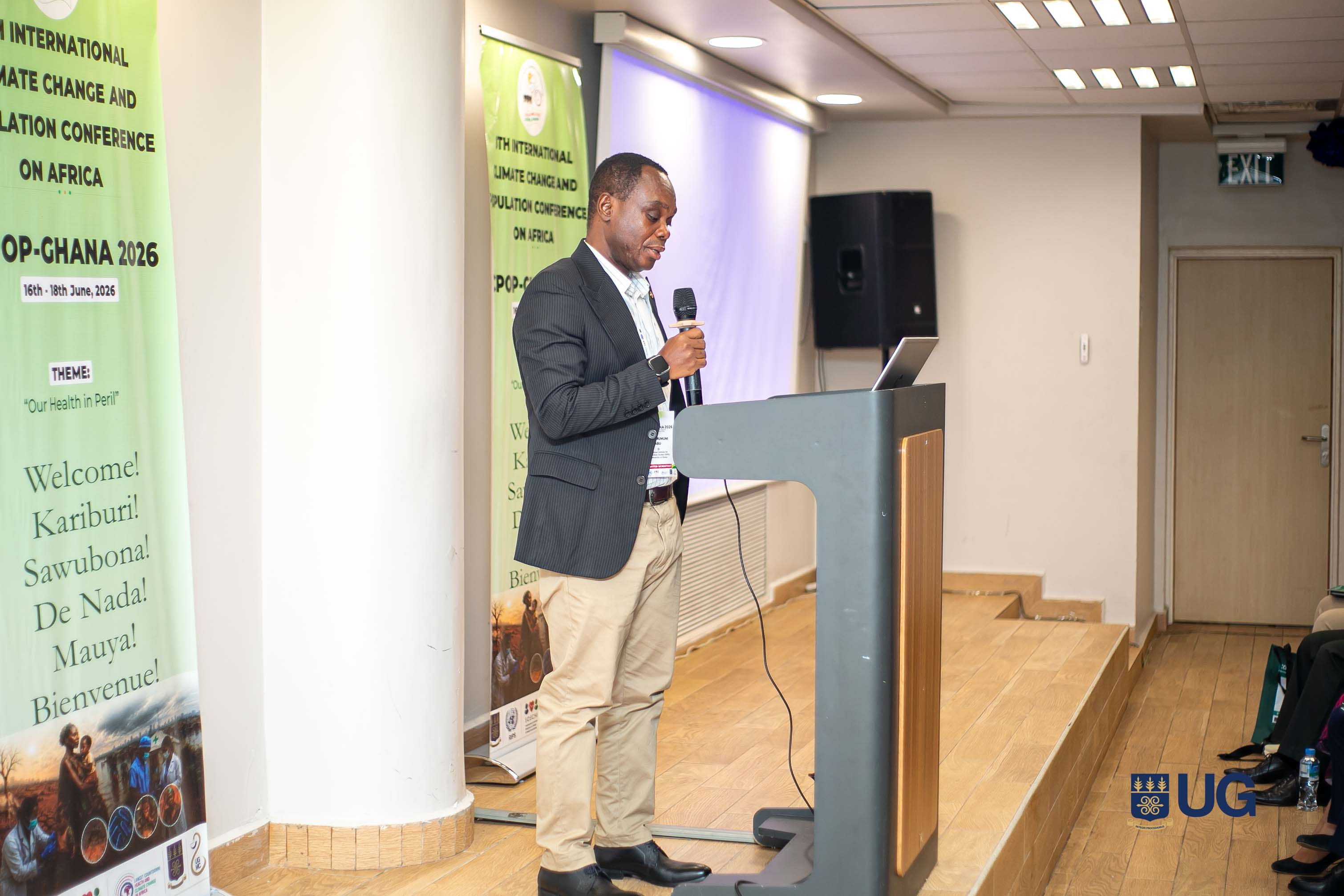
He stressed that addressing these challenges require robust evidence systems and stronger institutional collaboration to support adaptation and resilience planning across sectors.
A key plenary session chaired by Prof. Victor Mogre of the University for Development Studies examined “Implications of Climate Change on Health in Africa: The Role of Data for Planning Adaptation and Resilience” and featured presentations from leading global experts.
These included Guéladio Cissé and the Lancet Countdown author group on climate-related health hazards and impacts; Pascalia Ozida Munyewende on adaptation and resilience metrics; Mark Tomlinson and Prof. Mogre on mitigation co-benefits; Olufunke Aduke Alaba and Maxwell Mudhara on climate-health economics and finance; Elizabeth Wambui Kimani-Murage and Alice Ruguru Karanja on public engagement and Bonang Lewis of the UK Office for National Statistics on international frameworks for climate-health statistics.
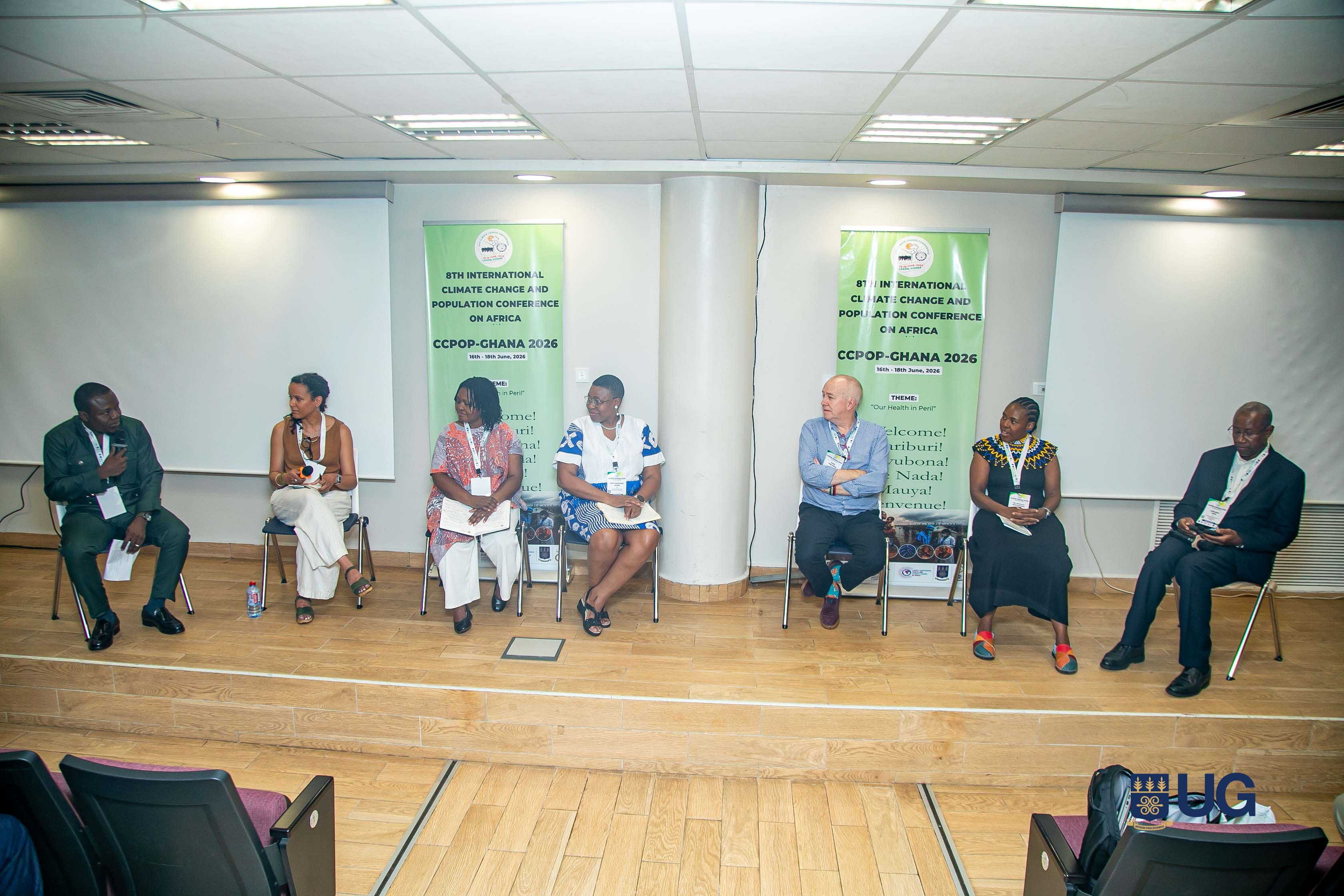
Speakers collectively emphasised the importance of standardised data systems, including the SOSCHI framework, to support global monitoring and inform evidence-based climate-health policy.
Goodwill messages were delivered by Prof. Tafadzwa Mabhaudhi of the London School of Hygiene and Tropical Medicine, Ms. Samina Bhatia, Acting Development Director at the British High Commission in Ghana and the Director-General of the Ghana Health Service, Prof. Samuel Kaba Akoriyea, who all underscored the importance of stronger partnerships, improved data systems and coordinated action to build climate-resilient health systems across Africa.
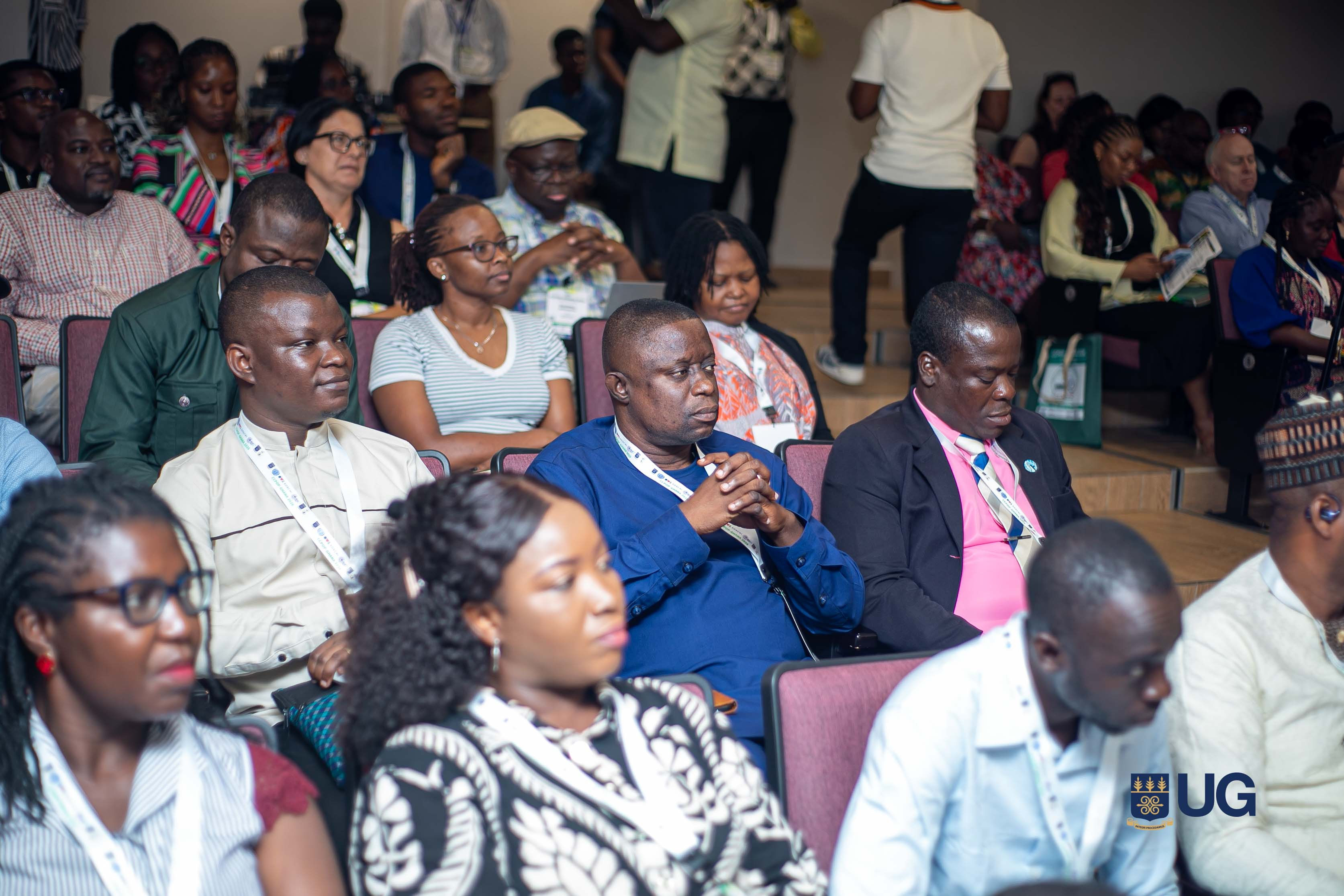
Across the conference, participants drawn from researchers, policymakers, development partners and practitioners across Africa and beyond stressed that climate change is already driving food insecurity, disease outbreaks, displacement and widening inequalities across the continent, with calls for urgent investment in research, cross-sector collaboration and strengthened health systems capable of responding to the growing climate crisis.
Reports and policy recommendations emerging from the conference are expected to be consolidated and presented to relevant national and international stakeholders to guide evidence-based policymaking, strengthen climate and health policy frameworks and inform the design of more resilient and adaptive health systems across Africa and beyond.