New Sample Reception Centre Commissioned at NMIMR to Strengthen Disease Surveillance and Public Health Response
A new Sample Reception Centre has been commissioned at the Noguchi Memorial Institute for Medical Research (NMIMR) to reinforce Ghana’s capacity in disease surveillance, outbreak detection and laboratory coordination.
The facility is designed to serve as a central hub for the secure receipt, documentation, storage and transfer of clinical and environmental samples, processes that are essential to safeguarding sample integrity, preventing contamination and enabling timely laboratory analysis for accurate diagnosis and rapid outbreak response.
It is also expected to strengthen early warning systems, support epidemiological investigations by boosting the chain of custody for specimens and improve coordination between health facilities and reference laboratories.
The project was funded through a collaboration between the World Health Organisation (WHO) and the Bill & Melinda Gates Foundation at a cost of $190,000, with additional support from the Rotary Club in Ghana. The Centre is equipped with modern biosafety systems and infrastructure, aligned with international standards for specimen management.
Addressing officials at a brief ceremony to mark the official opening and handover of the facility, the Director of NMIMR, Prof. Dorothy Yeboah-Manu, described the Centre as a significant addition that will enhance the quality of the Institute’s operations. She noted that the facility advances the Institute’s mandate to strengthen public health interventions in Ghana and across Africa.
Prof. Yeboah-Manu explained that the reception centre was awarded to the Institute by WHO in 2022 following a series of engagements, underscoring Noguchi’s role in global health security, particularly in safeguarding specimens and supporting disease surveillance networks.
The Provost of the College of Health Sciences, Prof. Alfred Edwin Yawson, commended the partnerships that led to the construction of the facility. He conveyed the appreciation of the Vice-Chancellor and University Management to the partners, stating that the investment aligns with the University’s commitment to impactful research, strategic engagement and health systems strengthening.
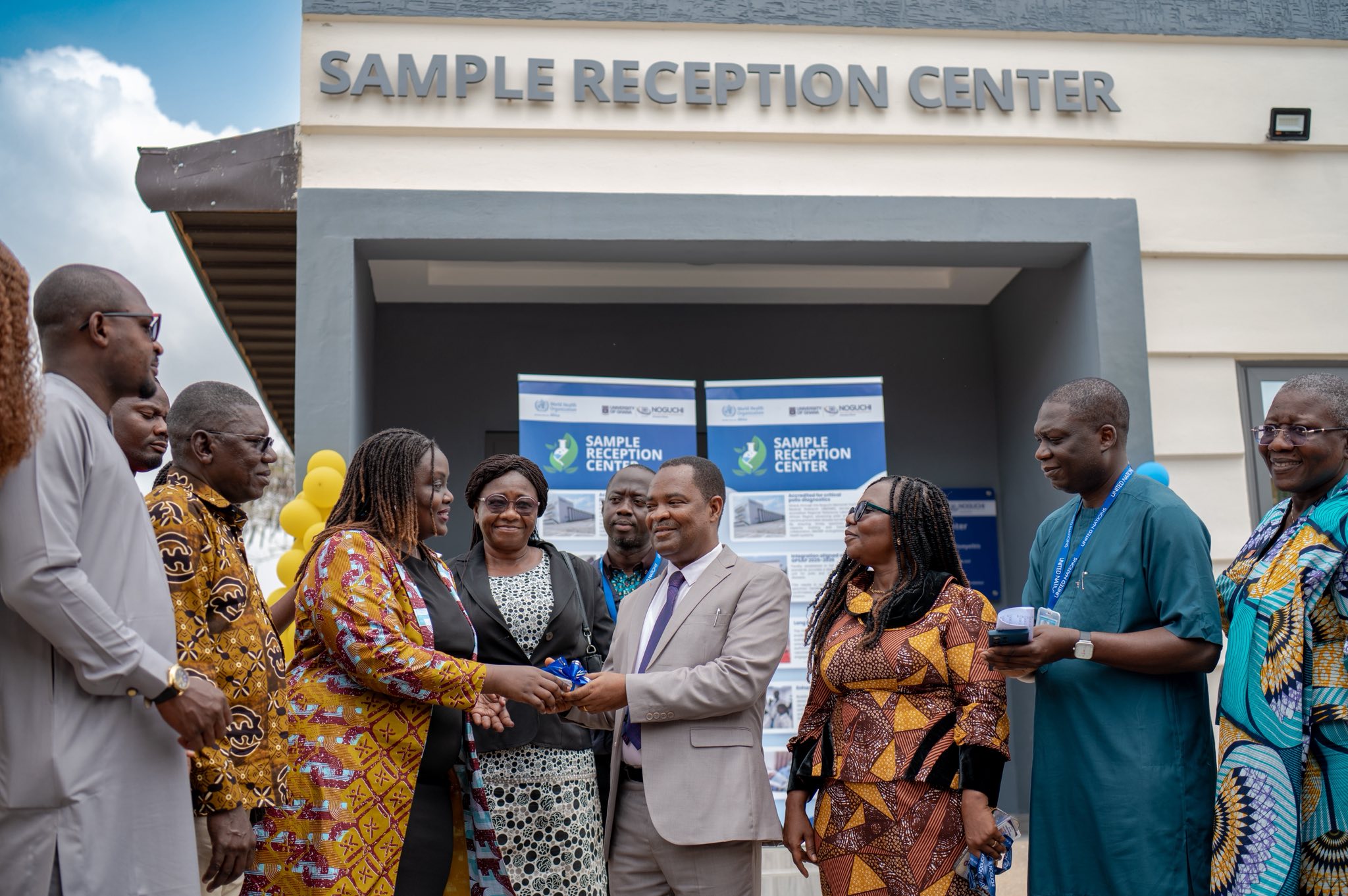
In receiving the keys to the facility on behalf of the Vice-Chancellor, Prof. Yawson assured that the Centre would be properly maintained to ensure its longevity and sustained contribution to research and public health delivery.
In a message delivered on his behalf, the Minister of Health, Hon. Kwabena Mintah Akandoh, described the facility as a boost to Ghana’s preparedness and health response systems. He said strengthened specimen management infrastructure is essential for effective outbreak containment and improved delivery of health support services.
He expressed appreciation to the World Health Organisation and all partners for their financial and technical support in establishing the facility, noting that such collaborations are critical to strengthening the country’s public health infrastructure.
The Minister assured that the Ministry would work to sustain and integrate the facility into national health systems to ensure its long-term functionality and impact. He said the Ministry remains committed to supporting initiatives that enhance laboratory capacity, disease surveillance and emergency preparedness across the country.
Dr. Fiona Braka, WHO Country Representative, said the facility represents a collective effort to reinforce resilient health systems. She noted that it will enhance the safe handling and processing of samples from Ghana and other regions under high standards of quality and biosafety.
Dr. Braka also pledged WHO’s continued support to the Institute, describing it as a vital partner in advancing public health objectives in the sub-region.
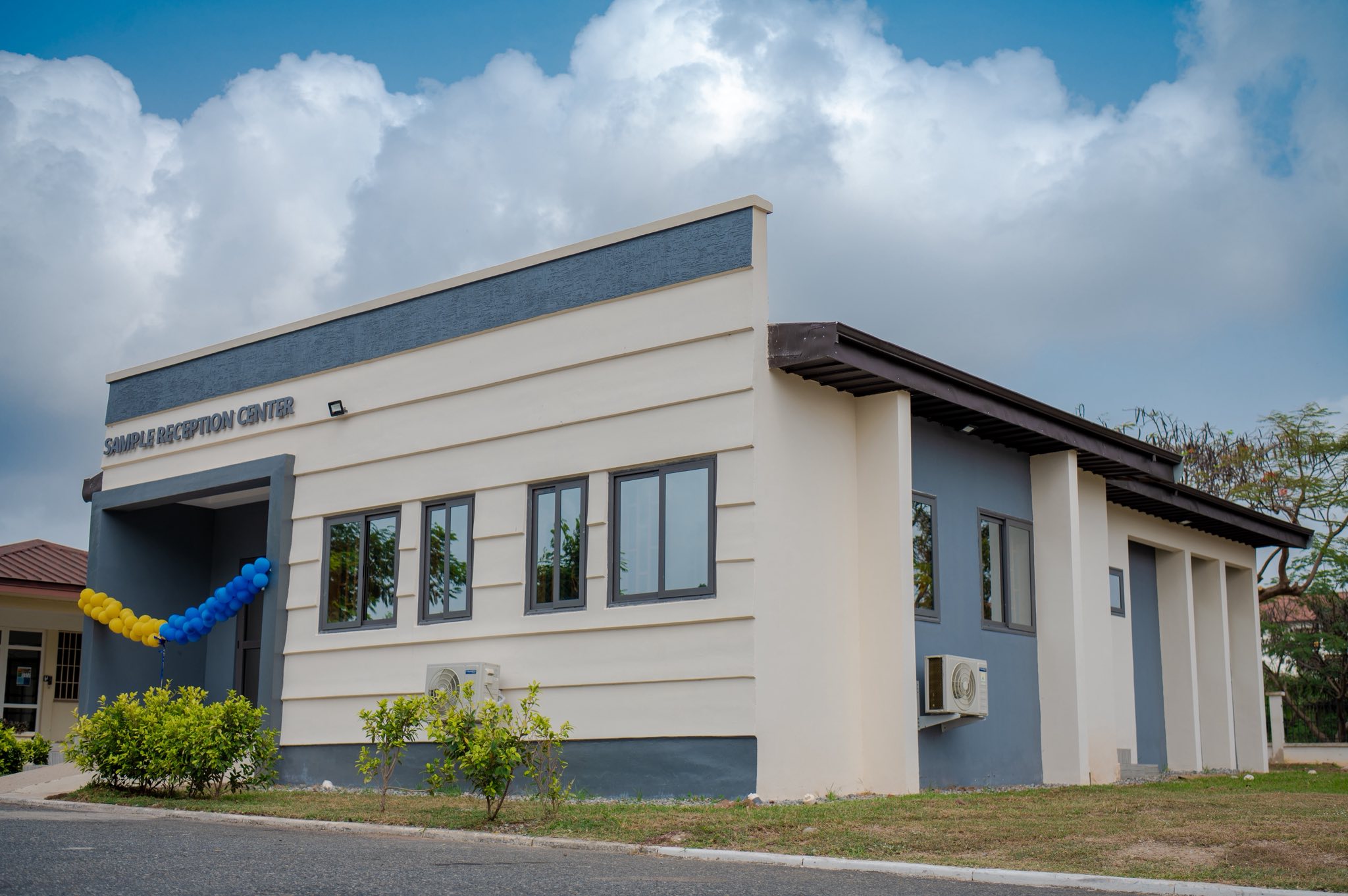
The Centre comprises a waiting area and five specialised sample rooms fitted with appropriate equipment to support safe and efficient specimen handling and also enable NMIMR to play an even stronger role in national and regional disease control efforts.
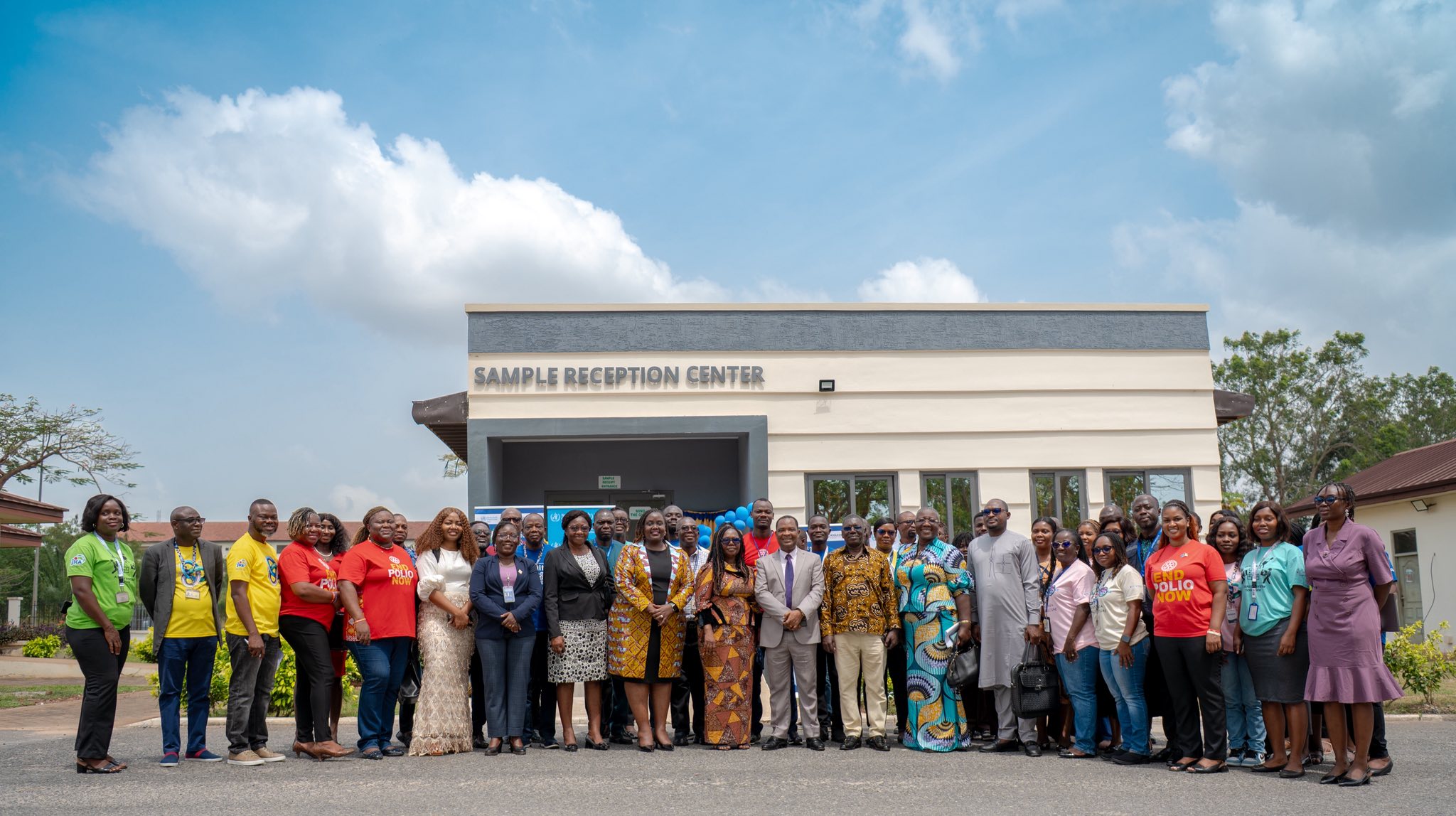
The commissioning event was attended by officials from the WHO Country Office, the Ministry of Health, the Ghana Health Service, the University of Ghana, the Rotary Club and staff of the Institute.