UG and NACOC Commit to Jointly Combat Drug Abuse Among the Youth
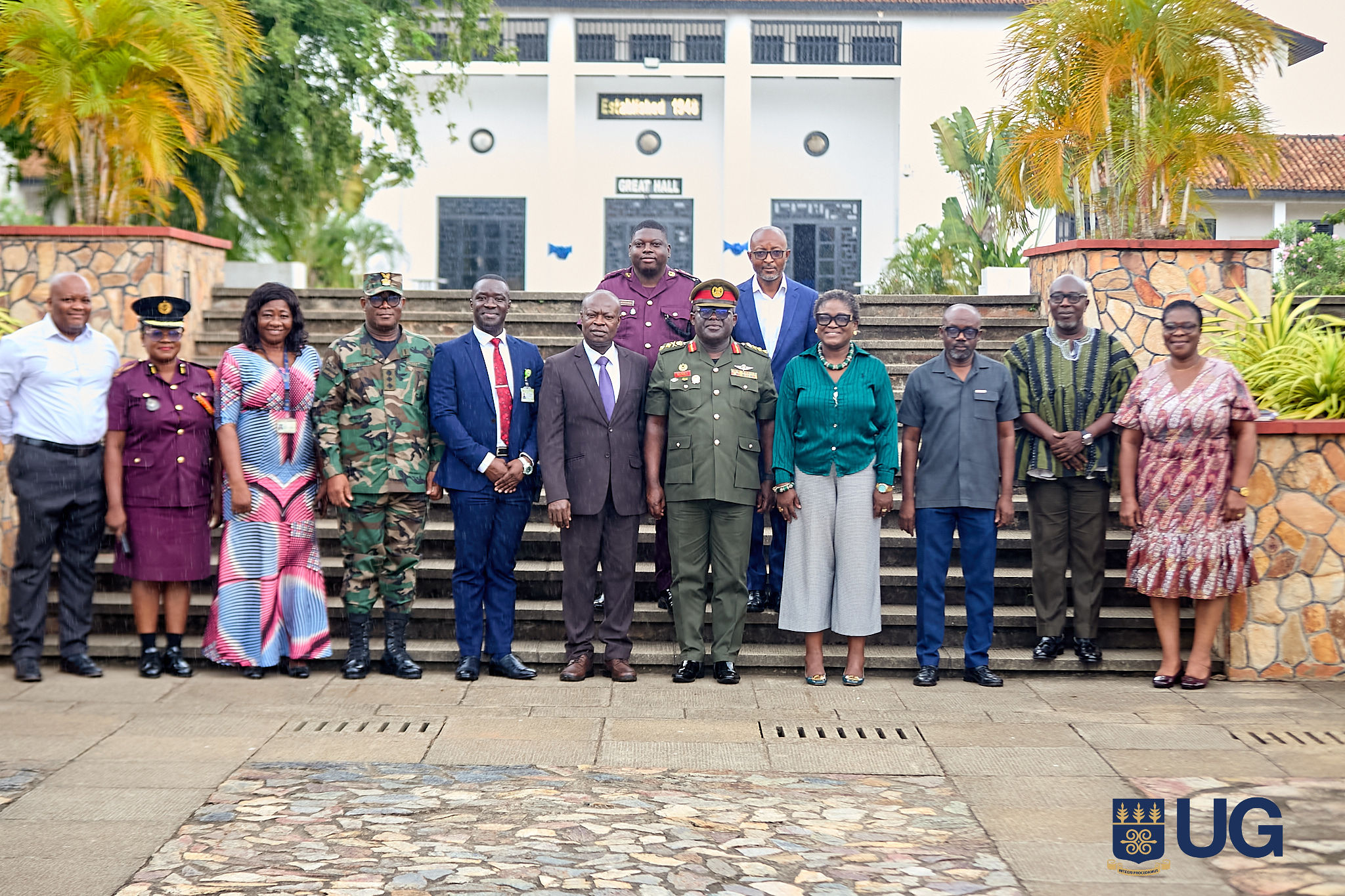
The University of Ghana (UG) and the Narcotics Control Commission (NACOC) have strengthened their collaboration to the fight against drug abuse and illicit drug trafficking among the youth.
The commitment was made when a NACOC delegation, led by its Director-General, Major-General Maxwell Obuba Mantey, paid a working visit to the University to explore areas of collaboration in addressing the growing concern over drug use among young people.
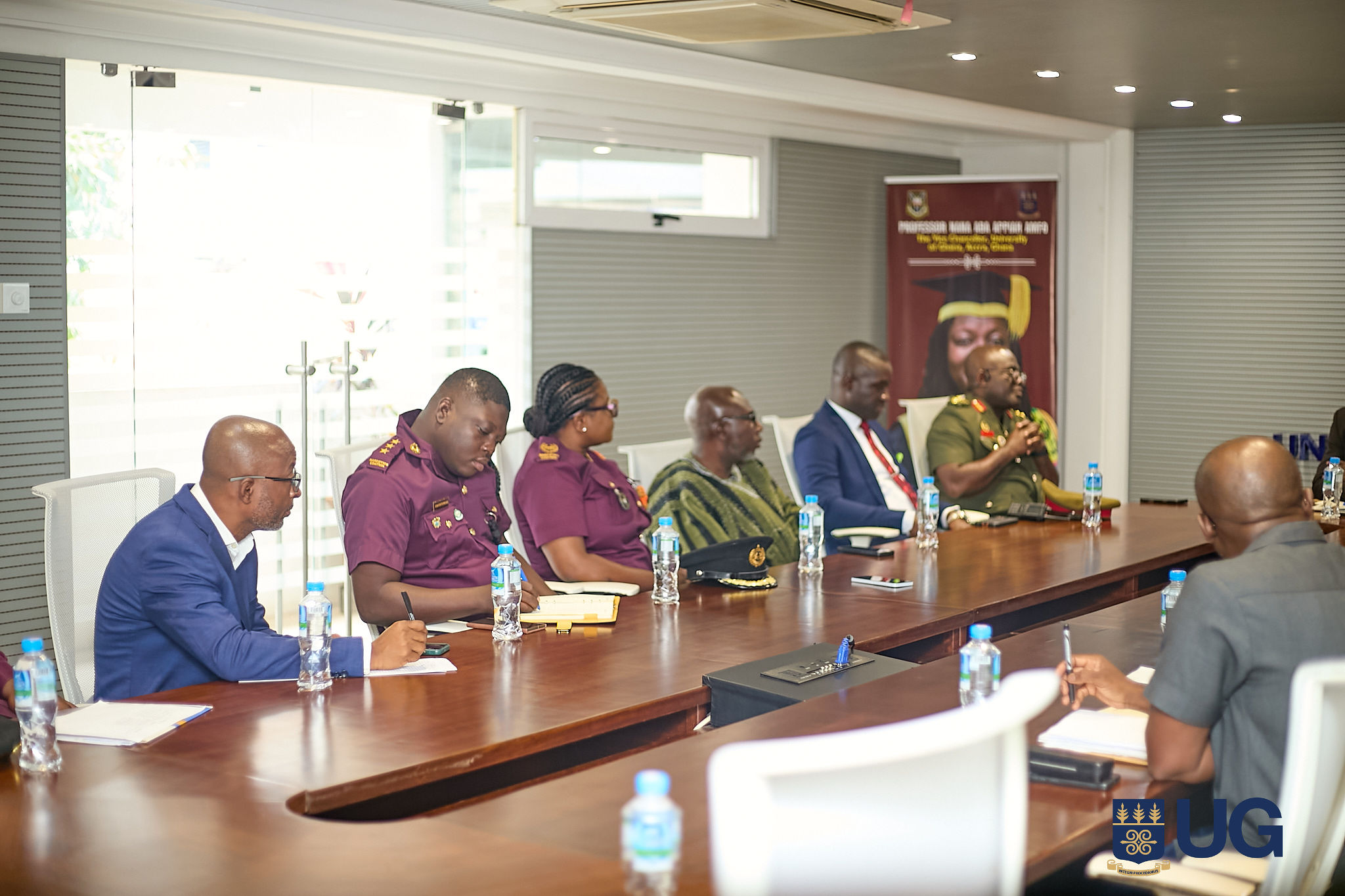
Delivering remarks, Major-General Mantey said the Commission’s engagement with the University formed part of its broader efforts to address the rising incidence of drug abuse and trafficking, particularly among the youth. He noted that university campuses had increasingly become areas of concern and stressed that tackling the problem required more than enforcement. He also raised concerns about the sale of drug-infused food and beverages, especially during hall week celebrations in Universities nationwide.
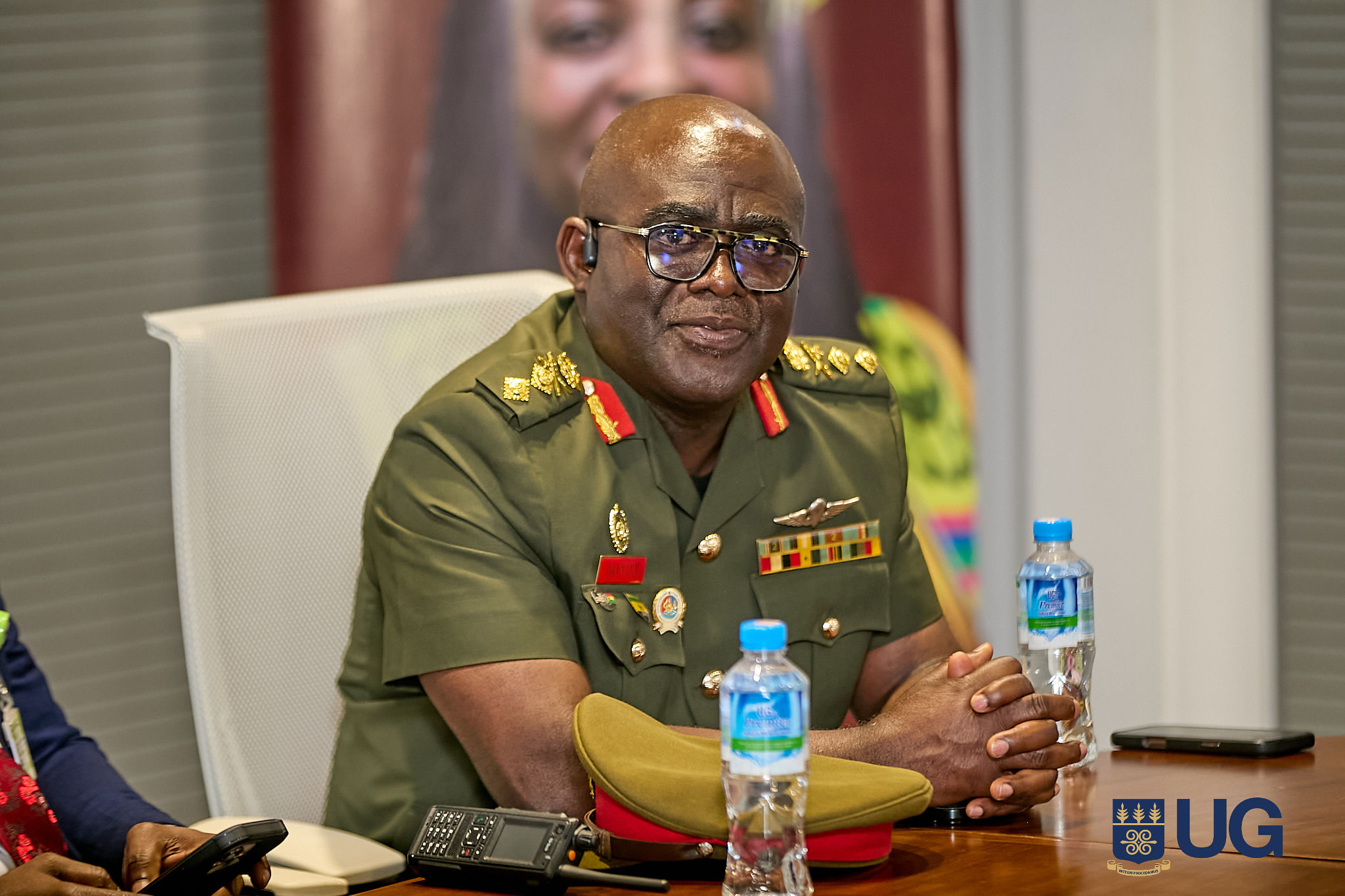
He stressed the need for a comprehensive approach to tackling drug abuse, involving education, counselling, rehabilitation and enforcement.
The Deputy Director-General in charge of Enforcement, Control and Elimination, Alexander Twum Barimah Esq., explained that NACOC’s enforcement efforts focus on identifying and dismantling the sources of illicit drugs through intelligence-led operations.
He cautioned against the sale of cannabis and other illicit substances on university campuses, particularly through shops and student activities and said persons engaged in such activities should be prepared to face enforcement action.
Receiving the delegation, the Registrar, Mr. Michael Opare Atuah welcomed the initiative and reaffirmed UG’s commitment to working with NACOC. He noted that the University had already introduced measures to make the campus a no-go area for drugs, with the Office of the Dean of Student Affairs as well as the Safety and Security Services and the Careers and Counselling Directorates playing key roles in addressing the issue.
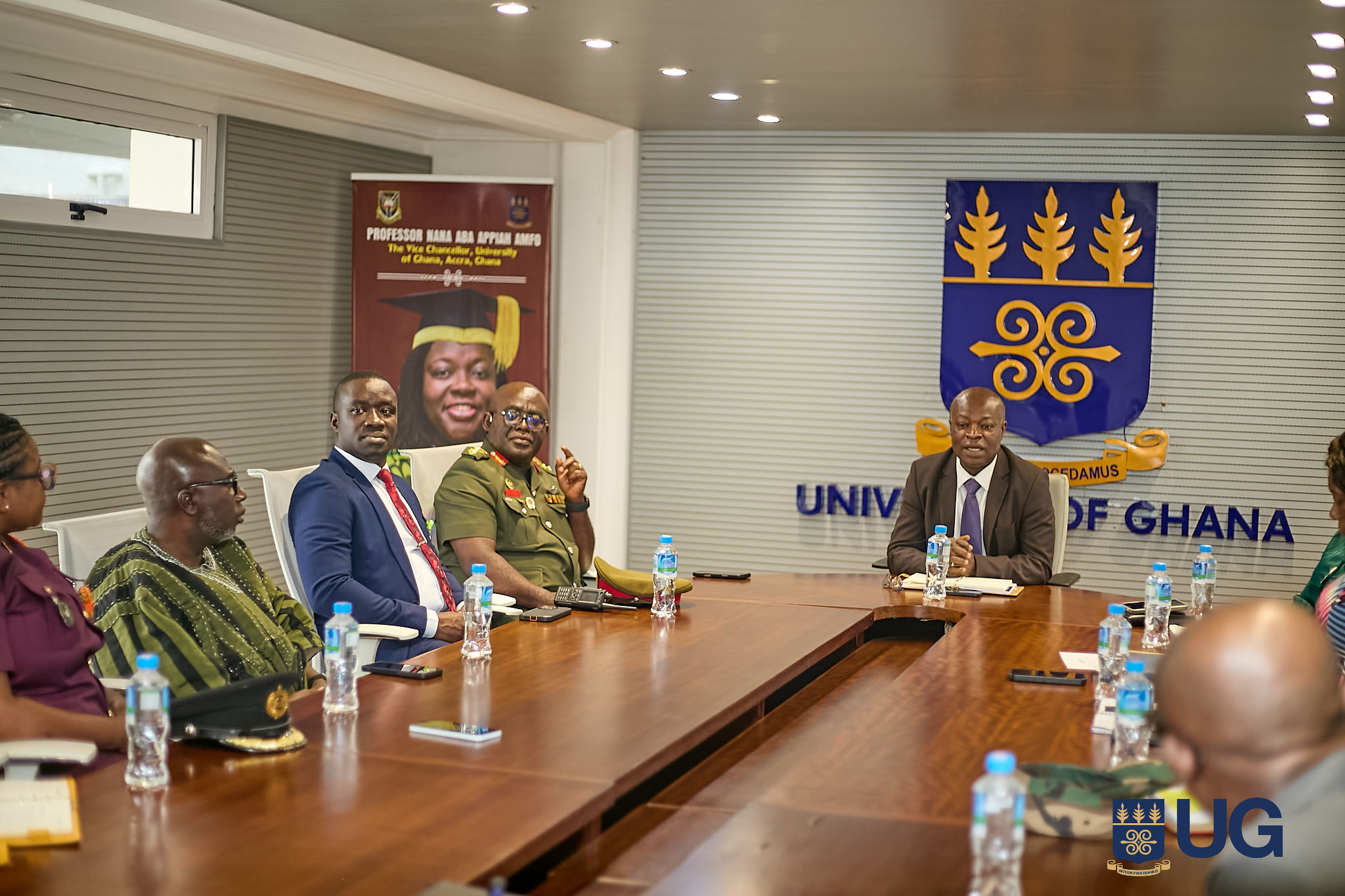
He cited the successful launch of the ‘UG Says No to Drugs’ campaign, which signals the University’s firm commitment to student health, safety and academic success.
The Dean of Student Affairs, Prof. Rosina Kyerematen, highlighted the University’s disciplinary measures against students involved in drug peddling, while noting that students who require assistance are being referred for counselling and support.
The Director of the Careers and Counselling Directorate, Rev. Dr. Bridget Ben-Naimah, highlighted the Directorate’s continuous awareness-creation efforts through social media and other platforms and also programmes at student halls and departments. She added that the Directorate also provides counselling, psychosocial support and rehabilitation services to students struggling with substance use.
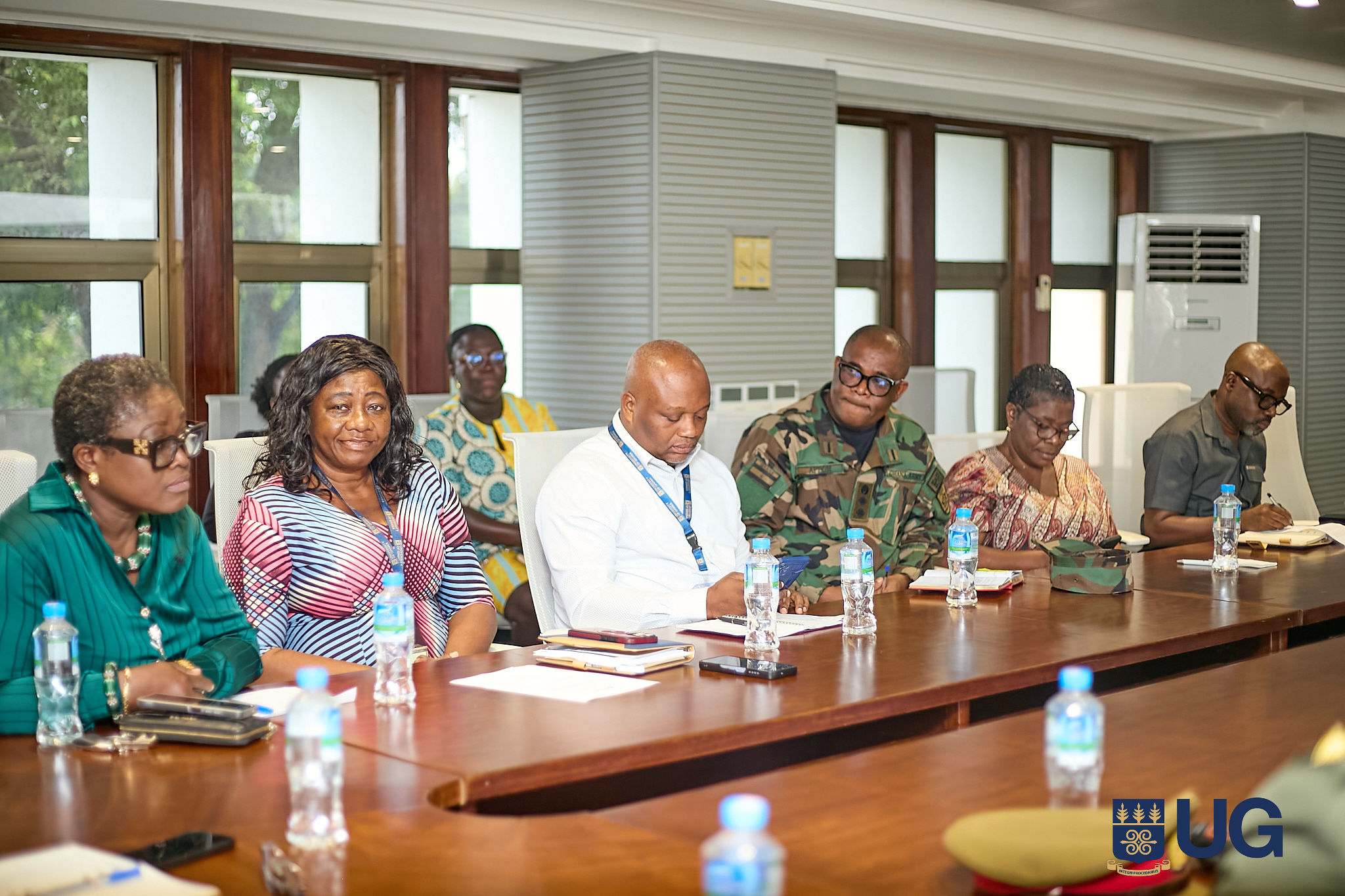
On his part, the Director of the Safety and Security Services Directorate, Dr. Isaac Amoabeng, expressed the University’s readiness to work closely with NACOC on intelligence-led operations to address such activities and enhance security on campus.
Acting Director of the Physical Development and Municipal Services Directorate, Colonel Maxwell Apo, indicated that the University could revoke permits and close down shops found to be operating contrary to the conditions of their authorisation.
In delivering brief remarks, the Dean of the School of Physical and Mathematical Sciences, Professor Kwabena Doku-Amponsah, proposed greater use of the University’s academic and scientific expertise to support NACOC, particularly through data analysis, research, awareness creation and scientific approaches to understanding and addressing drug-related challenges. He added that the Department of Chemistry’s Drug Discovery lab could also be utilised to support the Commission’s work.
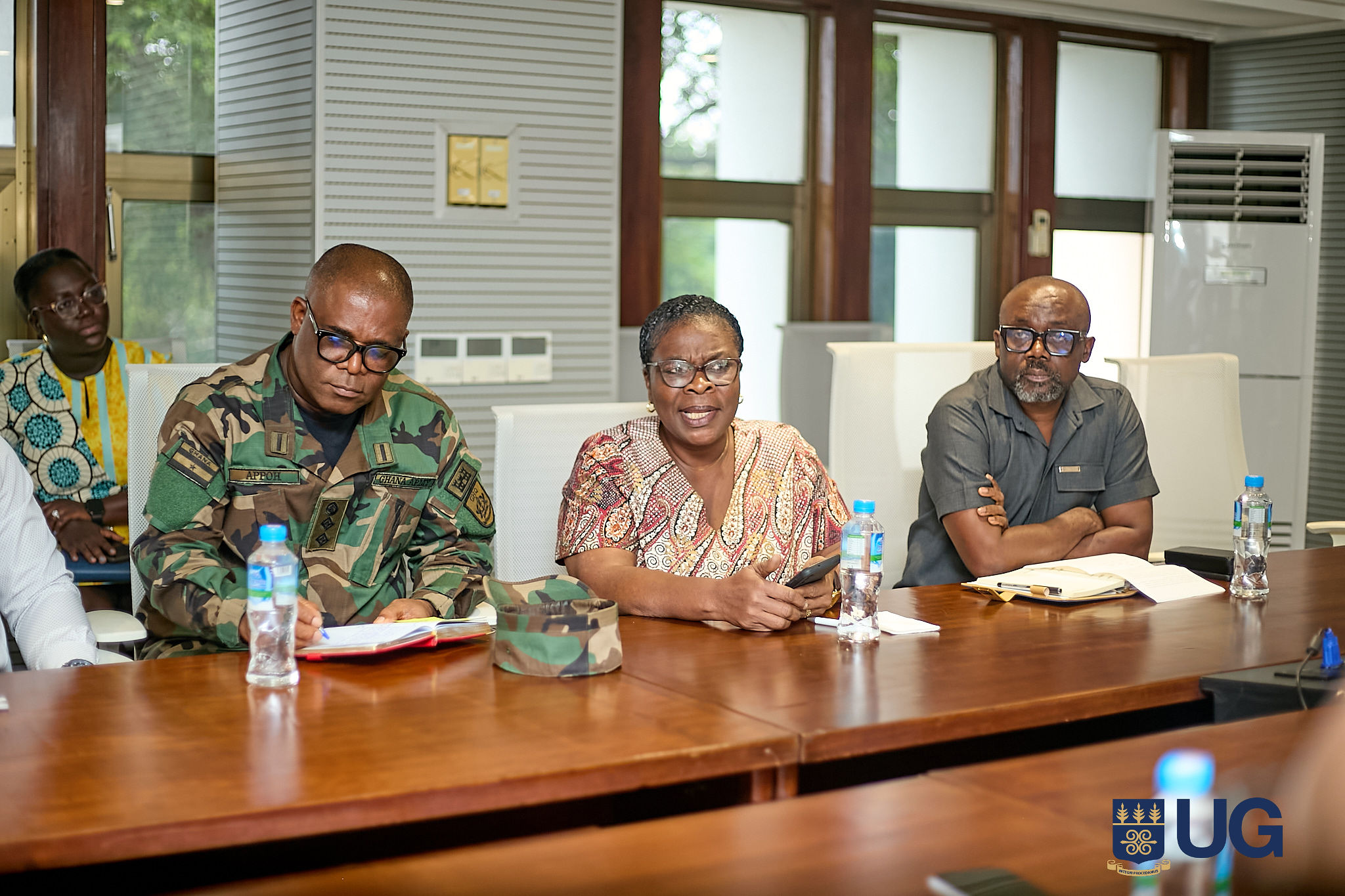
The meeting also considered a proposal for drug testing as part of students’ medical examinations upon admission, with emphasis on early identification, counselling and rehabilitation.